
Last updated November 25, 2026
 Sweep & inspection
 Caps & crowns
 Flue relining
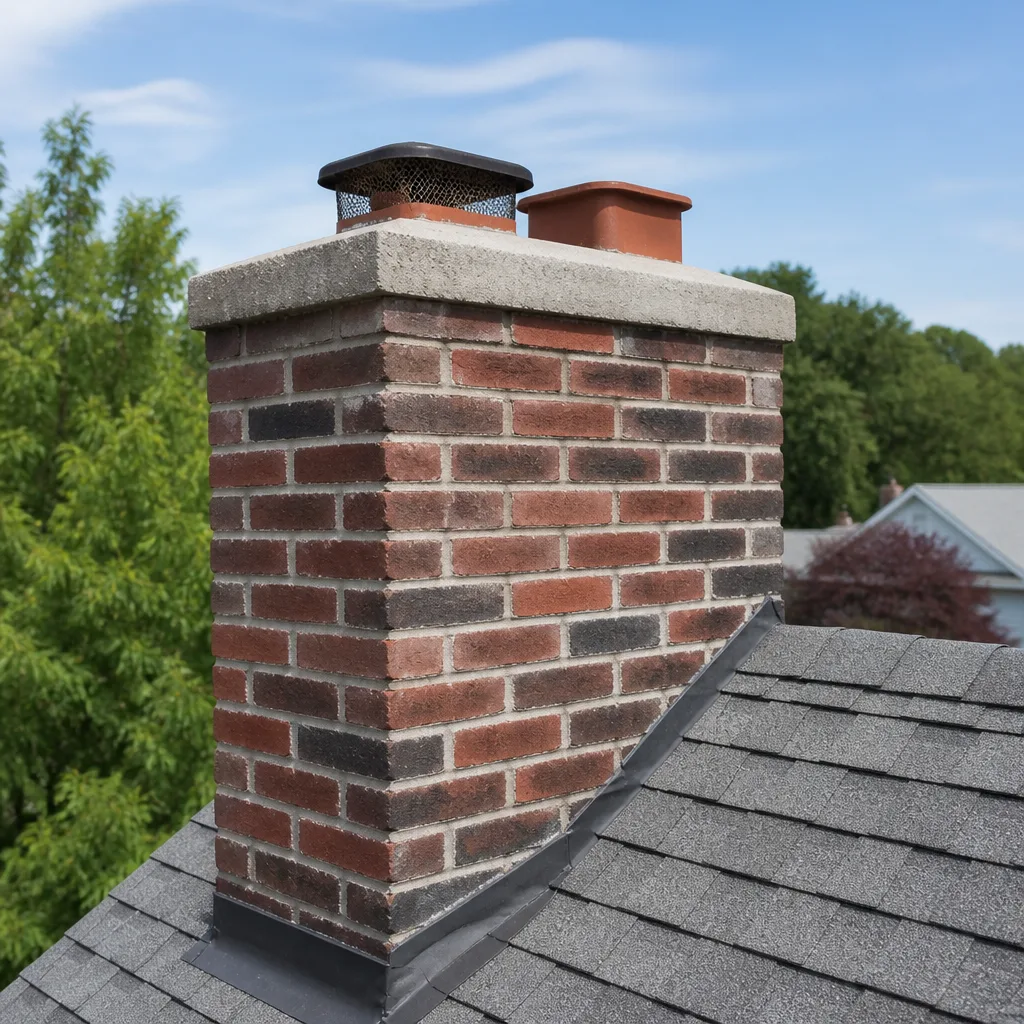 Masonry repair
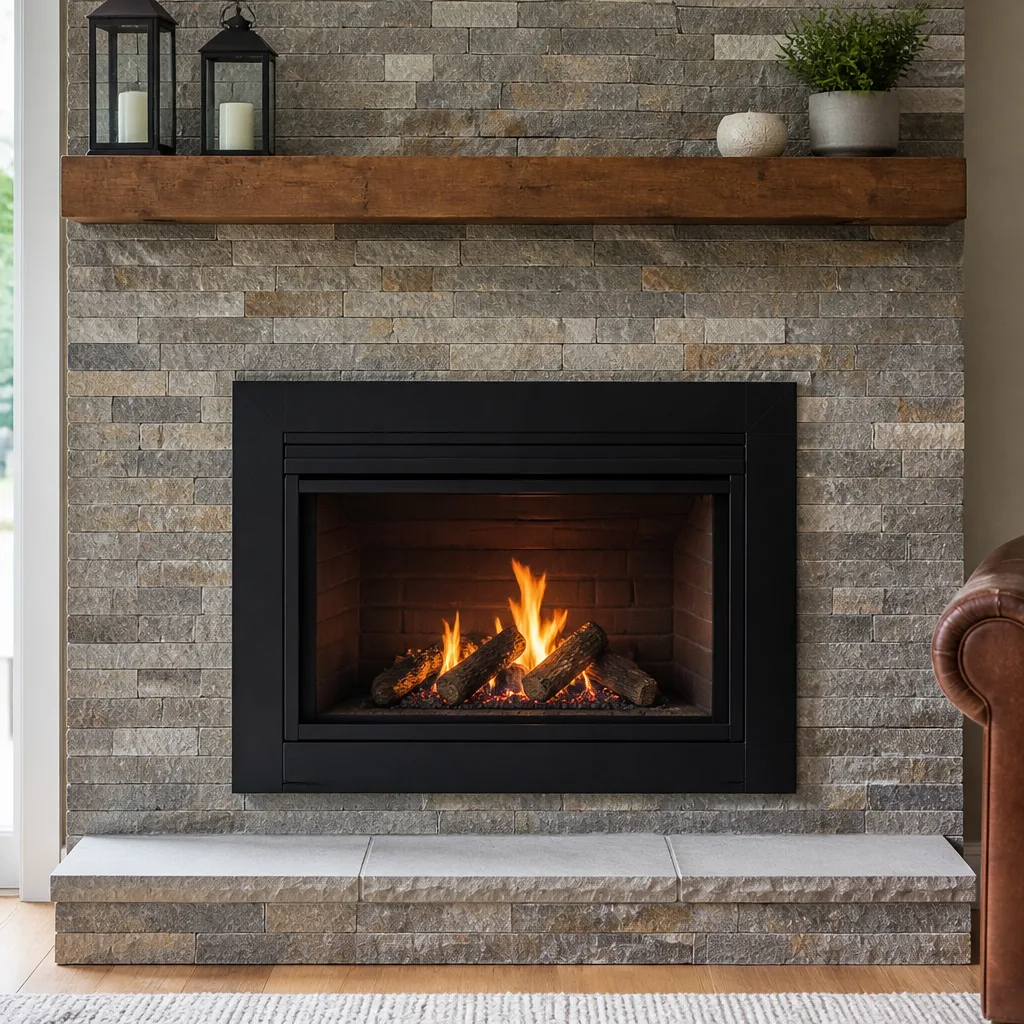 Gas fireplace service
Level 1 sweep and inspection to the NFPA 211 annual standard - flue, crown, cap, and flashing checked and photographed
Chimney sweep logs do not sweep chimneys. They loosen some creosote - which then falls where a brush and vacuum still have to collect it.
Chimney Cleaning Emergency Preparedness Guide for Costa Mesa Homes
Most homeowners picture a chimney emergency as a dramatic collapse, a column of flame on the roof, a wall that a fire has eaten through. The reality in Costa Mesa is quieter and harder to spot. A flue fire can roar at around 2,000°F for ten full minutes while you sit in the next room and notice nothing but a faint low rumble and a smell like hot metal. By the time the signs are obvious, the liner has often already been damaged. The scenarios that actually happen here are chimney fires during Santa Ana wind season and carbon monoxide events from gas appliances, not cartoon collapses. This guide walks through what to recognize, what to do in the first sixty seconds, what to document afterward, and why a camera inspection is the only way to know a chimney is safe to use again.
Quick Answer
A chimney fire emergency in Costa Mesa usually starts as a slow-burning creosote ignition during the dry, windy months, or as a carbon monoxide problem from a gas log set that looks like it’s running fine. The correct response is to stop the fire’s air supply, get everyone outside, and call 911 if you see flame or hear a roar at the flue. After any fire event, no fireplace should go back into service until a Level 2 inspection with a camera confirms the flue is intact.
Styles & brands we work with
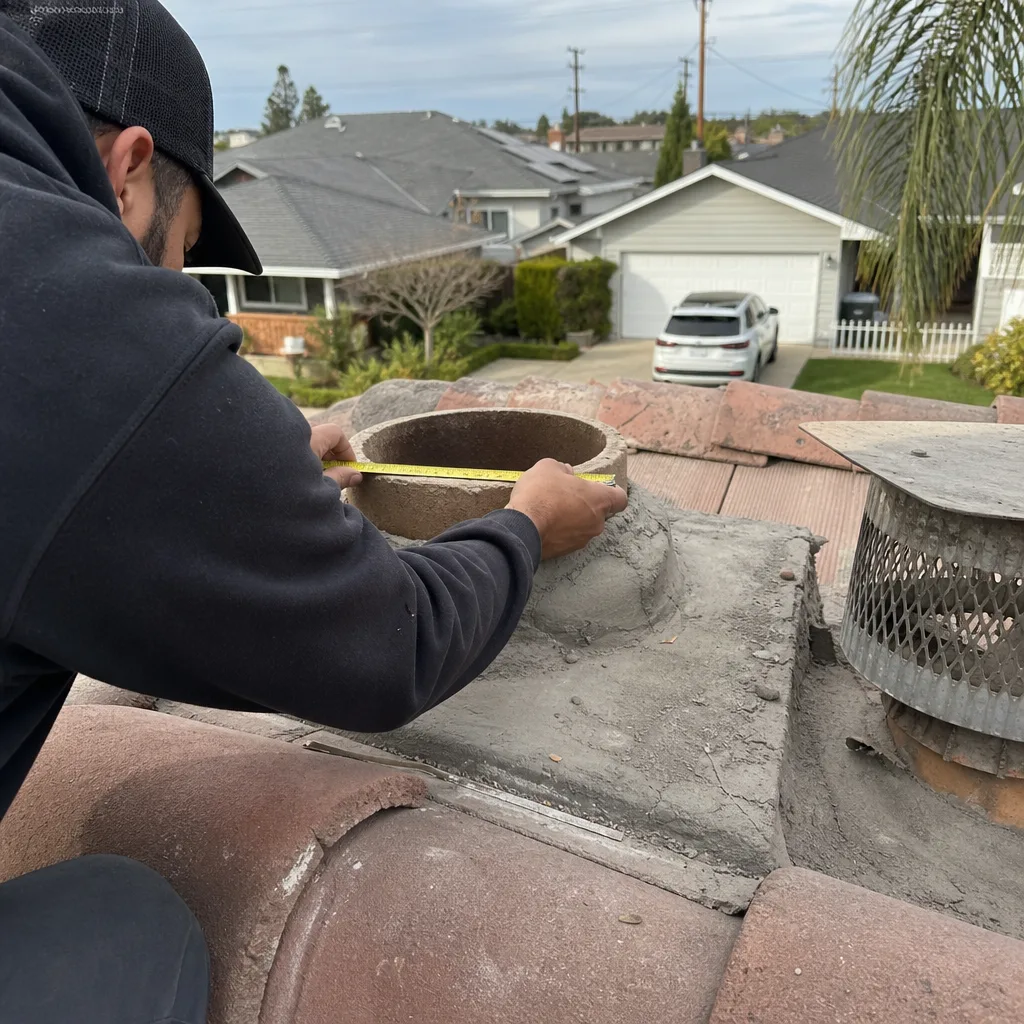
- Sweep & inspection
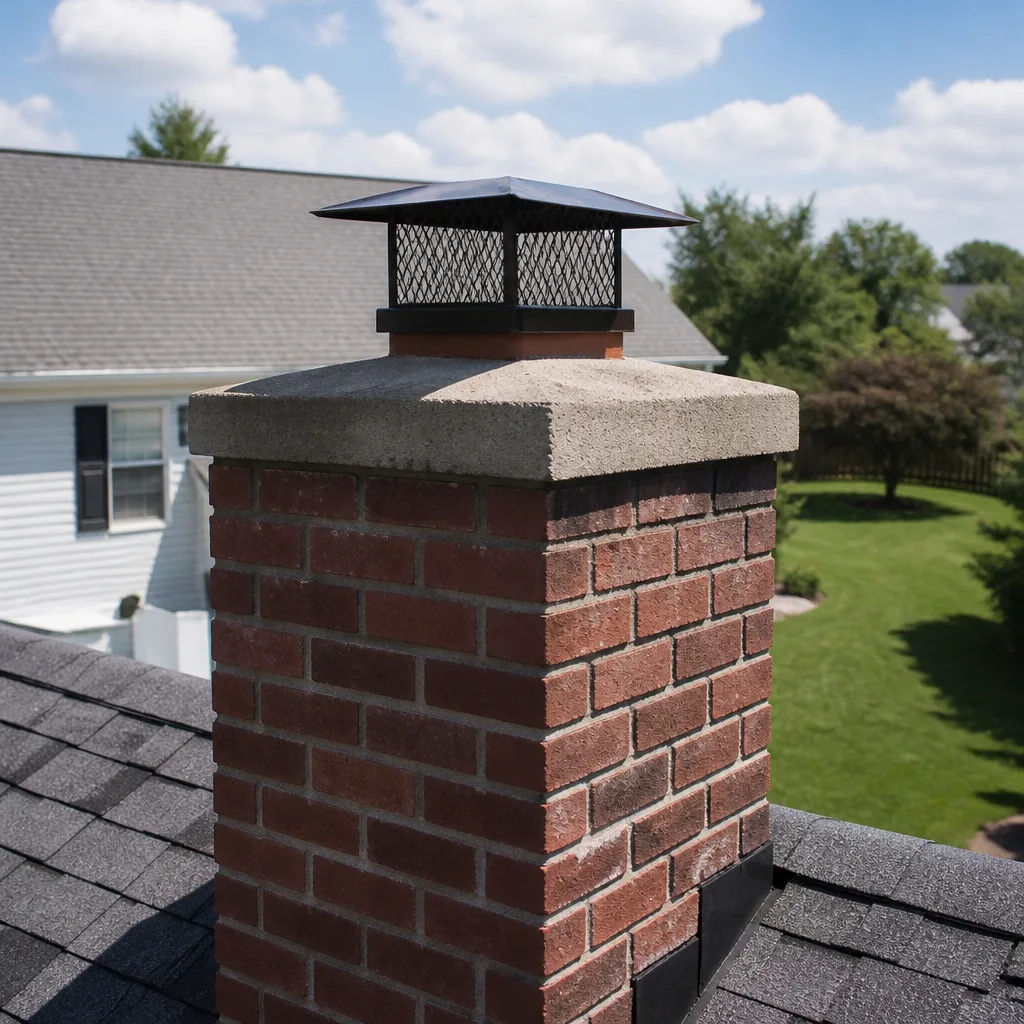
- Caps & crowns
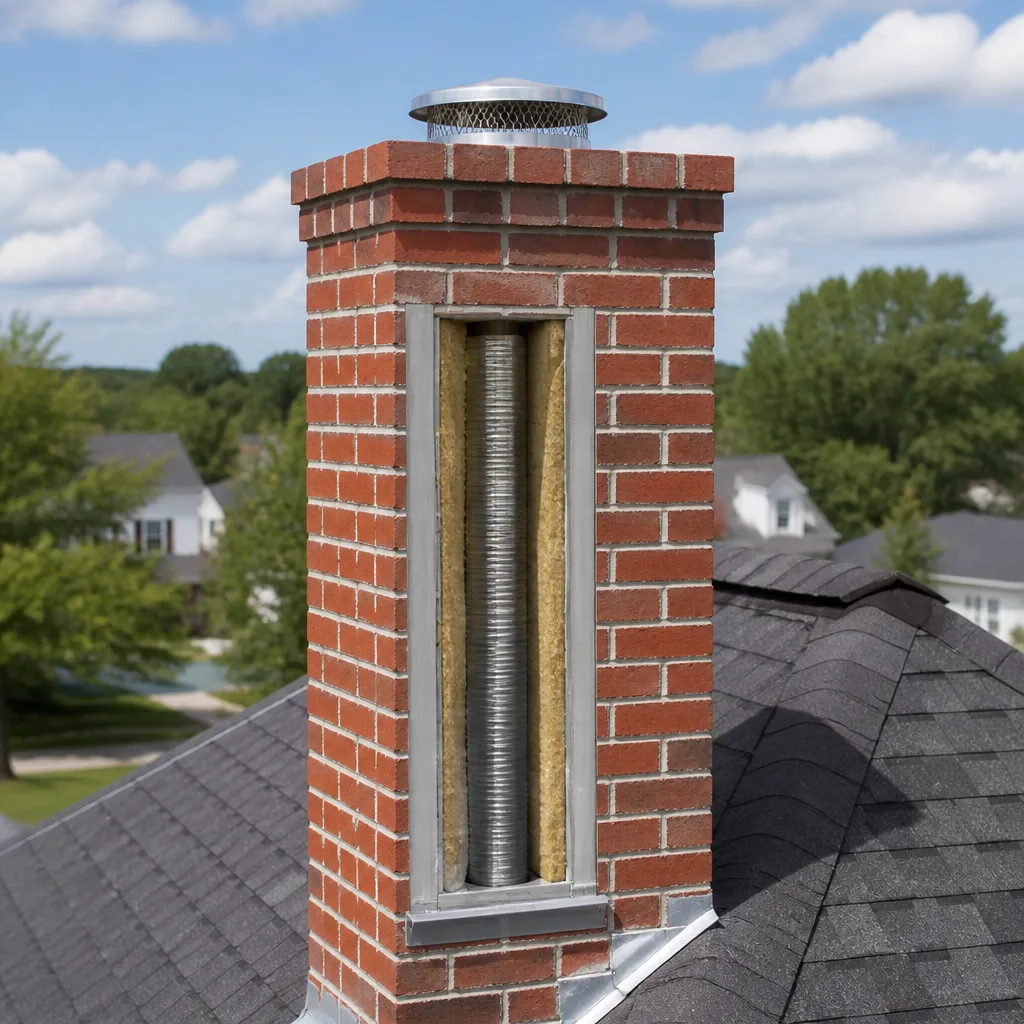
- Flue relining
- Masonry repair
- Gas fireplace service
Table of Contents
- Why Costa Mesa’s Real Chimney Risks Aren’t What You’d Expect
- How to Recognize a Chimney Fire in Progress
- The First Sixty Seconds: What to Close, What to Open, When to Call 911
- Carbon Monoxide: The Gas Appliance Chimney Risk
- What to Photograph After a Fire Event
- Post-Emergency: Why a Level 2 Inspection Comes Before Any Reuse
- Preparing Before the Season: A Practical Checklist
- Returning a Fireplace to Service After an Event
Why Costa Mesa’s Real Chimney Risks Aren’t What You’d Expect
Ask most homeowners what worries them about their chimney and you’ll hear “the chimney falling down” or “a fire spreading into the attic.” Those are real hazards, but they’re not the ones that tend to happen here. In our experience around Costa Mesa, the chimney calls that actually become emergencies fall into two categories: creosote ignitions during dry, windy weather, and carbon monoxide problems traced to gas appliances that seemed to be working correctly.
The Santa Ana wind pattern matters more than people realize. When dry offshore winds push through Costa Mesa and humidity drops, conditions inside a chimney change. Creosote that built up over a season from burning wood is already combustible. The dry air and the draft the winds create can turn a slow smolder into a fast-burning fire inside the flue. A fire that would have crept along quietly in damp weather can flash in a dry one.
Housing stock in Costa Mesa shapes this too. A large share of homes here were built in the mid-twentieth century, when masonry chimneys were standard and flue tiles were laid with mortar joints. Those joints crack with age and heat cycling. A cracked flue tile is one of the main ways a chimney fire moves past the liner and into the surrounding structure. It’s also one of the main ways carbon monoxide finds a path back into the house.
What does that mean for preparation? The work that matters most is done months before anything goes wrong. A chimney sweep removes the creosote that fuels a flue fire. A camera inspection confirms the flue tile is intact. Neither takes much time, and both give you a factual baseline you can hand to your insurer or reference after a fire.
We’ll be honest about one thing: there is no such thing as a fully prepared chimney that skips the sweep. You can have a fire extinguisher staged and a ladder ready, and still have a chimney full of creosote that will burn. Detection and response matter. But the underlying preparation for a Costa Mesa chimney is technical, not tactical.
How to Recognize a Chimney Fire in Progress
A chimney fire often doesn’t look or sound the way people expect. It can burn quietly for a full ten minutes without obvious flame, and the first sign is usually sensory. Knowing what to listen for and smell for, and what to check on the roof, is the difference between catching it early and learning about it from a contractor after the fact.
What you may hear
- A low, persistent roar that sounds like a distant freight train. This is often the first sign and easy to dismiss as wind.
- A rhythmic thumping or popping inside the flue, sometimes described as a fluttering sound.
- A crackling that’s louder and denser than normal fire sounds, or a sound you can feel in your chest.
What you may smell
- Hot metal. This is the smell of a flue liner absorbing heat it wasn’t designed to handle, and it’s a strong signal.
- A sharp, acrid creosote smell, stronger than your usual smoke smell and harder to clear.
- Smoke that rolls back into the room instead of drafting up, even with no obvious change in the fire.
What you may see
- Dense, dark smoke or sparks from the top of the chimney. Normal wood smoke is thinner and lighter in color.
- Visible flame at the flue with heat shimmer above the cap.
- A rain cap and spark arrestor glowing faintly red or looking discolored. A standard cap and arrestor assembly, whether a Gelco or an Olympia Chimney cap, will visibly heat up and discolor when a fire is running through it.
- Creosote flakes or burning debris landing on the roof or yard, indicating that pieces of the liner are breaking off.
One quiet clue that gets missed: the fire may go out on its own while the chimney is still dangerously hot. Don’t take a dying fire as evidence the problem solved itself. The heat has already worked on the liner, and the damage is done by temperature, not by visible flame.
The First Sixty Seconds: What to Close, What to Open, When to Call 911
The steps below are about cutting a fire’s air supply and getting people out of the house. They are not instructions for fighting a fire in a chimney, and they aren’t a substitute for emergency response.
- Get everyone out first. Move people, and pets, to the outside of the house or the far end of the yard, away from the chimney. Then and only then think about the fire.
- Close the fireplace doors or the glass front. Cutting off air to the firebox slows the fire’s supply. Leave any air intake controls in the position they need to be, but close the opening itself.
- Close the damper if you can reach it safely. Restricting the draft starves the fire. Don’t stand in smoke or reach through flames to do it.
- Close windows and doors on the floor of the house, and open windows on floors above. Restricting air to the firebox is the priority. Do not open windows near the fireplace, which feeds the fire.
- Call 911 if you see flame or hear a roar. A roaring flue fire, glowing chimney top, or falling debris warrants a call to 911. Do not wait for it to go out first.
- Watch for a self-extinguishing fire, but don’t trust it. A small fire that burns itself out with no visible sign at the top of the chimney was likely minor. A fire that roared for more than a minute or two left heat damage behind. Either way, no fireplace goes back into service until a technician has inspected the flue.
What you should never do: pour water down the chimney. Water poured into a firebox creates a violent steam explosion, and cold water on a superheated masonry flue tiles can crack them. A chimney fire that’s already in progress is not something to fight from inside.
Carbon Monoxide: The Gas Appliance Chimney Risk
Carbon monoxide is the chimney hazard that gives no warning. It has no color and no smell, and a gas appliance can appear to be running correctly while a cracked flue or a blocked vent sends exhaust back into the living space. In Costa Mesa, where gas log sets and gas fireplaces are common in both older and newer homes, this is the risk most worth preparing for.
Carbon monoxide hazards come from a few specific places in a chimney system:
- A cracked or dislodged flue tile, which lets exhaust bypass the flue and enter the structure.
- A blocked flue from a nest, a fallen liner section, or debris sent down by a windstorm.
- A vented gas log set that’s been installed without a properly sized or lined flue for the category of appliance.
- A ventless gas log set used in a room with poor ventilation or in a home with no working CO detector.
- Negative pressure in the house from exhaust fans or return air, which can pull exhaust down the chimney.
CO detector placement matters more than most people realize. A detector needs to be on every level of the house, ideally near the sleeping areas. A CO detector placed inside the fireplace room, but more than a few feet from the appliance, is still worth having; a detector mounted directly against or inside the firebox is a bad idea because heat will damage the sensor. Place detectors at breathing height in bedrooms and hallways. Near the fireplace, mount one on the wall of the same room but away from the immediate heat and smoke zone.
The other practical preparation is a carbon monoxide check as part of any inspection. Camera inspection of a gas flue checks whether the liner is intact and whether the appliance is exhausting where it should. Thermal checks help spot hot spots where a flue tile has cracked. A technician who runs a gas log set through its cycles and checks draft with instruments can confirm the appliance is venting properly, not just that it lights.
What to Photograph After a Fire Event
Documentation is the part almost everyone skips, and it’s the part that matters most for both insurance and the inspection. Before you clean anything up or call a contractor, take photos of the chimney inside and out, in a sequence. Insurers want a factual record of the condition before the repair, and a camera inspector wants a baseline to compare against.
Photograph, in this order
- The room and the fireplace. Wide shots of the room, close shots of the firebox, glass doors, hearth, and any soot staining on the surround or the wall above.
- The damper and flue. Open the damper and take photos with a flashlight pointed up. If the firebox is still smoky, wait until it clears and then photograph. Capture any visible creosote, discoloration, or fallen material.
- The exterior chimney and roof. Photograph the stack from the ground with a zoom lens, and from the roof if it’s safely accessible. Record the cap and spark arrestor condition, any discoloration or melted components, and debris on the roof or in the gutters.
- Anything that fell. Photograph debris where it landed before you move it. Creosote flakes and liner pieces tell the inspector where the fire was hottest.
- A written timeline. Note the time you noticed the problem, when you called 911, and what you saw when. Keep a copy for the insurer.
After photographing, resist the urge to clean the firebox or chimney yourself. What looks like cosmetic soot can hide a broken flue tile, and the inspector needs to see the condition as it was, not after a scrub. Save your receipts for anything you had to pay for as part of the response, including a hotel stay if your home was unsafe to stay in.
Post-Emergency: Why a Level 2 Inspection Comes Before Any Reuse
A fireplace should never go back into service after a fire event until a Level 2 inspection confirms the flue is intact. That’s not a sales pitch; it’s what the industry standard requires. NFPA 211, the national standard for chimneys and vents, calls for a Level 2 inspection whenever a chimney has been through a fire event or any other condition that could have damaged it. The reason is simple: you can’t see most of the flue from inside the firebox, and damage from a chimney fire is often internal and invisible.
What a Level 2 inspection should cover
- A visual check of the accessible portions of the chimney, including the firebox, damper, smoke chamber, and flue, plus the exterior stack.
- A video camera sweep of the entire flue, from the top down or bottom up, so every flue tile joint and the liner are on record. Ask for a copy of the video.
- Recording of any cracks, gaps, spalling, or displaced tiles. A camera inspection catches what a visual check can’t.
- A report with photos and notes, suitable for insurance documentation.
- A written recommendation, with options if repair is needed. HeatShield resurfacing is one route to repairing a damaged flue without a full reline or rebuild, but it applies only when the underlying structure is sound. A DuraFlex liner is the typical alternative when the flue needs a new liner entirely.
A camera inspection is the part of this that isn’t optional. A flue condition that looks fine from the bottom can be cracked halfway up, and the crack is exactly what would let carbon monoxide or fire through. In our experience, a surprising number of “the chimney seems fine” cases turn up damaged flue tiles under the camera. The technician who inspects is the same trade professional who can repair what they find, so there’s no hand-off to a second company after the inspection.
The camera also answers the question of whether the fireplace can safely go back into service. A clean report with sound flue tiles means a normal use schedule. A report showing cracks means hold off until the repair is complete. The written report sets the timeline, not a verbal impression.
Preparing Before the Season: A Practical Checklist
The best preparation isn’t in the first sixty seconds of an emergency; it’s in the weeks before the first burn. Here’s a practical checklist for a Costa Mesa home heading into the burning season.
- Book a sweep and inspection before the first burn. The sweep removes creosote, and the inspection tells you what’s really going on in the flue. Booking this well before the season starts means you’re not waiting on a schedule when you most need an answer.
- Get a camera inspection on record. If you’ve never had the flue camera-checked, this is the year to start. Having a baseline report means any future damage is easier to spot.
- Check the cap and spark arrestor. A missing or damaged cap lets in rain, debris, and animals. A proper cap from Gelco or an Olympia Chimney system keeps water off the flue and keeps birds and rodents out. Water intrusion is one of the top causes of flue damage in this climate, and it’s one of the easiest things to fix.
- Test every CO detector in the house. Press the test button. Replace the battery on schedule, and replace the whole unit per its manufacturer’s lifespan.
- Have gas appliances checked. A gas log set or gas fireplace should be checked for correct venting and draft, not just for a clean burn.
- Learn the flue top’s normal appearance. If you know what your chimney looks and sounds like when burning normally, you’ll recognize it when something changes.
- Keep a charged fire extinguisher near the living space. Not for use on a chimney fire, but for any fire that escapes the firebox. Test the extinguisher’s pressure gauge on schedule.
- Clear the area around the fireplace. Keep anything that could catch fire a safe distance from the hearth. A fire that gets out of the firebox is often a house fire, and that’s a different emergency.
We name the brands we use for a reason. When a chimney repair or cap replacement is done with DuraFlex, HeatShield, Gelco, Olympia Chimney, or Famco, the homeowner knows what went into their chimney and can find the material specification if they ever need it. Off-brand components are cheaper, but there’s no way to trace what they’re made of or how they’ll hold up when a flue fire runs past them.
Returning a Fireplace to Service After an Event
Once a fire event has happened, the question isn’t whether the fire went out. It’s whether the flue is structurally sound enough to hold another fire. A chimney can look normal from the living room and have a cracked flue tile two-thirds of the way up. That’s the state that matters after any fire.
The sequence to get back to normal use is straightforward:
- Get the Level 2 inspection first. Nothing else should happen until the camera has been through the entire flue and a written report is in hand.
- Address any repairs before the next fire. Cracks, displaced tiles, and damaged crowns all have specific repairs. HeatShield resurfacing can restore a flue that has spalling without a full reline. A DuraFlex liner fits when the flue needs a new continuous liner. A damaged crown comes off and gets rebuilt.
- Have the sweep done after the repair. A repair can leave debris, and a clean flue is the starting point for a new burning season.
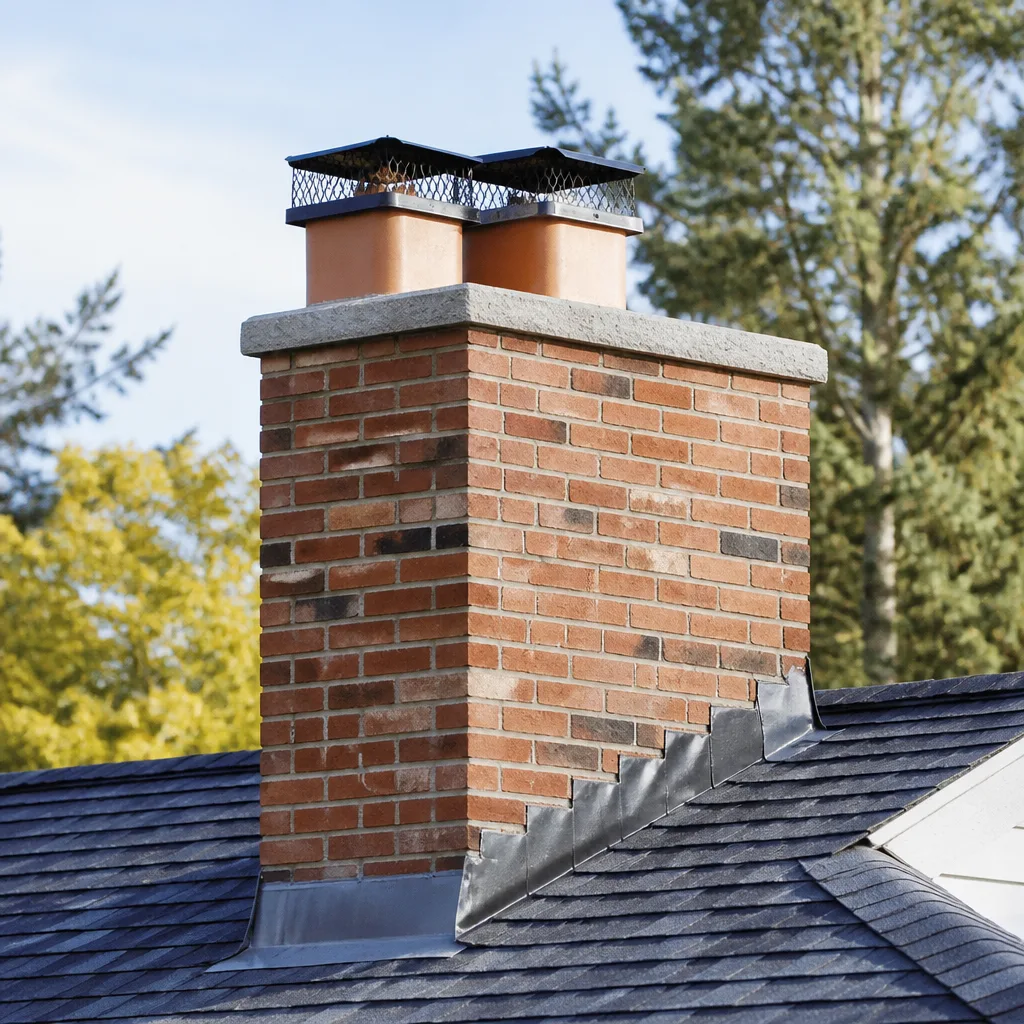
- Recheck the cap and crown. Water intrusion ruins more flues over time than fire does. A proper cap and a sound crown from a professional manufacturer protects everything below them.
- Document the repair. Photos and the written report both go with your home records. When you sell the house, the record is the proof that the chimney was handled correctly.
One useful detail: if the fireplace is a gas log set, the repair isn’t finished until the appliance has been run again and draft checked. A liner that vents well for a wood fire vents a gas appliance at a different flow, and a gas appliance that’s not venting properly is a CO hazard regardless of how good the flue looks.
Common Mistakes to Avoid
- Waiting for visible flame before calling 911. A chimney fire can roar for ten minutes with no flame visible from the ground. A hot-metal smell and a low roar are reason enough to call.
- Pouring water down the flue. It doesn’t put out a flue fire, it can crack the liner from thermal shock, and it turns a bad situation into a dangerous one. Don’t.
- Skipping the CO detector on upper floors. Many homes in Costa Mesa have a single CO detector near the fireplace and nothing on the bedroom level. The detector needs to be where people sleep; CO rises and gathers in the upper areas of the house.
- Using the fireplace before the camera inspection is done. A fire that seems fine after the flue was damaged can send exhaust into the house. No reuse until the flue is verified.
- Skipping the photo documentation “because it’s obvious.” The condition of the chimney after a fire is what the insurer needs, and memories of the exact state aren’t reliable later.
- Cleaning up the firebox before the inspection. The soot pattern and debris tell the inspector where the fire was hottest and where the damage happened.
- Assuming a cap is just cosmetic. A missing or rusted-out cap lets water, animals, and debris in, and those are the top causes of the flue damage that leads to bigger problems. A Gelco or Olympia Chimney cap assembly is there for a functional reason, not decoration.
See the difference
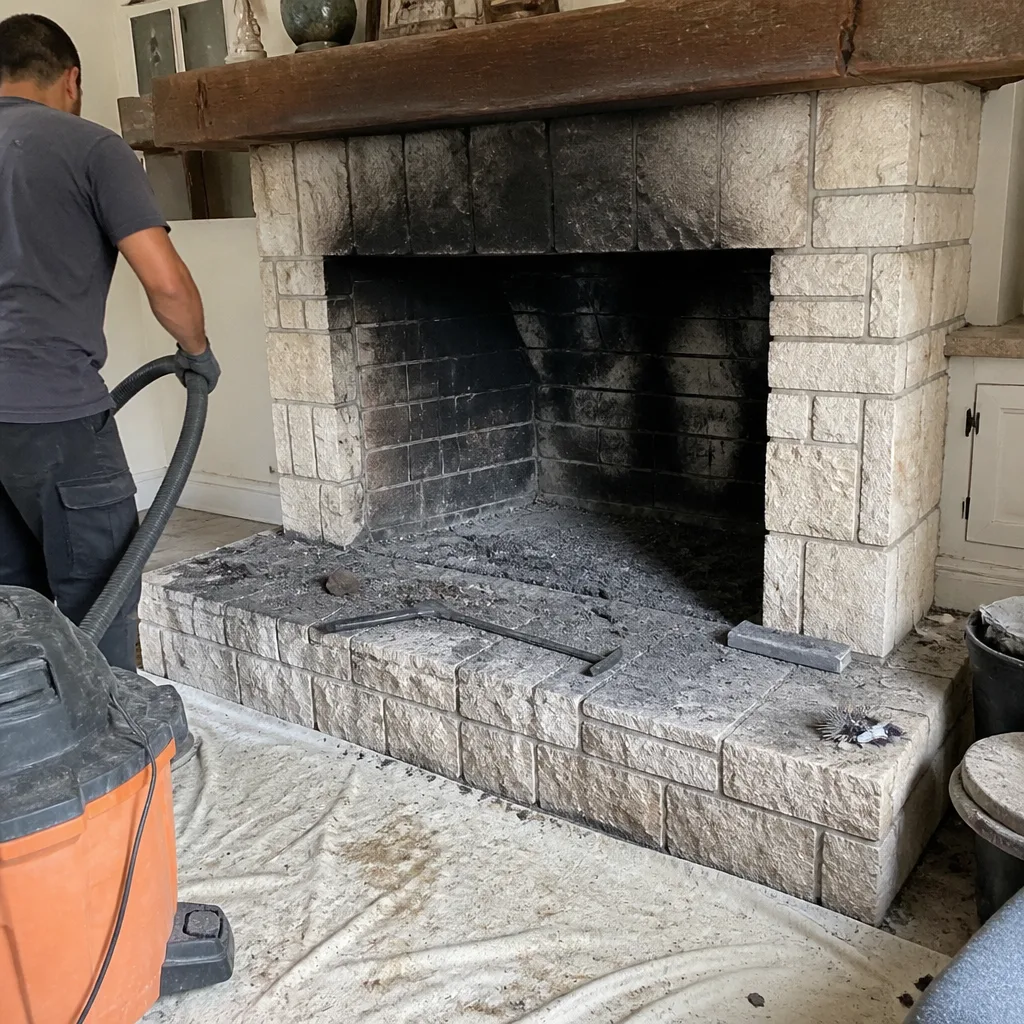 Before
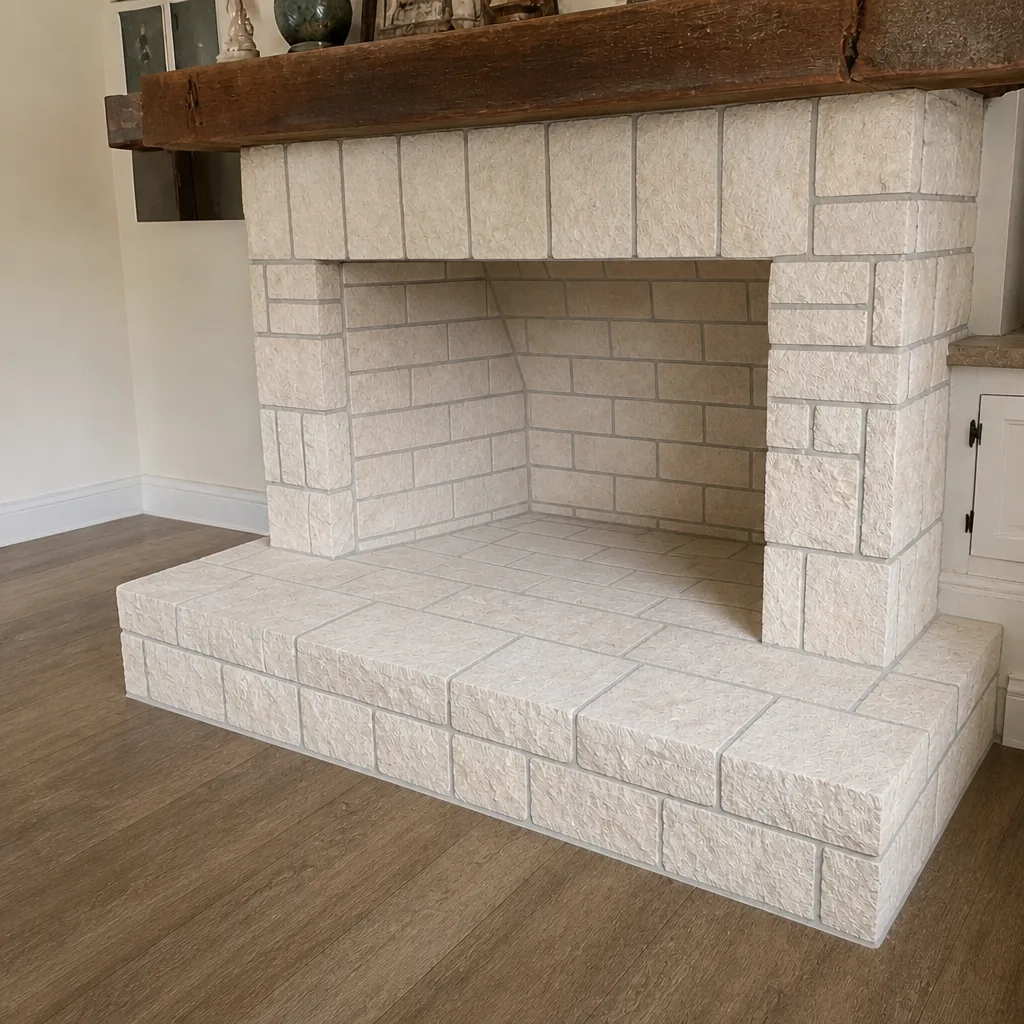 After
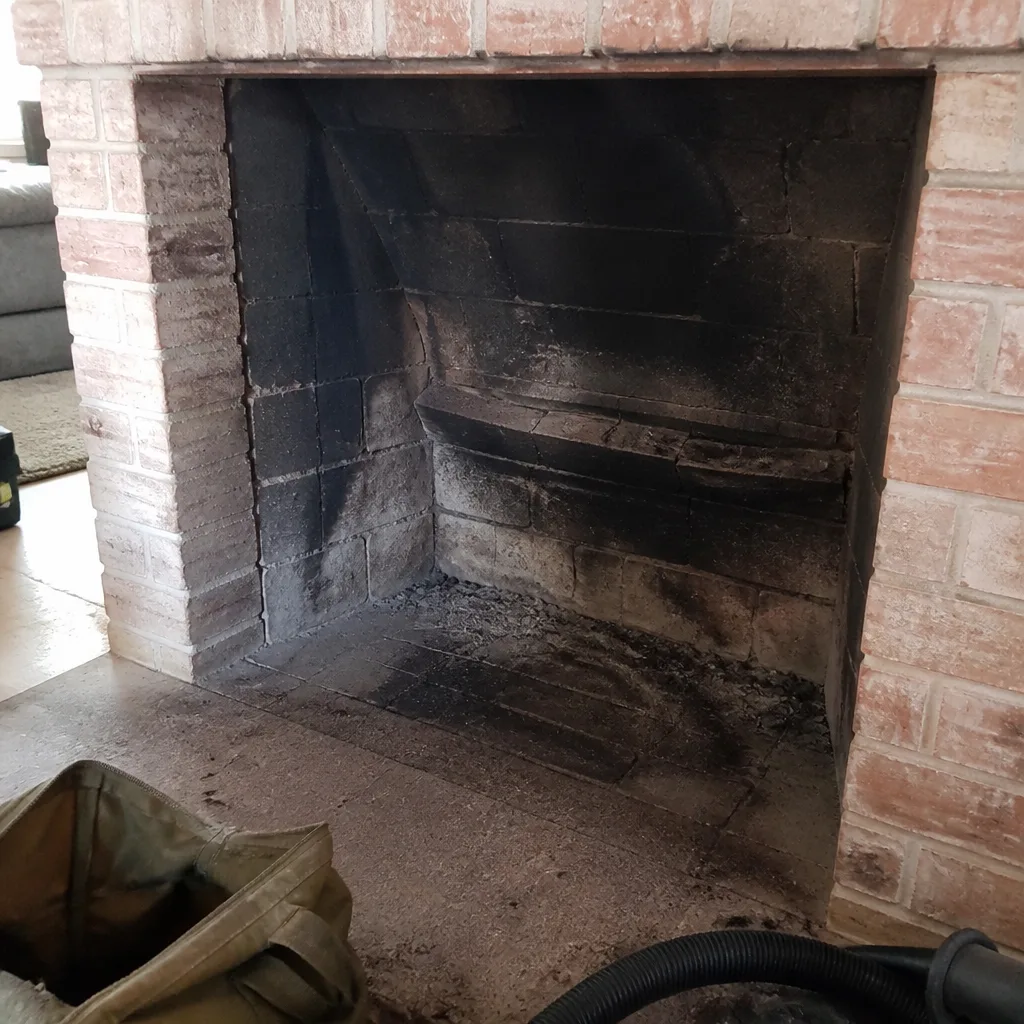 Before
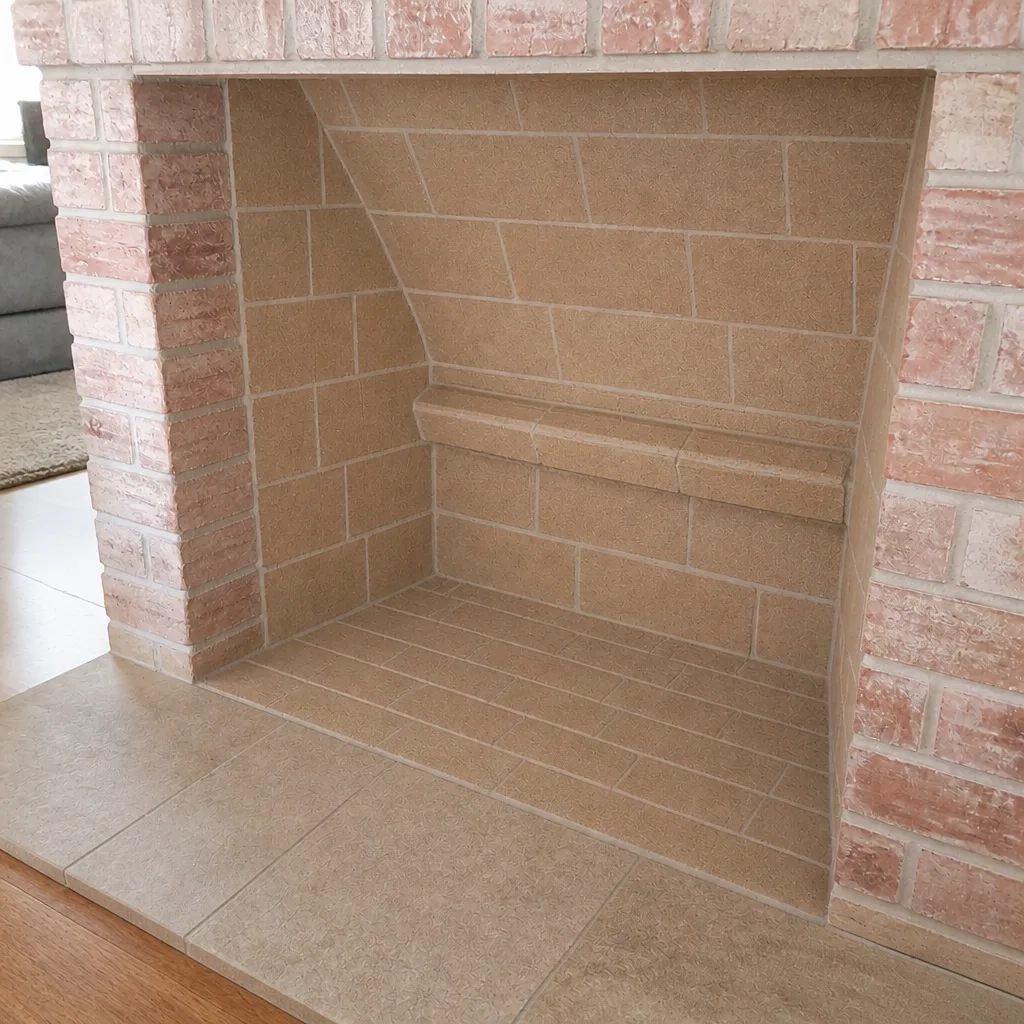 After
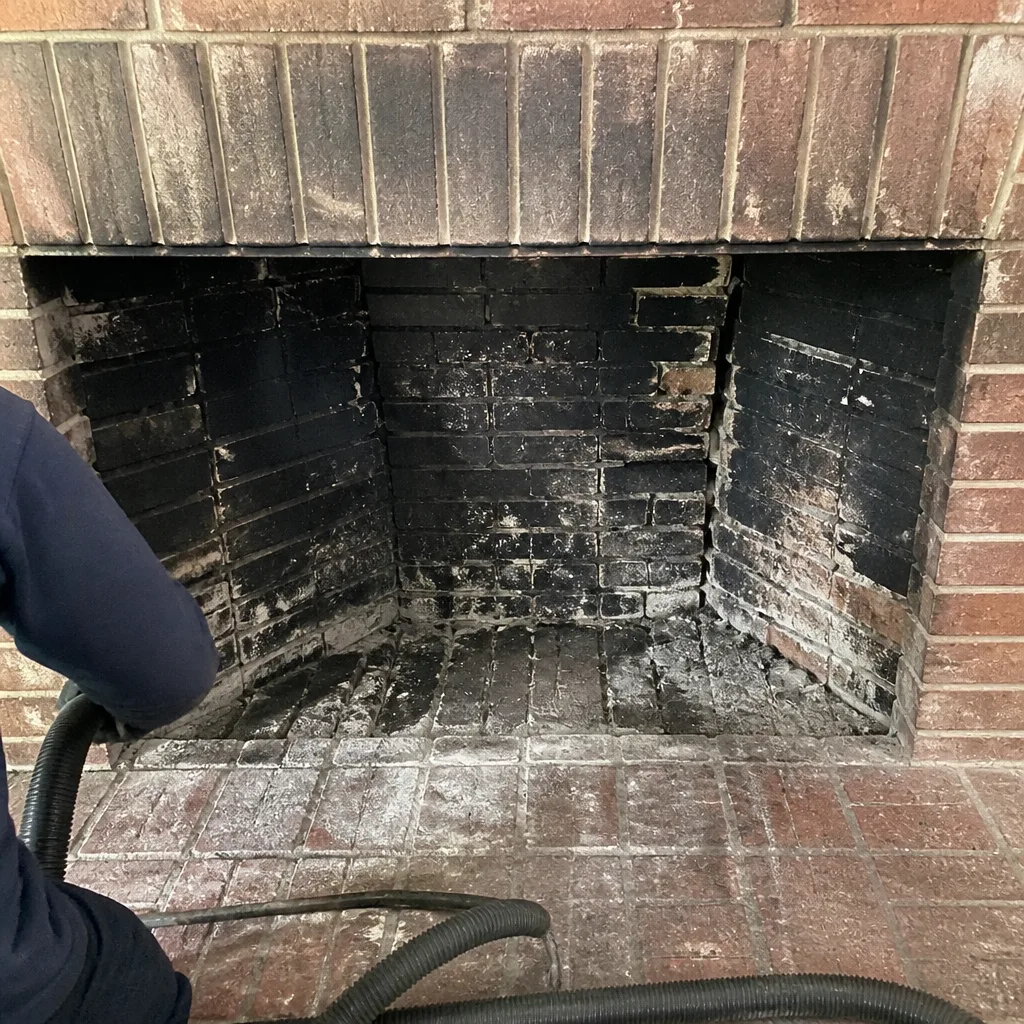 Before
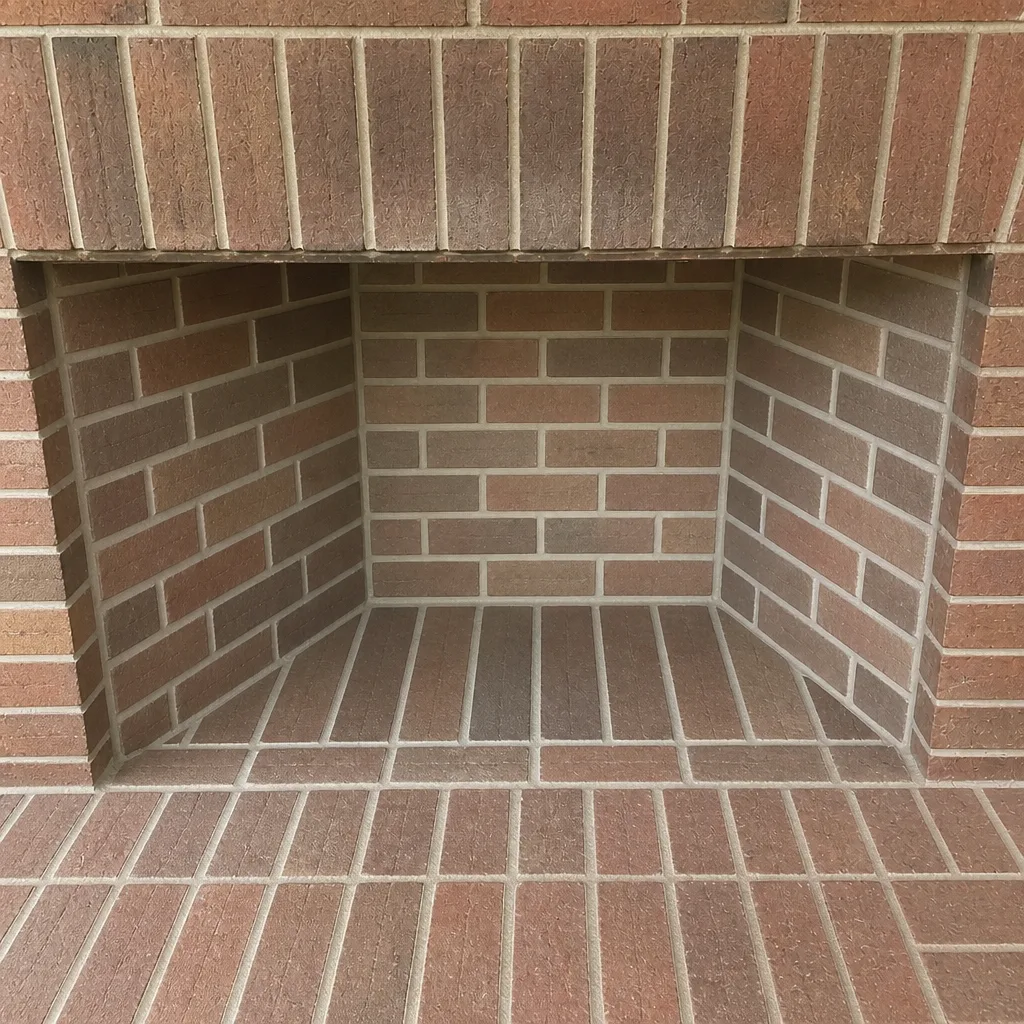 After
When to Call a Professional
Not every chimney issue is a same-hour call, but some are. Call a professional immediately if you see flames or a glow at the top of the chimney, hear a roar, or notice hot-metal smell during use. Call if soot is falling into the firebox, or if you’ve already called 911 for a chimney fire and the fire department has left. Call if a CO detector has alarmed, no matter how briefly. And call if the chimney was recently in use and you’ve noticed staining on the wall, ceiling, or the exterior brick, which can indicate damage.
For routine prevention, the right time to book a sweep is before the season. If you’ve never had a camera inspection, this season is the year to get a baseline. Costa Mesa Chimney Sweep Pros offers free estimates in Costa Mesa, and the estimate covers a flat-price plan written out and agreed before any work begins. Call (877) 792-5891. We answer 24/7. Fast dispatch from 7am to 7pm, Sunday through Friday. The technician who inspects will be the one who can repair what’s found, with HeatShield resurfacing, a DuraFlex liner, or a roof component from Famco or Copperfield, chosen to fit the chimney rather than a generic replacement.
We also handle fireplace repair alongside the sweep and inspection, so a firebox issue doesn’t turn into a second appointment with a different company.
Frequently Asked Questions
A chimney sweep in Costa Mesa typically runs in a modest range, and the exact price depends on the flue configuration, how much creosote is present, and whether an inspection is bundled with it. The written estimate sets the final price, and we agree on it before any work starts. Call (877) 792-5891 for an exact quote, estimates are free.
Yearly is the right baseline for a home that uses its fireplace regularly, though the actual schedule depends on how much you burn. A home with heavy winter use and a lot of softwood smoke can need a sweep more often. A sweep removes the creosote that fuels a chimney fire, and skipping one is the single most common way a routine season turns into an emergency. Call (877) 792-5891 to schedule one.
You may never see one, but the signs usually include a low roar, a hot-metal smell, popping sounds inside the flue, or discoloration at the cap. If you noticed any of these during a recent burn, schedule a Level 2 inspection before using the fireplace again. The camera is the only reliable way to know whether the flue was damaged.
No. Not until a Level 2 inspection confirms the flue is intact. Even a small fire can crack a flue tile, and a cracked tile lets both fire and carbon monoxide out of the flue. The size of the fire doesn’t determine the damage; the temperature and duration do. Call (877) 792-5891 to book the inspection.
Put CO detectors on every level of the home, including a unit near the sleeping areas, plus one in the same room as the gas fireplace but positioned away from direct heat. Avoid mounting them inside or against the firebox. Test every detector on schedule, and replace the unit on its manufacturer’s stated lifespan. A gas appliance check as part of your inspection confirms the flue is venting safely.
They can, though most happen during the burning season. The drying that makes a chimney fire more likely matters more than the season, and Santa Ana wind conditions during the cooler months can accelerate a smolder. A gas appliance can produce a carbon monoxide problem at any time of year, which is why the CO detector check belongs in your routine no matter the season. Call (877) 792-5891 if you haven’t had the flue checked recently.
HeatShield is a resurfacing system that repairs a damaged flue from the inside without a full reline. It’s a fit when the underlying flue structure is sound and the problem is the inner surface. A DuraFlex liner is the option when the flue needs a new full-length liner. The camera inspection determines which applies.
Don’t light a fire until the blockage is cleared and the flue is checked. A blocked flue sends smoke and exhaust into the house, and if it’s a gas appliance, that’s a carbon monoxide situation. A proper cap and spark arrestor prevents most of these blockages. Call (877) 792-5891 to schedule the check and to install or replace a cap if you don’t have one.
The Bottom Line
A chimney emergency in Costa Mesa is far more likely to be a creosote fire during dry, windy weather or a carbon monoxide problem from a gas appliance than a dramatic structural collapse. The preparation that matters is specific. Know the sounds and smells of a flue fire, don’t pour water on a chimney fire, get everyone out and call 911 when you see flame or hear a roar, and photograph the condition before any cleanup. Put a CO detector on every level of the home, with attention to the sleeping areas. After any fire event, no fireplace goes back into service until a Level 2 inspection with a camera confirms the flue is intact. Book the sweep and the camera inspection before the season, and let a camera inspection that comes with repair capability on the same visit resolve your questions.
One dedicated company handles the Costa Mesa Chimney Sweep Pros scope from sweep to structural repair, without a hand-off to a second contractor. Materials come from recognized brands: DuraFlex for liners, HeatShield for flue resurfacing, Gelco and Olympia Chimney for caps, Famco and Copperfield for crowns and components. Our technicians have up to 8 years of experience. Nothing is recommended without camera evidence you can see for yourself, and we’ll tell you plainly when work can safely wait. Call (877) 792-5891 for a free estimate. We answer 24/7. Fast dispatch from 7am to 7pm, Sunday through Friday.
Written by the team at Costa Mesa Chimney Sweep Pros.