
Last updated November 25, 2026
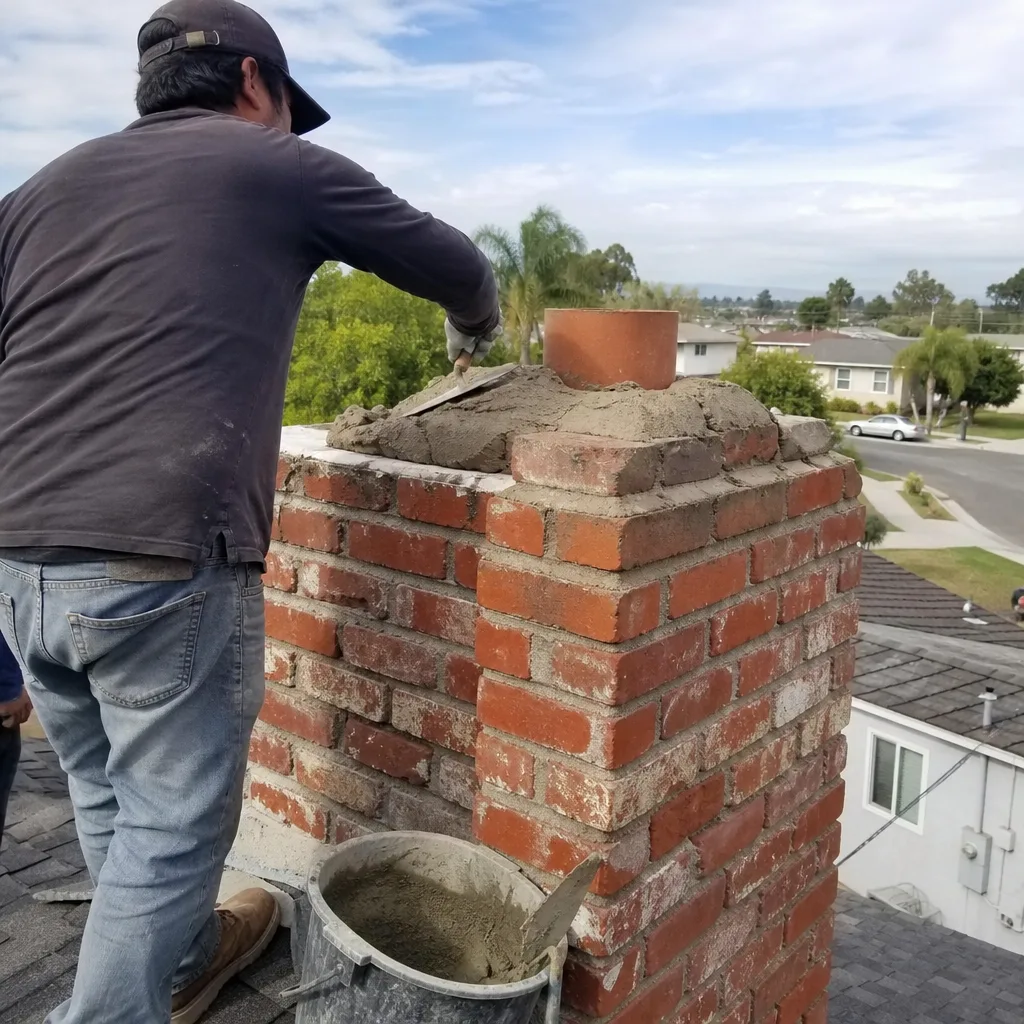
 Sweep & inspection
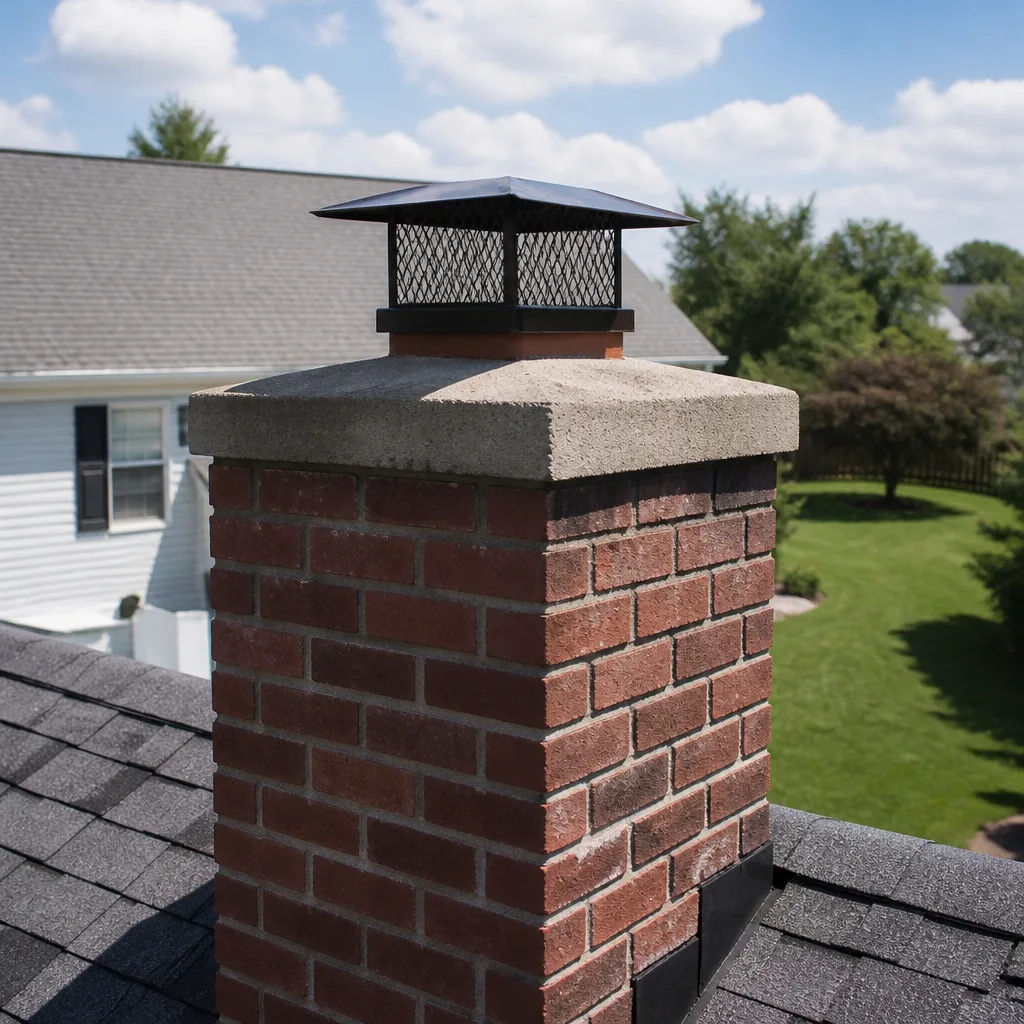
 Caps & crowns
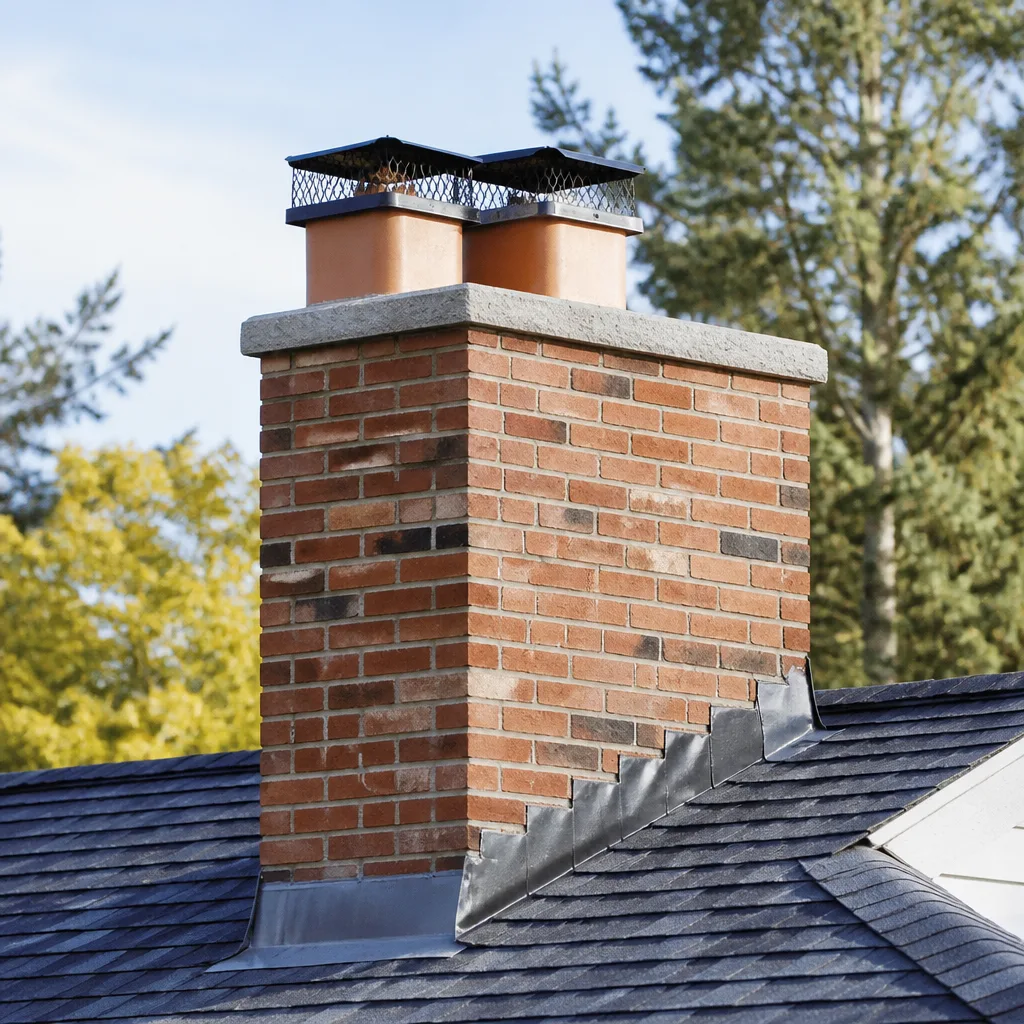
 Flue relining
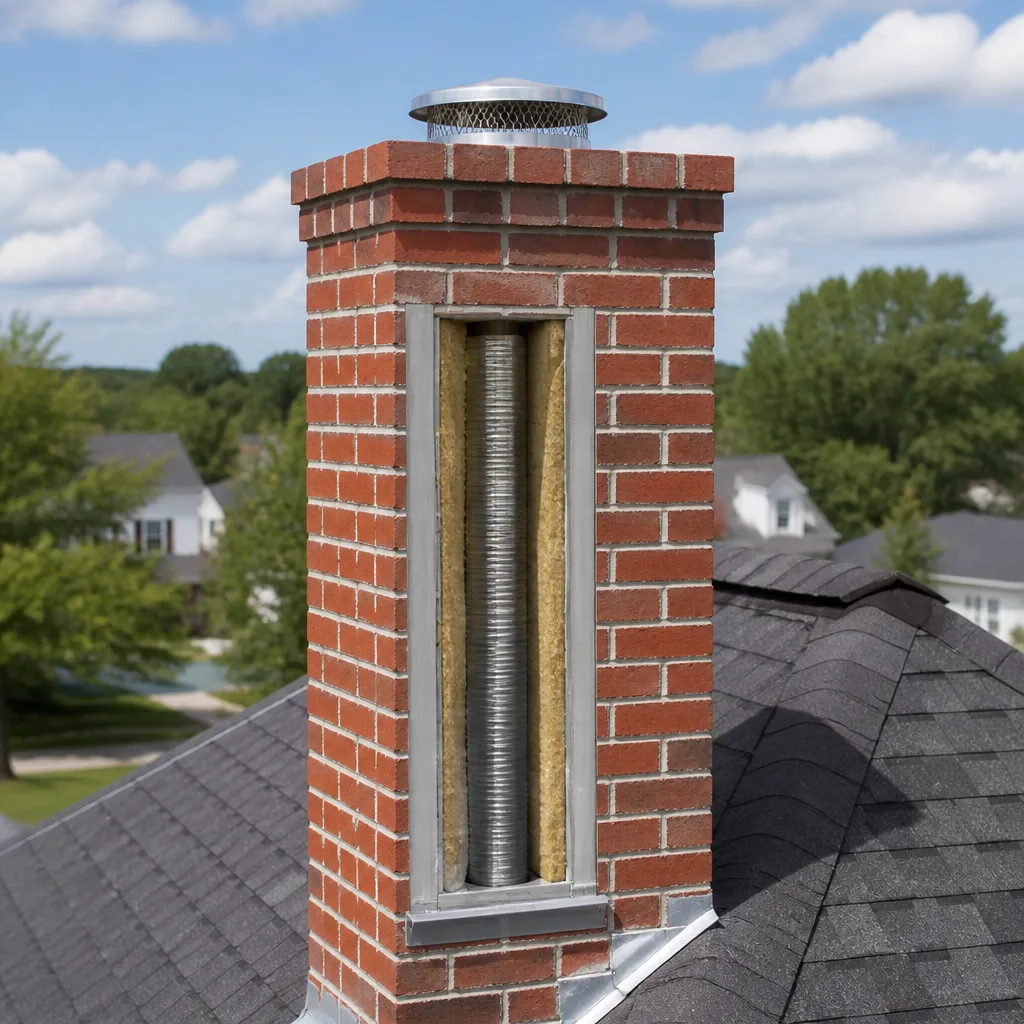
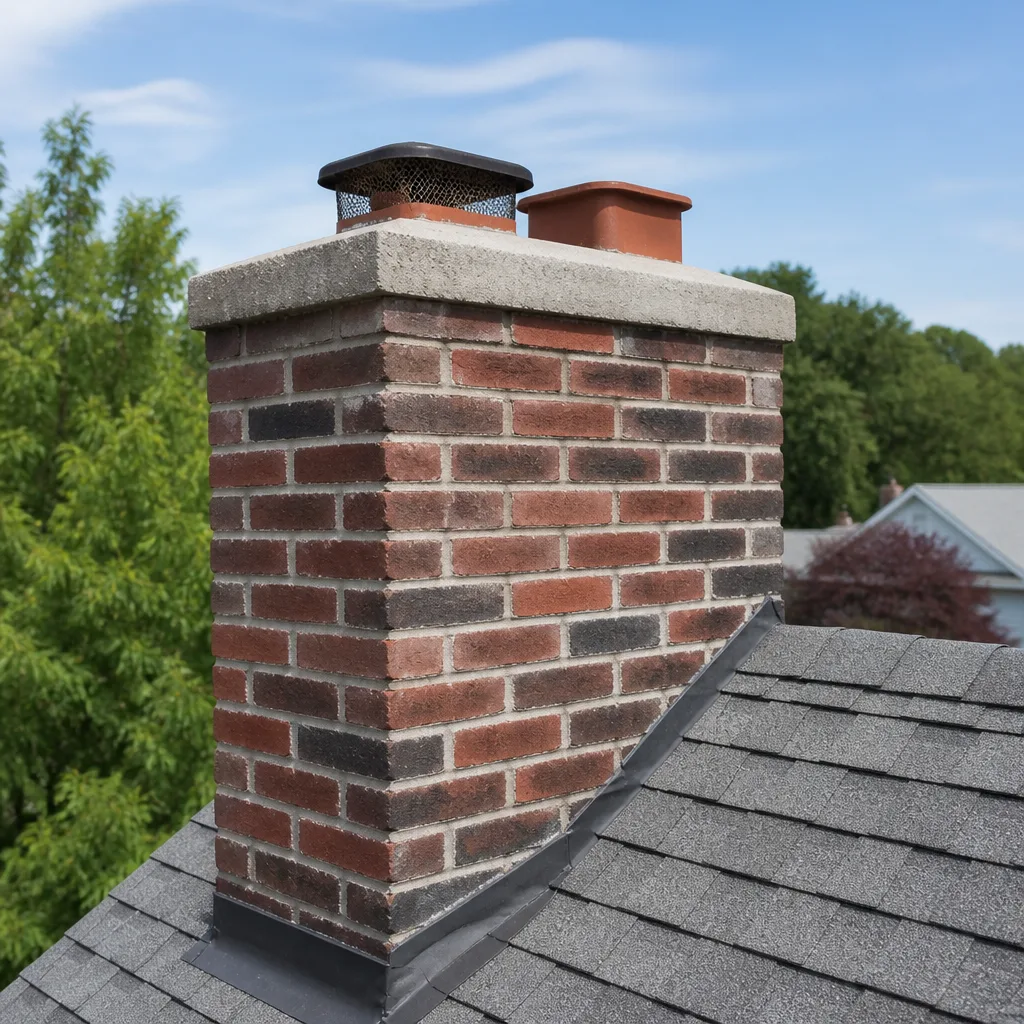 Masonry repair
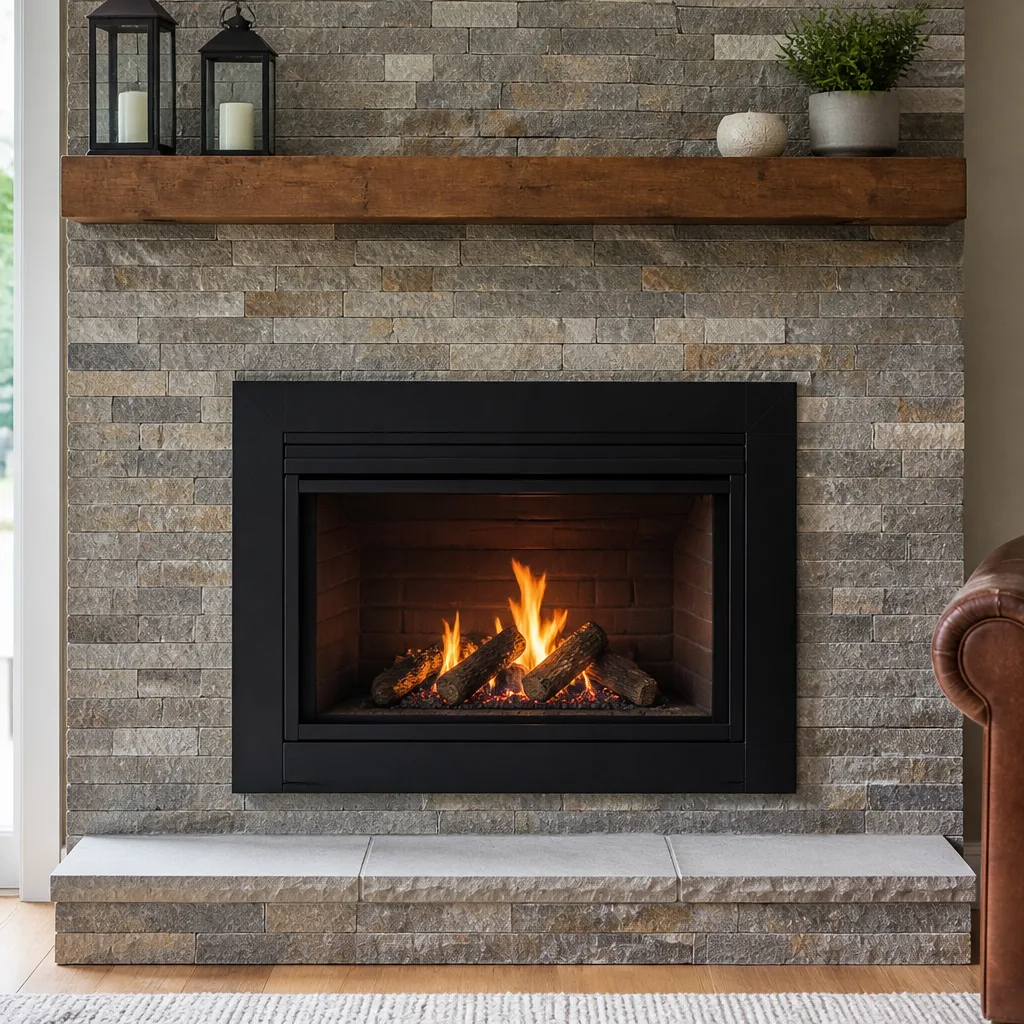 Gas fireplace service
Level 1 sweep and inspection to the NFPA 211 annual standard - flue, crown, cap, and flashing checked and photographed
Chimney sweep logs do not sweep chimneys. They loosen some creosote - which then falls where a brush and vacuum still have to collect it.
DIY vs Professional Chimney Cleaning: The Costa Mesa Homeowner’s Decision Guide
A homeowner with a brush kit can remove light creosote from a straight flue. That same kit does nothing for a cracked tile, a failed damper seal, or hardened stage 2 deposits, and it can’t tell you which of those problems you actually have. The gap between “I cleaned my chimney” and “my chimney is safe” is the entire subject of this guide. We’re going to draw the line precisely: what a careful Costa Mesa homeowner can reasonably do, what the tools and methods genuinely accomplish, and the exact point where self-service stops being enough. No scare tactics, no upsell math. Just the mechanical reality of what a sweep does and what it can’t.
Quick Answer
DIY chimney cleaning is a reasonable option only if your flue is straight, your deposits are light (stage 1, soot and flaky creosote), you’ve had a professional inspection within the last year or two, and you burn occasionally. A professional sweep is the right call for anything else: heavy or glazed creosote, an older or unknown chimney, a wood stove insert, or any chimney that hasn’t been inspected recently. The cleaning itself is the smaller half of the job. The inspection is the half that tells you whether your chimney is safe to use, and that’s the part a brush and a ladder can’t give you.
Styles & brands we work with
- Sweep & inspection
- Caps & crowns
- Flue relining
- Masonry repair
- Gas fireplace service
Table of Contents
- What a Sweep Actually Does (and What a Brush Can’t)
- What a Correct DIY Sweep Requires
- The Inspection Gap: Why Cleaning Without Looking Is Half a Job
- The Four Variables That Decide DIY vs Professional
- The Insurance Question: What a Claim Looks Like After a DIY Sweep
- What Each Path Actually Costs in Costa Mesa
- Common Mistakes to Avoid
- When to Call a Professional
What a Sweep Actually Does (and What a Brush Can’t)
A rotary sweep removes what’s called stage 1 creosote: the soot and thin, flaky deposits that build up with normal fireplace use. A brush is a mechanical tool. It scrapes, it agitates, and it knocks material loose so a vacuum can carry it away. That’s the whole of its job, and it does that job well on a flue in decent condition. Where the mechanical approach runs out is stage 2 and stage 3 creosote. Stage 2 is denser, more tar-like, and clings to the flue walls; a brush passes over it and leaves most of it behind. Stage 3 is glazed, hardened creosote that behaves almost like a coating. A brush doesn’t remove it, and in some cases a brush can compact it further.
What a rotary brush also cannot do:
- Reach the smoke chamber. The sloped area above the damper collects creosote and is one of the most common places a chimney fire starts. A flue brush from the top or the bottom doesn’t scrub that chamber.
- Clean the firebox walls and damper assembly, which accumulate deposits the flue brush never touches.
- Remove a bird nest, a broken tile, or a fallen cap fragment. These blockages need to be pulled, not brushed.
- Identify a damaged flue tile, a cracked crown, or a failing damper seal. That’s inspection work, not cleaning work.
- Handle an offset or angled flue. A straight rod can’t follow a jog in the flue, and forcing it can damage tile.
In our experience, the deposits that matter most in a Costa Mesa home are the ones a homeowner never sees. Mild local winters mean people here get a lot of burn season out of a fireplace, and a few years of regular use can produce a surprising amount of stage 2 buildup above the damper. That’s exactly the spot a brush from the flue can’t reach. When we run a chimney sweep, the flue is one part of the work. The smoke chamber, firebox, and damper get the same attention.
What a Correct DIY Sweep Requires
Most DIY articles describe a brush, a rod, and a ladder. That’s the outline of a sweep, not the actual tool list. A properly done sweep protects the house from soot before the brush touches the flue. If you’re going to do this yourself, here’s what the job honestly requires:
- Drop cloths and plastic sheeting taped or weighted over the hearth and surrounding floor. Soot spreads and it stains.
- A HEPA vacuum rated for fine soot, not a shop vac with a standard filter. The difference is a cloud of soot in the room versus a contained mess.
- The correct brush diameter for your flue. Too big and you can crack a tile or jam the brush; too small and you don’t clean the walls.
- Flexible or semi-rigid rods long enough for your flue height, with the fittings to match the brush.
- A bright, heat-safe inspection light and a mirror so you can actually see the flue walls, the damper, and the top of the smoke chamber.
- A respirator and eye protection for the person doing the work.
- A safe way to access the roof or a proper bottom-up setup. Roof access is a hazard on its own, and if you can’t do it safely, the sweep doesn’t get done correctly.
That’s a real investment, and it’s the reason a lot of homeowners who start down the DIY path end up with a partially done sweep, soot tracked through the house, and no real information about the chimney’s condition. A quality sweep is also a housekeeping job as much as a cleaning one. We bring the containment and the vacuum because cleaning up afterward is half the task.
The Inspection Gap: Why Cleaning Without Looking Is Half a Job
Here’s the part of the decision that matters most. Cleaning removes deposits. Inspection tells you whether the chimney can safely carry exhaust and contain a fire. They’re two different jobs, and a DIY sweep does the first without the second. When you brush your own flue and call it done, you’ve learned nothing about the liner, the crown, the damper, or the smoke chamber. You’ve got a clean flue and an unknown risk profile.
Three conditions a brush can’t reveal:
- Liner condition. A masonry tile liner can crack or spall with heat cycling, and a metal liner can corrode or separate at a joint. Cracks in the liner let heat reach combustible framing, which is the underlying cause of many chimney fires.
- Crown and cap condition. A cracked crown or a missing cap lets water in. Water and masonry don’t get along; repeated wetting breaks the bond in mortar and eventually the masonry itself. A damaged crown is often the single biggest structural risk to a chimney, and you can’t see it from inside the firebox.
- Smoke chamber condition. This is where creosote accumulates and where a chimney fire typically starts. You can’t inspect it through the firebox opening without getting in there with a light and a mirror, and most homeowners can’t see past the damper.
This is where a chimney inspection earns its keep. An inspection pairs the assessment with someone who can act on it. In our case, the technician who assesses the chimney is the same trade professional who can do the chimney repair – no referral to a second company, no separate appointment. If the inspection finds light stage 1 deposits and a sound liner, we say so and schedule the next sweep for next year. If it finds a cracked crown, we can take care of it with a cap and crown system from a professional manufacturer, matched to your specific chimney. The point is that the assessment and the fix live in the same place.
The Four Variables That Decide DIY vs Professional
Whether DIY is reasonable for your situation comes down to four variables. None of them are complicated, and none of them require special equipment to answer. Walk through them honestly.
1. How often you burn
If you light the fireplace a handful of times a year, you’re building creosote slowly and stage 1 is likely. If you burn most evenings through the mild local winters, deposits build faster and stage 2 becomes more likely. The more you burn, the stronger the case for a professional sweep.
2. The age and construction of the chimney
A newer, straight, factory-built flue is easier to work with. An older masonry chimney with an offset, a transition to a wood stove, or any sign of past repair is not a DIY candidate. Older chimneys tend to have hidden conditions that need a trained eye.
3. The date of your last professional inspection
This one is the hinge. If you’ve had a professional inspection recently and the chimney is sound, a DIY sweep between inspections is a reasonable stopgap. If you’ve never had one, or it’s been years, a professional visit is the better first step, because you don’t know what you’re cleaning around.
4. The appliance type
A standard open fireplace is the most forgiving to clean. A wood stove or insert with a catalytic component or a complex flue path is not. Those need a technician who knows the appliance, and a brush can’t reach every part of them.
If all four variables point to occasional use, a straight newer flue, a recent inspection, and a standard fireplace, DIY is genuinely reasonable. If any one of them points the other way, a professional sweep is the safer choice. We’d rather tell a Costa Mesa homeowner they can handle it themselves than sell them a sweep they didn’t need. That honesty is good for the long-term relationship, and it’s how we prefer to work.
The Insurance Question: What a Claim Looks Like After a DIY Sweep
Here’s the part of the DIY-versus-professional decision that homeowners rarely think about until there’s a problem. Most homeowners’ fire policies don’t require a professional sweep, and a DIY sweep isn’t automatically excluded. The problem comes at claim time, when the insurer asks how the chimney was maintained and what documentation exists. A self-performed sweep leaves very little in the way of records. A professional sweep leaves you with a written report, often with photos, that documents what condition the chimney was in and what was found.
That documented inspection can matter in a few ways. It shows a maintenance history. It shows you took reasonable care. And if the insurer’s investigation turns up a hidden condition that a professional inspection would have caught, a documented service history is often the difference between a smoother claim and a dispute. We can’t speak for your specific policy, and we don’t write insurance rules. What we can tell you is that the written record is the thing you don’t have when you sweep your own chimney.
There’s one more angle worth naming: a professional sweep acts as a second set of eyes. If there’s a cracked flue tile or a dropped cap, a trained technician flags it and documents it, so the homeowner has something to point to. A DIY sweep catches none of that. In our experience, the documentation is often worth more to a homeowner than the cleaning itself, especially if a chimney fire or a carbon monoxide concern ever gets a claim or an inspector involved.
What Each Path Actually Costs in Costa Mesa
Pricing here is set per job by a written estimate, so treat any published range as a ballpark and the answer to “what will this actually cost” as your specific quote. Still, it’s helpful to think in terms of the tools and labor each path involves.
- DIY sweep total cost: the brush, rods, HEPA vacuum, drop cloths, inspection light, mirror, respirator, and eye protection. That’s a one-time outlay, but it’s real, and it buys you one part of the job. It doesn’t include inspection findings, repair labor, or material costs if a problem shows up.
- Professional sweep: a cleaning and an inspection, with a written report. The estimate is free, and the price is set per job by the written estimate, so you’re not guessing.
- Additional professional items: if the inspection finds a cracked crown, a missing cap, a damaged liner, or a failed damper seal, the written estimate for that work is separate and itemized. Some flue restoration work is done with a HeatShield resurfacing system, which restores the flue without full demolition or a full reline. That can be a real alternative to a much larger repair, and it’s a capability a generalist cleaner usually doesn’t offer.
It’s worth looking at the installation or maintenance that comes with the materials we use. A DuraFlex liner system is a professional-grade component, not an anonymous part sourced from a general supply house. An Olympia Chimney cap is matched to the flue. The cape-and-crown work we do runs across several manufacturers, so the fit is right for the chimney instead of the other way around. That’s where the money goes, and it’s the part a homeowner can actually verify.
If you’re pricing the decision, start with a free estimate. Call (877) 792-5891 and we’ll walk through the options for your specific chimney. We answer 24/7. Fast dispatch from 7am to 7pm, Sunday through Friday.
Common Mistakes to Avoid
- Treating a clean flue as a safe chimney. A flue with no visible soot can still have a cracked liner or a failing crown. Cleaning is not inspection, and the two are not interchangeable.
- Skipping the professional inspection because the cleaning went fine. In our experience, the most expensive repairs start as small conditions that a trained eye would have caught early. A clean sweep without a look around is the DIY version of an annual checkup.
- Using an oversized brush. A brush that’s too big for the flue can crack a tile or jam in the flue. Forcing it damages the thing you’re trying to protect.
- Brushing a flue with glazed or heavy stage 2 deposits. A brush passes over it and leaves most of it behind. In some cases, brushing compacts the deposit further instead of removing it.
- Burning without a working cap. A missing or damaged cap lets water in and lets birds and debris into the flue. In Costa Mesa’s mild but wetter months, a compromised crown is the most common source of water damage to a chimney.
- Assuming a wood stove insert is a DIY job. Inserts have complex flue paths and often need a technician who knows the appliance, not a brush at the end of a rod.
- Doing a roof-top sweep without a safe access plan. Falls are the single most common injury in chimney work. If you can’t access the flue safely, that alone is the answer.
When to Call a Professional
Call a professional if you burn regularly through the season, if your chimney has never been inspected or it’s been a few years, if your flue is offset or your appliance is a wood stove or insert, if you’ve seen glazed or tar-like deposits, or if you’ve noticed a cracked crown, a missing cap, or a damper that doesn’t seal. Those conditions are exactly what a brush can’t fix, and they’re the ones that carry the real safety and insurance implications. The other trigger is the one homeowners most often dismiss: after a chimney fire, even a small one, you need a professional inspection before burning again. Finally, if you’re simply not sure, call us. We’d rather tell you it’s fine than sell you work you don’t need. Costa Mesa Chimney Sweep Pros offers free estimates in Costa Mesa – call (877) 792-5891 to get started.
See the difference
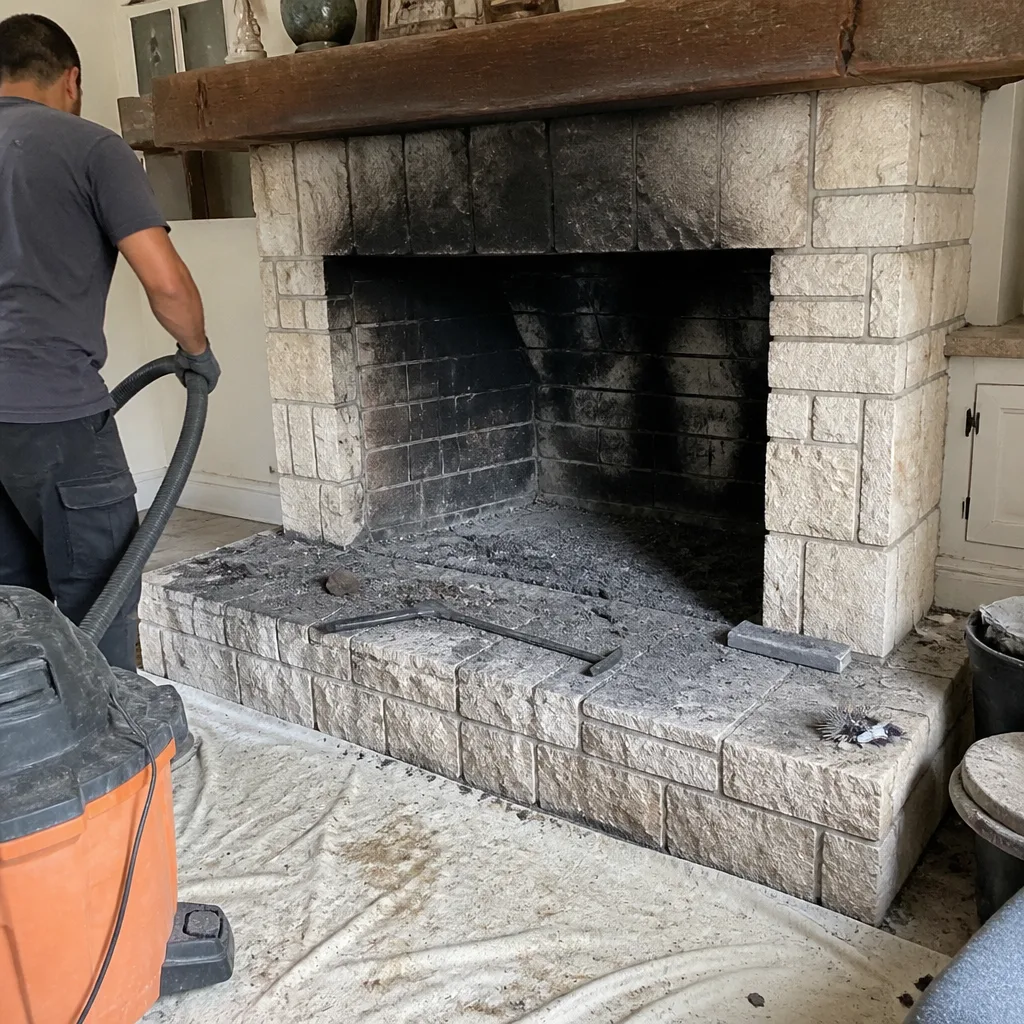 Before
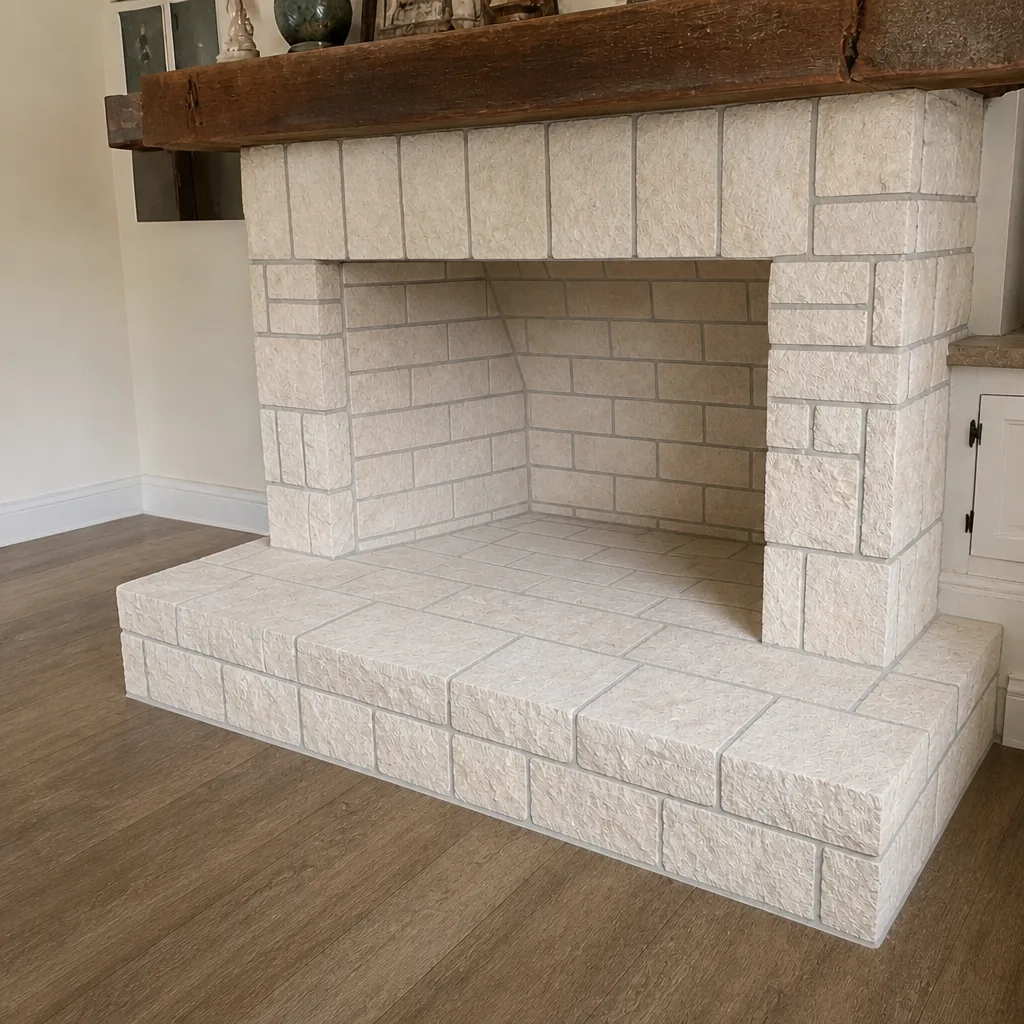 After
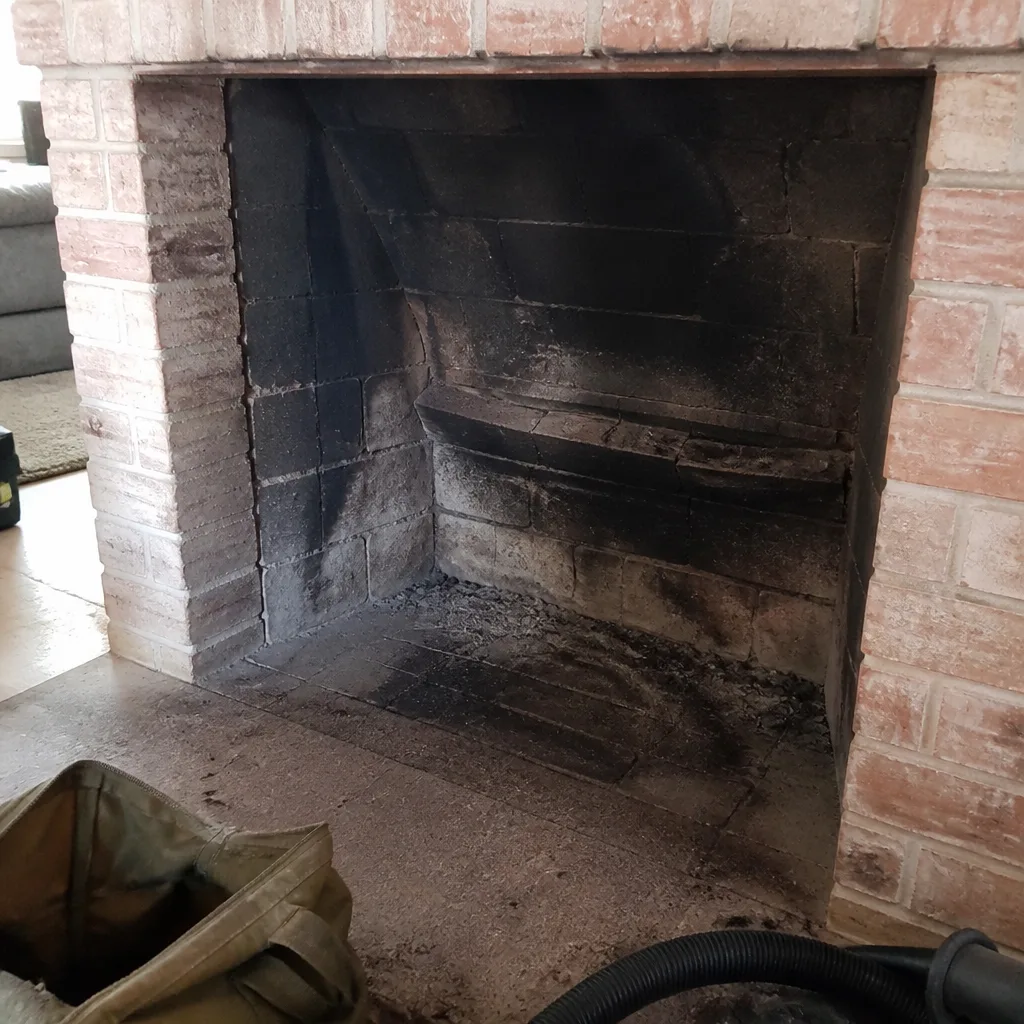 Before
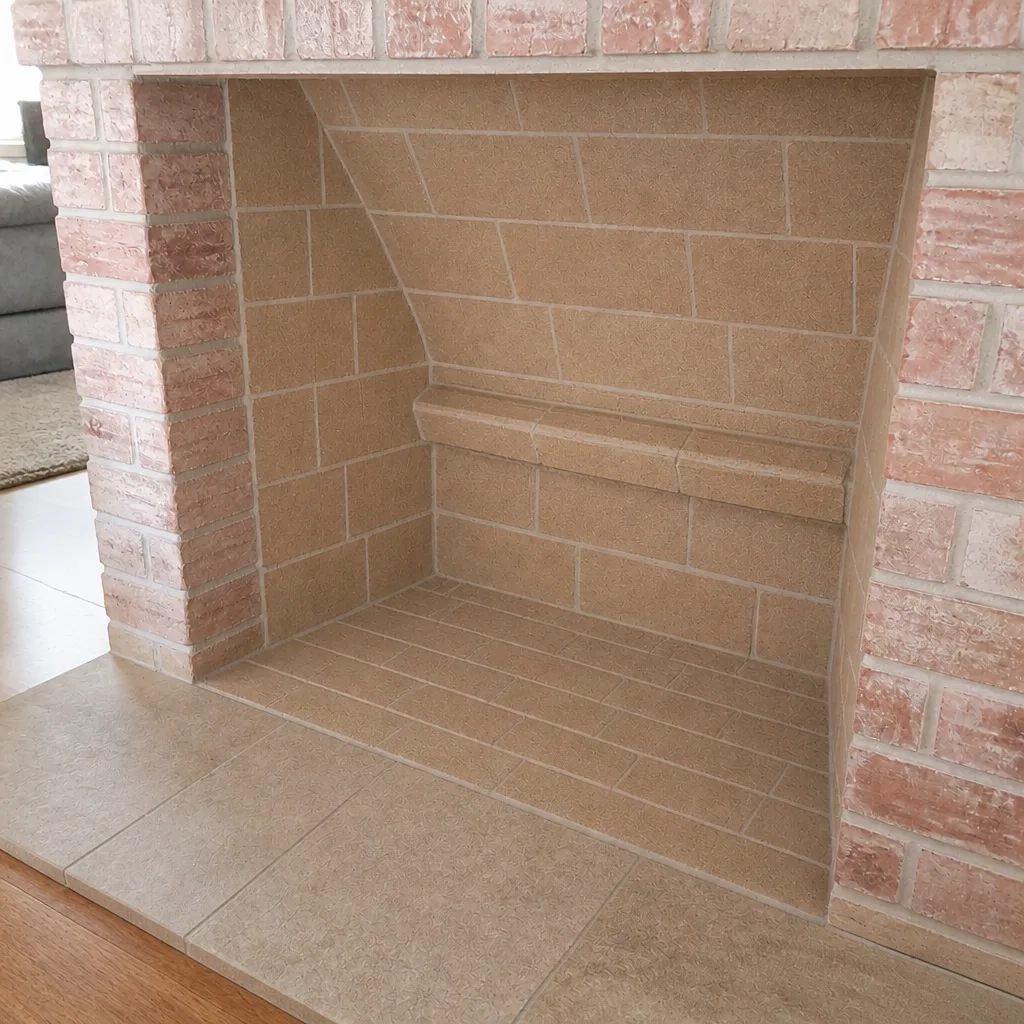 After
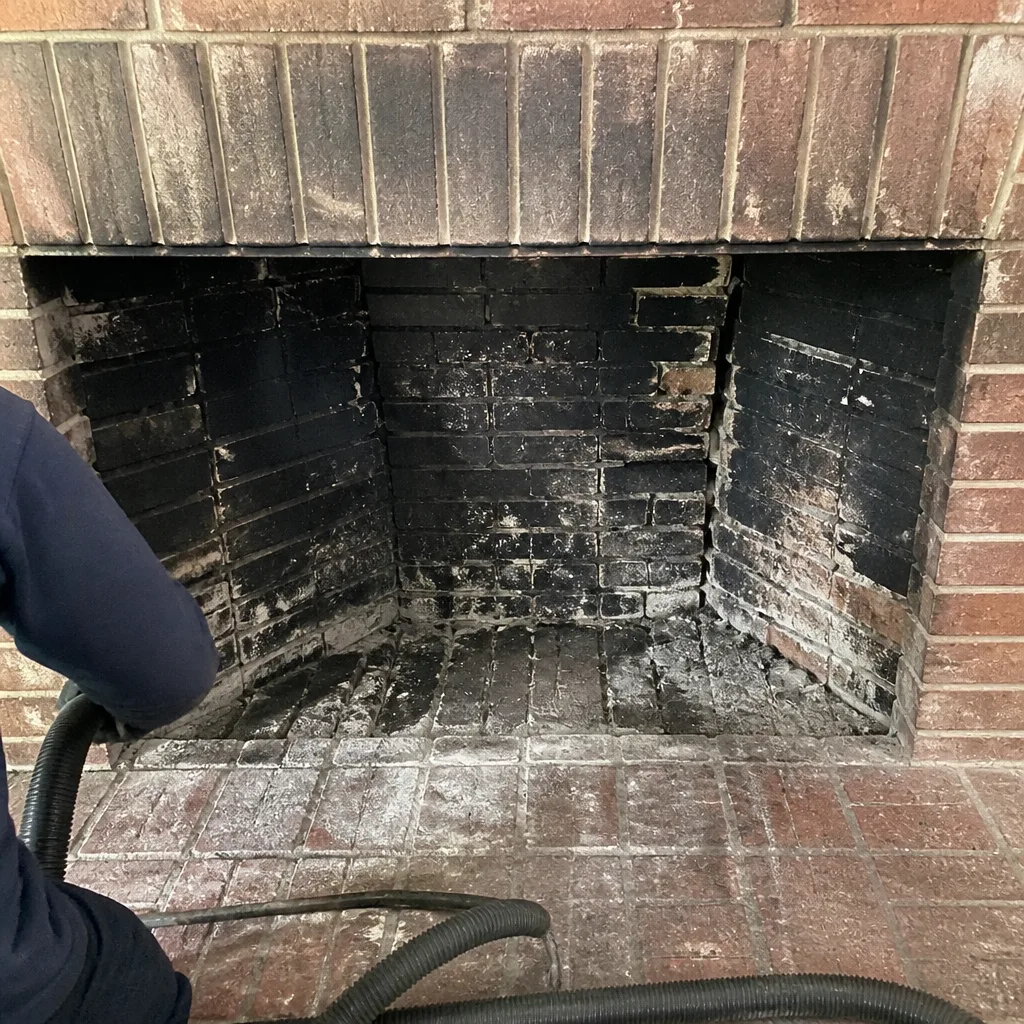 Before
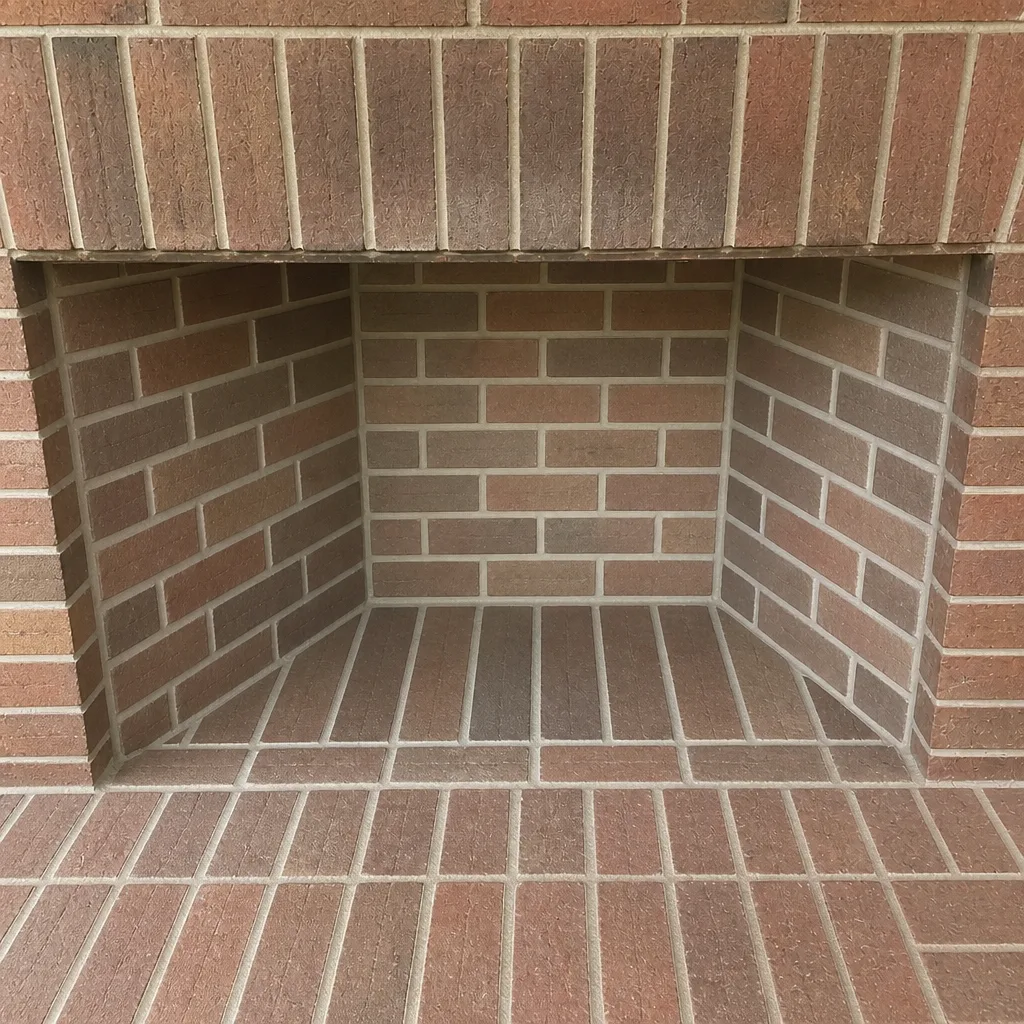 After
Frequently Asked Questions
For a homeowner who burns most of the season, an annual sweep and inspection is the standard advice, and it’s especially useful before the burn season starts. If you burn only occasionally and your chimney was recently inspected and found sound, you can stretch the interval. The honest answer depends on your burn frequency and the condition of the chimney, and an inspection is what tells you which applies to you.
You can sweep your own chimney if the flue is straight, the deposits are light, the chimney was professionally inspected within the last year or two, and you burn only occasionally. In that specific situation, a careful DIY sweep is a reasonable stopgap. Outside that set of conditions, the cleaning alone doesn’t tell you whether the chimney is safe to use.
You need a new liner if the liner is cracked, spalled, corroded, or no longer properly contained, and that’s a determination made by inspection, not by a sales call. HeatShield flue resurfacing is often a real alternative to a full reline or a rebuild, and we’ll show you what we find with photos and a written report so you can see the condition for yourself. If the liner is sound, we’ll say so.
Creosote builds up with every fire, and heavier deposits raise the risk of a chimney fire. A blocked or partially blocked flue also increases carbon monoxide risk, because exhaust has nowhere to go. The mild local climate means many Costa Mesa fireplaces get a lot of use, and that’s exactly the condition where neglecting a cleaning catches up with you.
Most policies don’t require a professional sweep, and a DIY sweep isn’t automatically excluded. The problem is at claim time: a professional sweep leaves a written report documenting what condition the chimney was in, and a DIY sweep leaves very little. We can’t speak for your specific policy, but the documented service history is the thing you have with a professional inspection and don’t have without one.
We can handle the repair on the same visit or a follow-up appointment. The technician who inspects the chimney is the same trade professional who does the fireplace repair, the liner work, or the cap and crown installation, so there’s no referral to a second company. One inspection, one set of findings, one company that can act on them.
The Bottom Line
DIY chimney cleaning isn’t irresponsible, but it covers only the cleaning half of what a professional service actually does. A brush removes a specific type of deposit. It can’t identify a cracked liner, a failing crown, or a smoke chamber condition, and those are the findings that matter for safety and for insurance. The decision comes down to four variables: burn frequency, chimney age, last inspection date, and appliance type. If all four point to occasional use on a newer, straight flue, you can reasonably handle the brush. If any one of them points to a riskier condition, a professional sweep is the right call. The written report, the material traceability, and the repair capability on the same visit are what you get for the difference.
Ready to get a clear answer on your own chimney? Costa Mesa Chimney Sweep Pros connects Costa Mesa homeowners with an independent local professional who assesses the chimney, shows you what they find, and can do the repair the same visit. The estimate is free, and the price is set per job by the written estimate. Call (877) 792-5891 to schedule. We answer 24/7. Fast dispatch from 7am to 7pm, Sunday through Friday. You can also learn more about Costa Mesa Chimney Sweep Pros and the full scope of service before you call.
Written by the team at Costa Mesa Chimney Sweep Pros.