
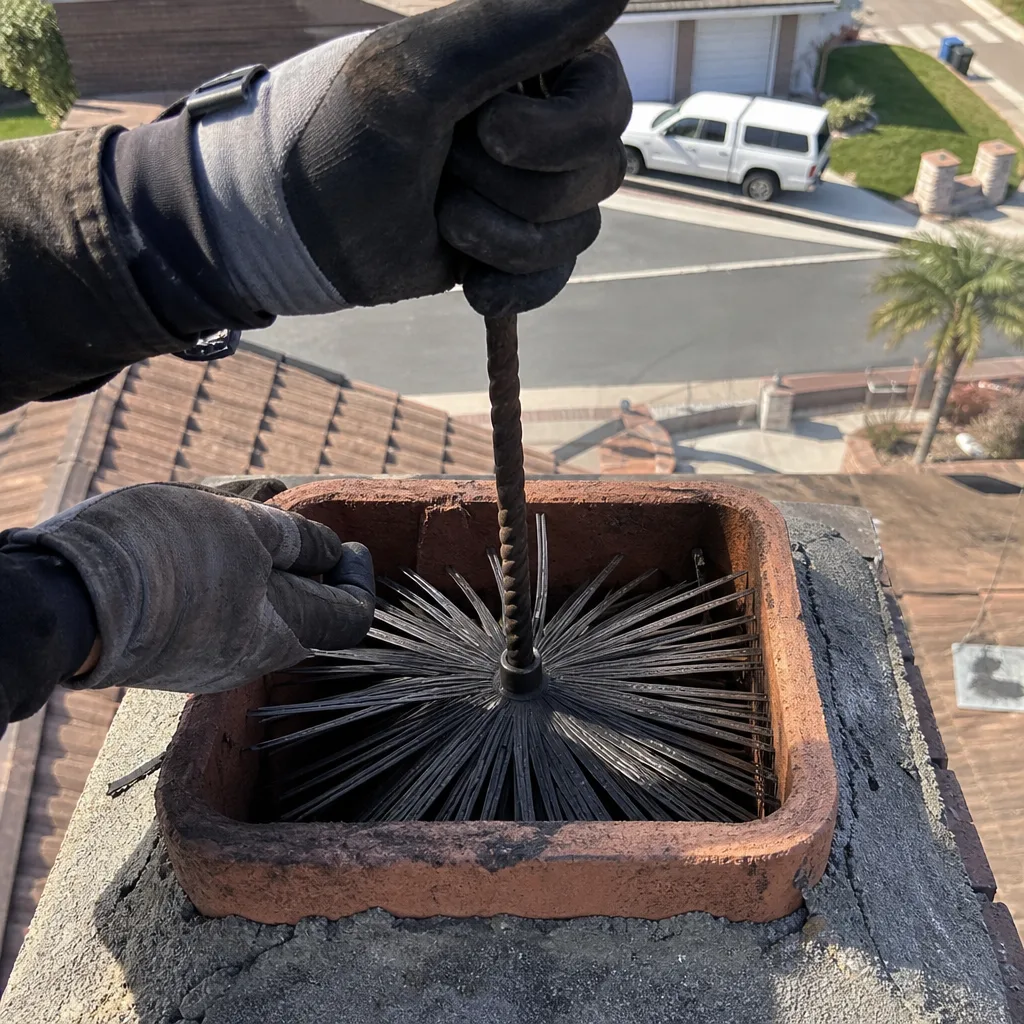
Last updated November 25, 2026
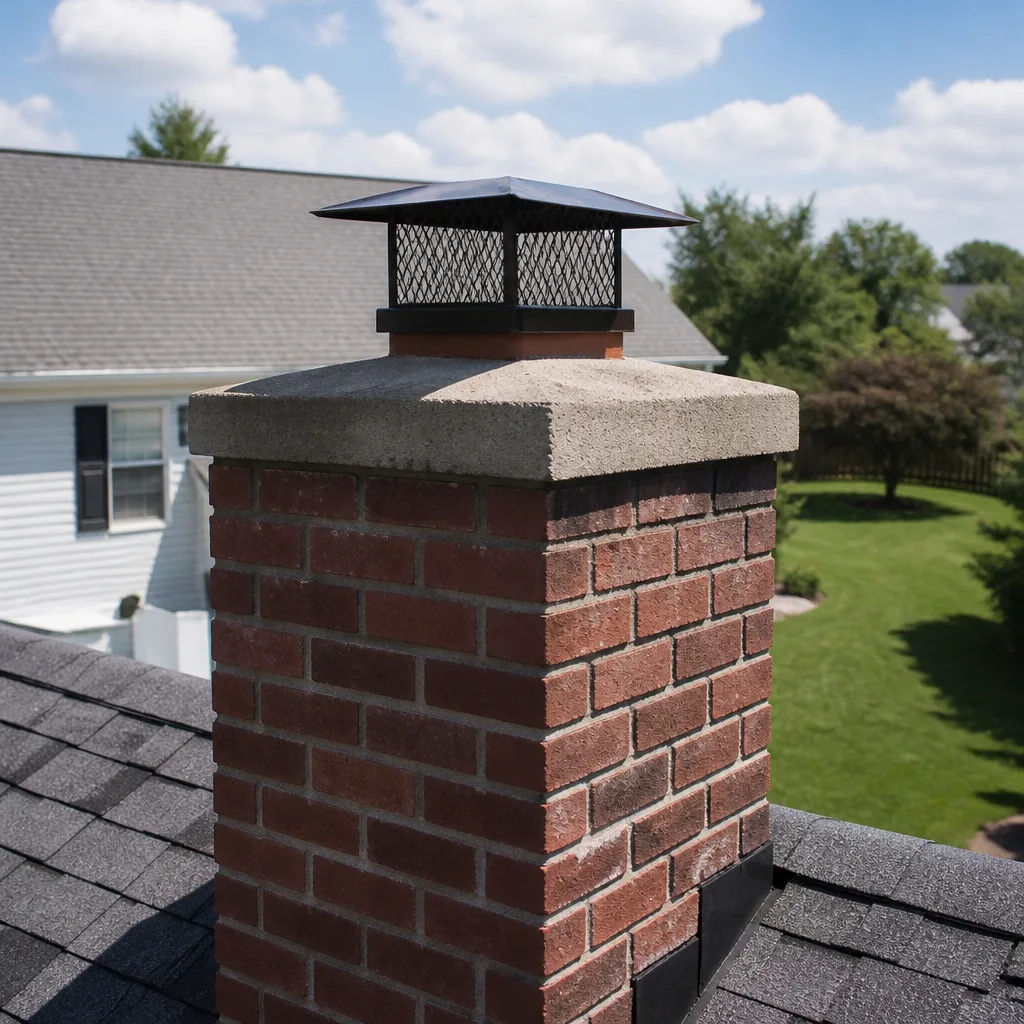 Sweep & inspection
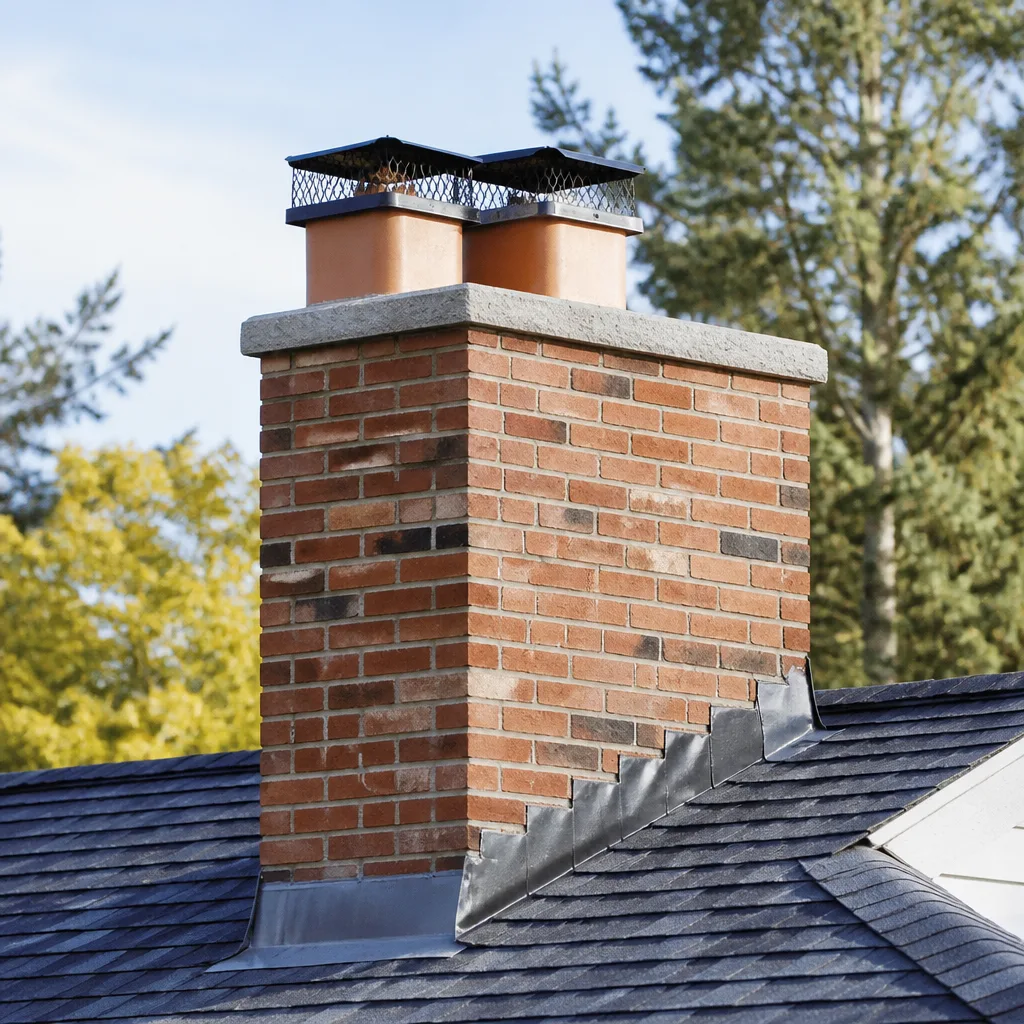 Caps & crowns
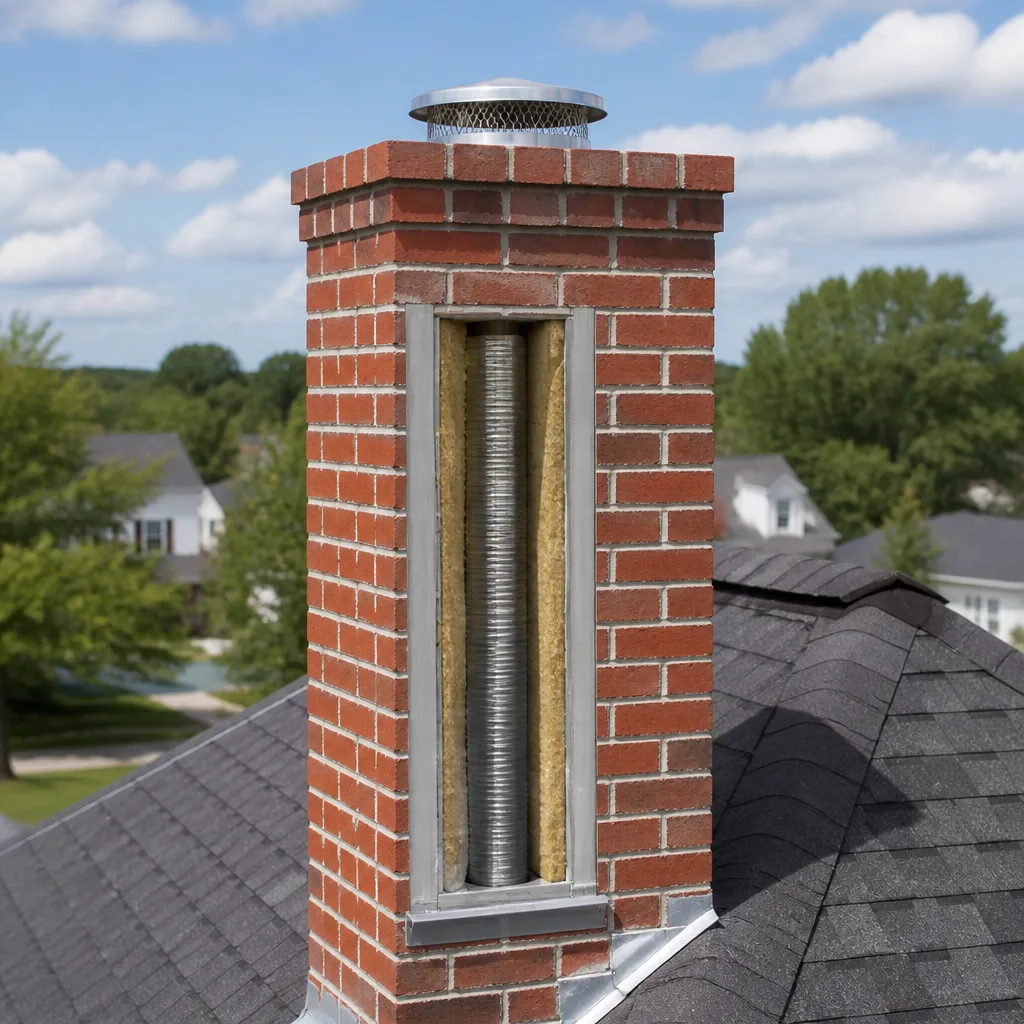 Flue relining
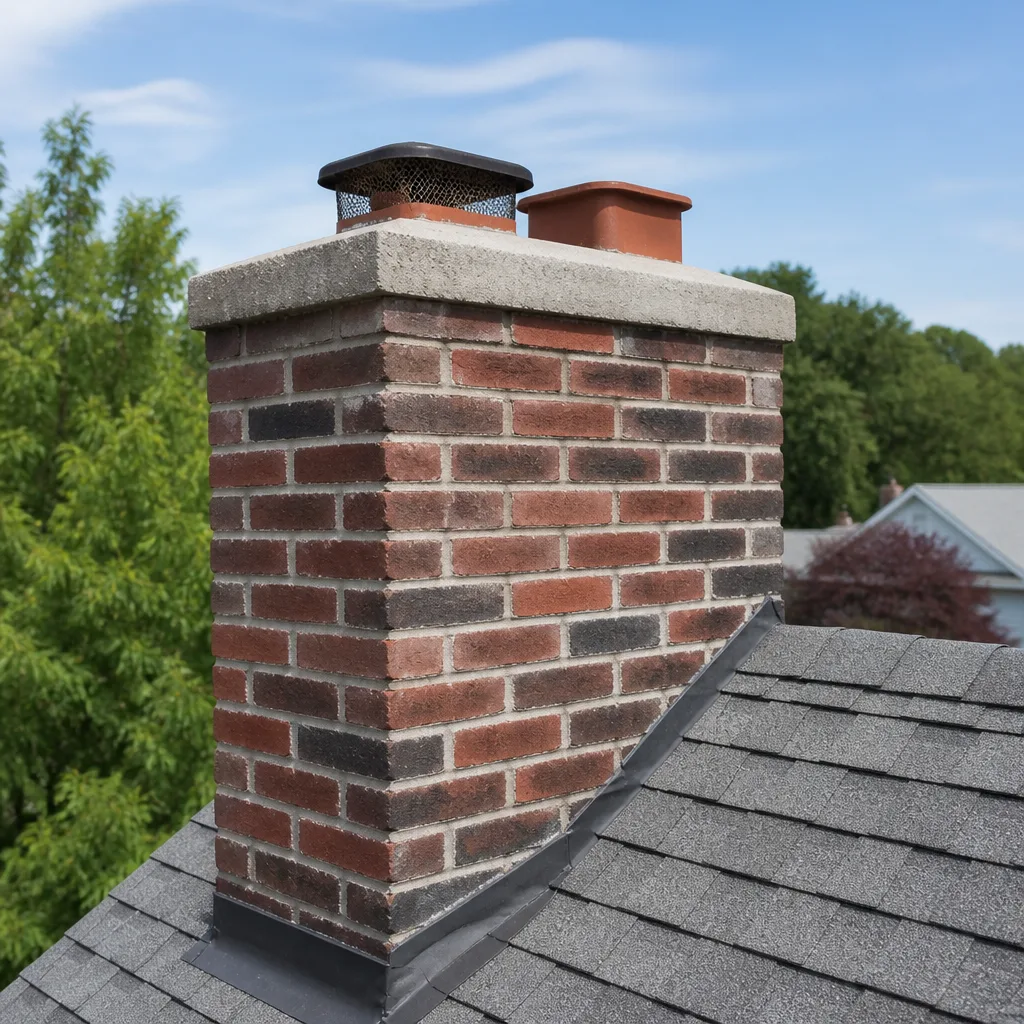 Masonry repair
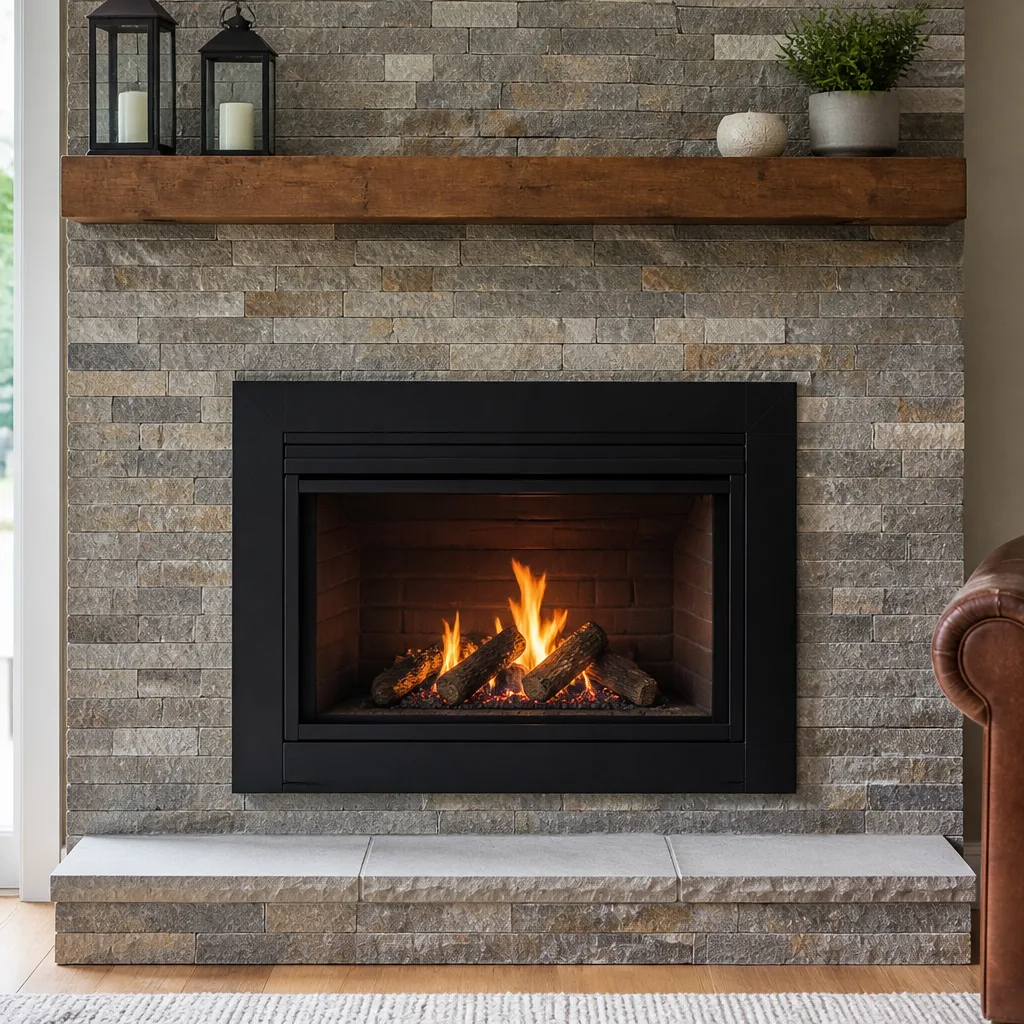 Gas fireplace service
Level 1 sweep and inspection to the NFPA 211 annual standard - flue, crown, cap, and flashing checked and photographed
Chimney sweep logs do not sweep chimneys. They loosen some creosote - which then falls where a brush and vacuum still have to collect it.
How to Hire a Chimney Cleaning Contractor in Costa Mesa: A Step-by-Step Guide
Here’s the part of hiring a chimney sweep that surprises most homeowners: California doesn’t require a state contractor’s license for cleaning-only chimney work. That means the person on your roof may have nothing more than a brush and a business card, and there’s no state board to check them against. The credential that actually separates a qualified sweep from a handyman with a ladder is CSIA certification, backed by an insurance certificate with your address on it. This guide walks you through exactly what to ask, what documents to request, and how to read a quote so you can tell a real chimney contractor from a generalist in Costa Mesa.
Quick Answer
To hire a chimney cleaning contractor in Costa Mesa, verify three things before you book: current CSIA certification, a commercial general liability insurance certificate naming you as additional insured, and a written scope of work that includes a camera inspection and photo report. Ask what brands the contractor uses for any repair work, and get the final price in a written estimate before anyone touches your flue. The best sweep is the one who can also show you what they found, explain it plainly, and fix it without handing you off to a third party.
Styles & brands we work with
- Sweep & inspection
- Caps & crowns
- Flue relining
- Masonry repair
- Gas fireplace service
Table of Contents
- What credentials should a Costa Mesa chimney sweep actually have?
- CSIA vs. NFI certification: what each one signals
- How to request and read insurance documents
- Red flags in chimney sweep quotes
- How to read and compare written estimates
- What to ask about materials if repairs are recommended
- Why scope language protects you
- Costa Mesa specifics: climate, housing stock, and scheduling
What credentials should a Costa Mesa chimney sweep actually have?
Start with the certification bodies. A chimney sweep who has gone through formal training can show you a certificate from a recognized organization, and you can verify it directly with that organization rather than trusting a logo on a website. Certification isn’t a license, but it’s the closest thing this trade has, and it tells you the technician has been tested on the equipment, the hazards, and the standards.
The three credentials that matter most:
- CSIA certification – issued by the Chimney Safety Institute of America. This is the baseline credential for any professional sweep. CSIA-certified sweeps are tested on inspection standards, safety codes, and cleaning methods, and certification has to be maintained over time.
- NFI certification – issued by the National Fireplace Institute. This signals specialized training on fireplace and venting systems themselves, not just cleaning. Useful when your job involves a gas insert, a wood stove, or a pellet appliance.
- Manufacturer certifications – for specific repair systems. HeatShield resurfacing, for example, requires a certified applicator. If a contractor offers to resurface your flue, ask for the manufacturer certification for that product.
In our experience working chimneys across Costa Mesa, the difference between a CSIA-certified sweep and an uncredentialed one isn’t just paperwork. A certified tech reads a flue the way a mechanic reads an engine. They know what a damaged crown looks like from the ground, they know which cracks are cosmetic and which one is a problem, and they can tell you what stage of failure a flue is in without guessing. An uncredentialed sweep tends to clean and leave, and whatever’s happening inside the chimney goes unexamined.
Ask any contractor you’re considering for the certification number and the issuing body. Then verify it with that body. A real credential holds up to a two-minute check.
CSIA vs. NFI certification: what each one signals
These get confused often, and the distinction matters when you’re deciding who to let inspect your fireplace. CSIA trains on the chimney itself: the flue, the firebox, the venting system, safety codes, and inspection standards. NFI trains on the appliance: how gas, wood, and pellet systems are installed, vented, and maintained. A sweep with both credentials covers the whole system, chimney and appliance together.
Here’s the practical version:
- If you burn wood and need a routine sweep, CSIA is the credential you want to see first.
- If you have a gas fireplace, insert, or stove, ask about NFI training in addition to CSIA.
- If a repair has been recommended, ask for the manufacturer’s certification for the specific product being installed. A sweep who cleans well doesn’t automatically know how to apply HeatShield or install a liner correctly.
- If the contractor holds no credential at all, that’s a signal your chimney is about to get a brush, not an inspection.
A certification doesn’t tell you everything about a contractor, but its absence tells you quite a lot. The chimney trades rely on voluntary credentials precisely because the state doesn’t mandate them. When a Costa Mesa chimney sweep has invested in training and certification, that’s the closest signal you’ll get that they take the work seriously.
How to request and read insurance documents
Ask for a certificate of insurance before booking the appointment, and ask for it as a document, not a verbal yes. The certificate should show commercial general liability coverage, an active policy period, and the name and contact information for the insurance carrier. Verify the certificate’s effective dates cover the date of your scheduled work.
What the certificate should actually say:
- Commercial General Liability (CGL) – this is the coverage that protects you if the technician damages your roof, chimney, or home during the visit. General liability is the minimum, not the maximum.
- Your address listed as additional insured – ask the contractor to have their carrier add your property address as additional insured for the date of service. This puts you in the coverage loop if something goes wrong, rather than leaving you to chase a claim from the outside.
- Active policy dates – a certificate with lapsed dates is worse than no certificate, because it looks like proof when it isn’t.
- Carrier contact information – a legitimate certificate lists the issuing carrier so you can call to confirm. Ask the contractor for a phone number to verify coverage if you’d like to.
Roof work is real risk. A technician on a ladder above your chimney can fall, drop a tool, damage shingles, or cause cracks in a masonry crown that don’t show up for weeks. Insurance is what covers those situations. When you call a contractor through a service like ours, the local pro is licensed and insured as their state requires, and we’ll walk you through the documents so you know what you’re looking at. Ask the question directly. If the contractor hesitates or sends you a screenshot instead of a certificate, that’s a signal.
Red flags in chimney sweep quotes
Some chimneys are fine. Some need work. The way to tell the difference is documentation, not pressure. The warning signs below are common across the trade, and they’re especially worth watching for in a market like Costa Mesa where the residential housing stock ranges from mid-century ranch homes to newer builds, and a lot of chimneys are original to the structure.
Watch for these:
- Vague scope language. A quote that says “chimney cleaning” with no line items is not a scope of work. Ask what’s included: which appliance, which flue, whether a camera inspection is part of the visit, and whether the camera report is written or verbal.
- No written inspection report. Every legitimate sweep should hand you a written summary of what they found, with photos. If they can’t or won’t put it in writing, you have no record to compare against next year.
- Upsell pressure during the visit. A sweep who finds a problem mid-service and insists you approve thousands of dollars of work on the spot is a sweep worth pausing on. Ask for the camera evidence and take a day to think about it. Real repair work does not need to be approved in your kitchen on a Tuesday.
- A quote with no photos. If line items reference “damaged flue,” “cracked crown,” or “failed liner,” there should be images showing exactly that. Without them, you can’t verify what you’re paying for.
- Different technicians for inspection and repair. If the person who inspects hands you off to a different company for the fix, you’ve lost the continuity. A dedicated chimney contractor handles both.
- Liner pricing that mirrors a rebuild. Flue restoration via HeatShield, for example, is often a fraction of a full reline and a fraction of a rebuild. If a sweep quotes a rebuild without exploring resurfacing first, ask why.
- No brand names. A quote that doesn’t specify DuraFlex, Olympia Chimney, Copperfield, or HeatShield is a quote for something anonymous. Materials matter, and the name brand on the components matters when it’s time to file a warranty claim.
The pattern in all of these is opacity. A contractor who documents their work and prices it line by line has nothing to hide. The one who offers high pressure and no paper is the one to slow down with.
How to read and compare written estimates
A good chimney estimate has a structure. When you get two or three in front of you, the ones with the same line items are easier to compare than the ones that are two paragraphs of general prose. Here’s what every complete chimney estimate should contain:
- Appliance and flue specifics. The estimate should name the fireplace or stove type (wood-burning, gas insert, masonry, factory-built) and which flue is being serviced. Multi-flue homes exist in Costa Mesa, and “chimney” is not specific enough.
- Sweep scope. What’s being cleaned, what tools are being used, and whether the firebox and smoke chamber are included. A chimney sweep service should cover more than the flue.
- Inspection level. Was inspection part of the visit? Was a camera used? Was the report written and photographed? “Visual inspection” alone is a weak signal; camera inspection with a photo report is the standard.
- Repair line items with materials specified. If anything’s being repaired, the line item should name the product: HeatShield resurfacing, a DuraFlex liner, an Olympia Chimney or Copperfield cap. Ask for the product type and any manufacturer certification.
- Explicit exclusions. What the estimate does not cover is as important as what it does. Masonry rebuilds, crown replacement, and liner work are separate scopes and should be flagged as such.
- Written final price. The estimate is the final price. If a contractor says “that’s a rough number,” ask them to commit to a written figure before work begins. A price that shifts on the day of service is an estimate in name only.
Compare quotes against the same scope, not the bottom line alone. A quote that’s $150 lower because it skips the camera inspection isn’t cheaper; it’s a lighter job. The most useful comparison you can make is across identical line items with identical inspection standards.
What to ask about materials if repairs are recommended
This is where the trade separates. A sweep who finds a problem should be able to name the product they intend to install, who makes it, whether they’re certified to install it, and how the warranty works. If any of those answers is fuzzy, you’ve found a contractor who doesn’t do this work often enough to know it well.
The products worth knowing:
- HeatShield – a ceramic-based flue resurfacing system that repairs damaged flue liners from the inside. Applied by a certified technician, it can restore a compromised flue without a full reline or rebuild. If your sweep recommends a rebuild without mentioning HeatShield as an option, that’s worth a second opinion.
- DuraFlex – flexible stainless steel liner systems, the industry-standard material for relining a flue. A DuraFlex liner comes with a specified alloy grade and a warranty, both of which you should see in the estimate.
- Olympia Chimney, Copperfield, Gelco, Famco – chimney caps and crowns from professional-grade manufacturers. Cap and crown work is where water intrusion gets solved, and material matching to your specific chimney configuration matters. A one-size cap from a general supply house isn’t the same product as a system matched to your flue.
Ask specifically: “Which brand are you installing, and are you certified by that manufacturer?” Brands aren’t marketing in the chimney trade, they’re the components. A DuraFlex liner, a HeatShield application, and a Copperfield cap each carry warranties that can be traced to a manufacturer. Anonymous off-brand parts don’t.
One more thing to check: whether the contractor doing the inspection is the same one doing the repair. When a sweep inspects and a different company fixes, you’ve lost the chain of responsibility. A contractor who handles the sweep, spots the problem, and fixes it on the same job has every incentive to get it right the first time. If you need a repair scope worked up, it’s a short step from the sweep to chimney repair, and it can often be walked through in the same conversation.
Why scope language protects you
Scope creep in chimney work looks like this: you book a sweep, the technician finds “a small crack,” and by the time you’re done you’re being quoted for a liner, a crown, and a cap you didn’t ask about. Some of those repairs might genuinely be needed. But the way to tell the difference is whether the contractor showed you the evidence for each one and priced it separately.
Three habits protect you:
- Every recommended repair gets its own quote. Not a bundled “chimney package.” One line item per issue, with a photo attached.
- The estimate matches the visit. If the estimate references work that wasn’t in the original scope, ask why it wasn’t caught at the time of booking.
- You get a written decision window. You should be able to say “let me think about it” without the price changing. Any contractor who tells you the price is only good today is not selling you a real estimate.
There are chimneys in Costa Mesa where the honest answer is “you don’t need anything right now.” That’s a perfectly good result. The mark of a contractor worth hiring is being willing to tell you when work can safely wait. If a sweep can explain the difference between a crack that needs watching and a crack that needs fixing, that’s the sweep you want.
Costa Mesa specifics: climate, housing stock, and scheduling
Two things shape chimney work in Costa Mesa. The first is the climate: our winters are mild, which means fireplaces here get used for ambiance and evening warmth far more than for whole-house heating. That’s easier on the firebox, but it’s harder on the chimney, because fires lit periodically rather than steadily create more creosote buildup per fire. Light and infrequent use leaves more unburned material in the flue than steady burning does.
The second is housing stock. Costa Mesa has a mix of single-family homes, many of them built between the 1950s and 1970s, along with newer construction near the edges of town. Mid-century chimneys are often masonry, and masonry chimneys in this climate need periodic inspection because the wet season and the dry season stress the mortar joints and the crown differently than in climates with consistent humidity. A crown that’s lasted decades can start cracking from ordinary seasonal movement. A cap that’s come loose will let water in behind it, and once water is behind the crown, the repair scope grows fast.
Neighborhoods across town see different versions of this. Homes in Mesa del Mar and the Eastside tend toward that mid-century masonry profile, while newer construction around South Coast Metro and the western edge of town often uses factory-built metal chimneys, which have their own inspection considerations. If your home has more than one flue (a fireplace plus a furnace vent, for instance), each one is a separate scope.
Schedule the sweep before the first wet weather of the season if you can. The chimney trade gets busy in the late fall and stays busy through early winter, and a sweep booked in September is easier to fit than one booked in December when the first cold snap drives every fireplace in Costa Mesa into service at once. The same goes for cap and crown work: a loose cap or a hairline crown crack is a small fix in the dry months and a bigger repair after water has had a season to get in. When the time comes to book, a chimney sweep is where most homeowners start, and that appointment is also where any repair scope gets worked up.
Common Mistakes to Avoid
- Hiring on price alone. A quote that undercuts the rest by a wide margin is often a lighter job. It probably skips the camera inspection, the written report, or the insurance, and you’ll pay for the difference later when something’s missed.
- Not requesting the insurance certificate before booking. Once the technician is on the roof, the time to check the liability coverage is gone. Get the CGL certificate with your address as additional insured before anyone shows up.
- Accepting a verbal inspection report. A write-up you can’t compare year to year isn’t a record. Insist on a written report with photos, and keep it somewhere you’ll find it next season.
- Approving a large repair on the spot. If a sweep finds a serious issue mid-visit, ask for the camera evidence and the written quote and take a day. Real chimney repairs don’t need to be decided in an hour.
- Using a generalist handyman for chimney work. Chimney problems are structural and safety-critical. A handyman with a brush can clean a flue, but they can’t certify an inspection or apply a HeatShield system or install a DuraFlex liner to spec.
- Ignoring the cap and crown. A lot of “chimney leaks” in Costa Mesa start at the crown. Getting the cap and crown maintained is cheaper than repairing water damage later, and the right system is matched to your chimney’s configuration, not pulled from a generic bin.
- Skipping the annual inspection. A sweep is the inspection. If you’re getting a cleaning without a concurrent inspection, you’re getting the brush but not the read.
- Not asking about materials on any repair. A quote without a brand name isn’t a quote for a specific product. DuraFlex, HeatShield, Olympia Chimney, and Copperfield mean something because the manufacturer’s warranty means something.
See the difference
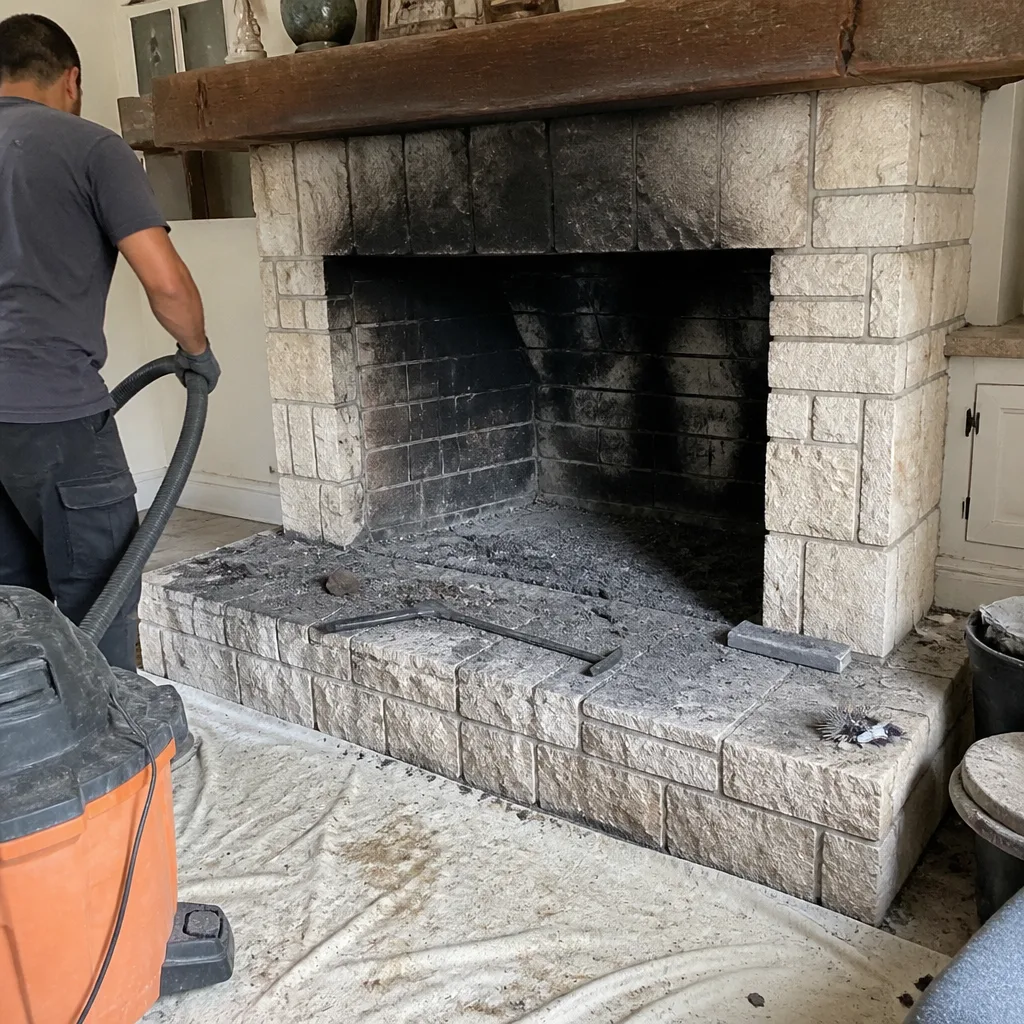 Before
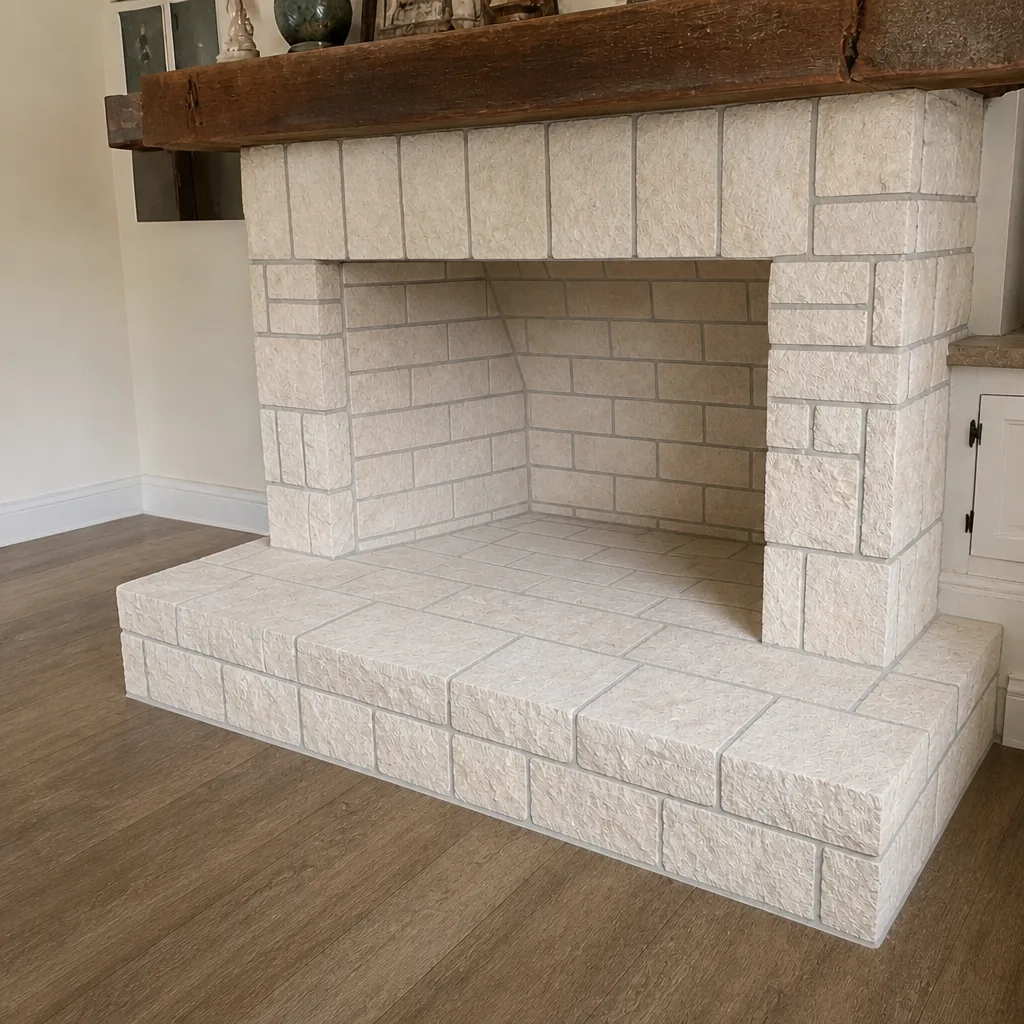 After
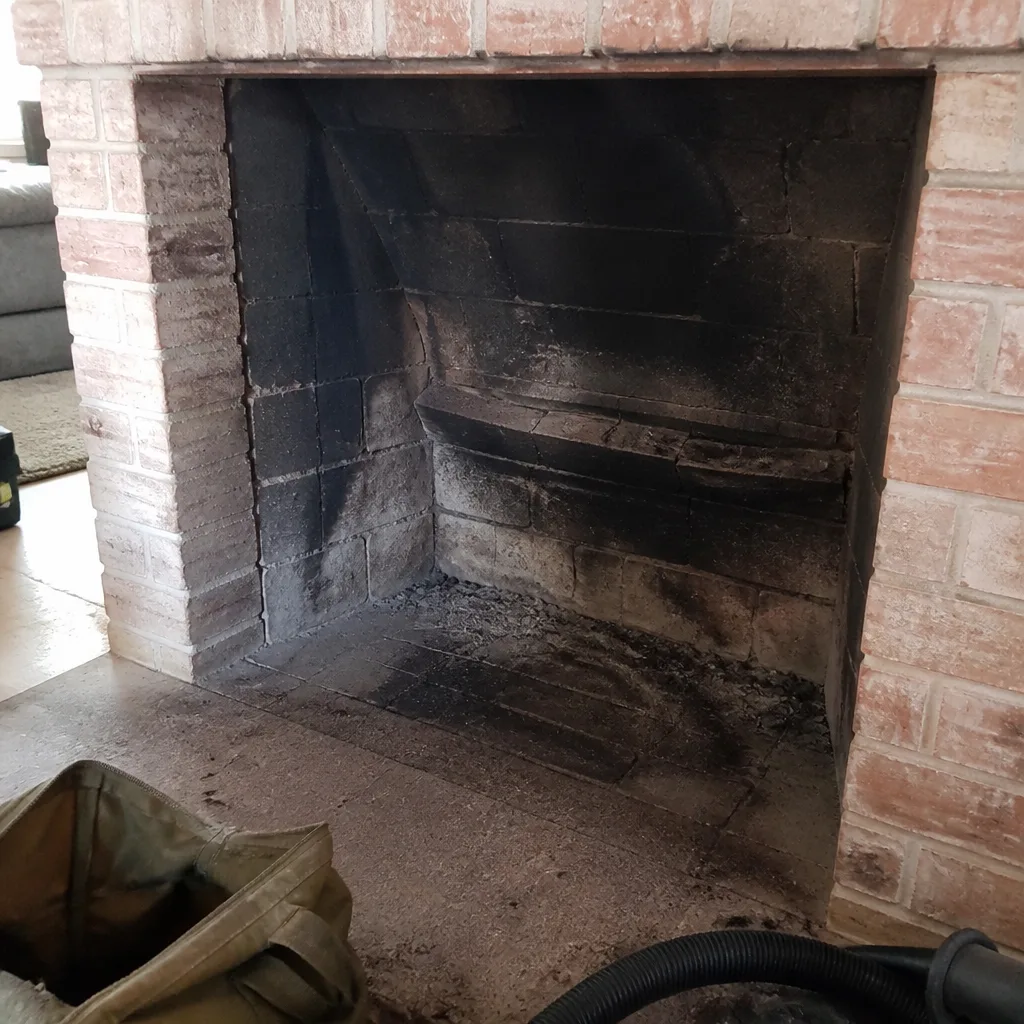 Before
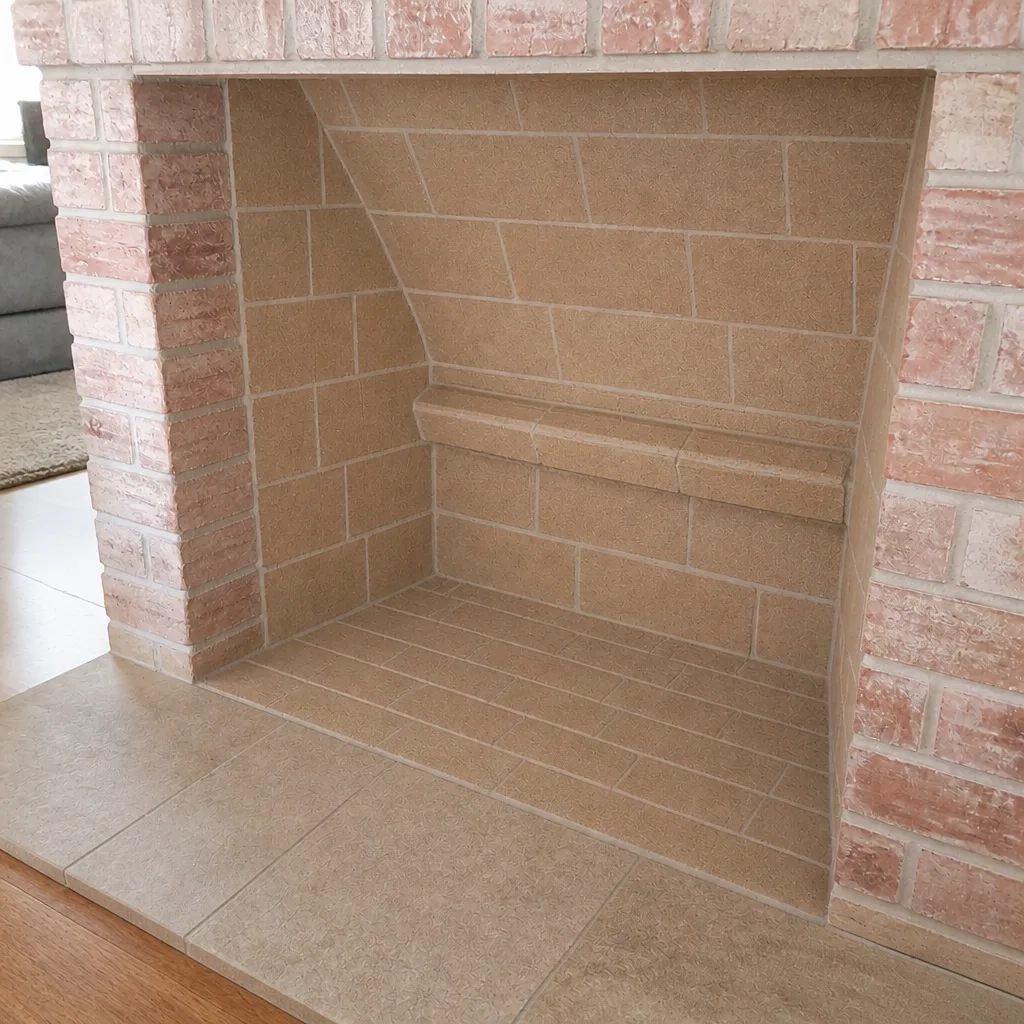 After
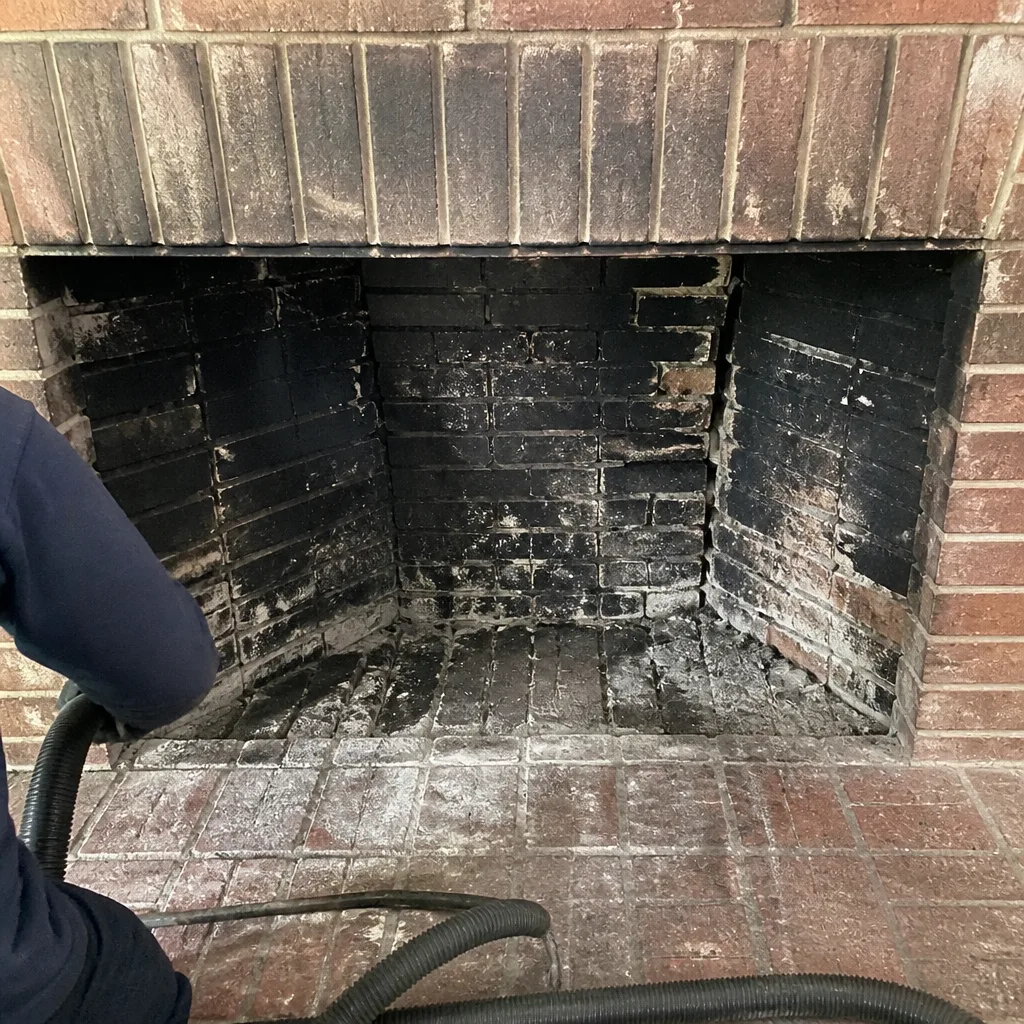 Before
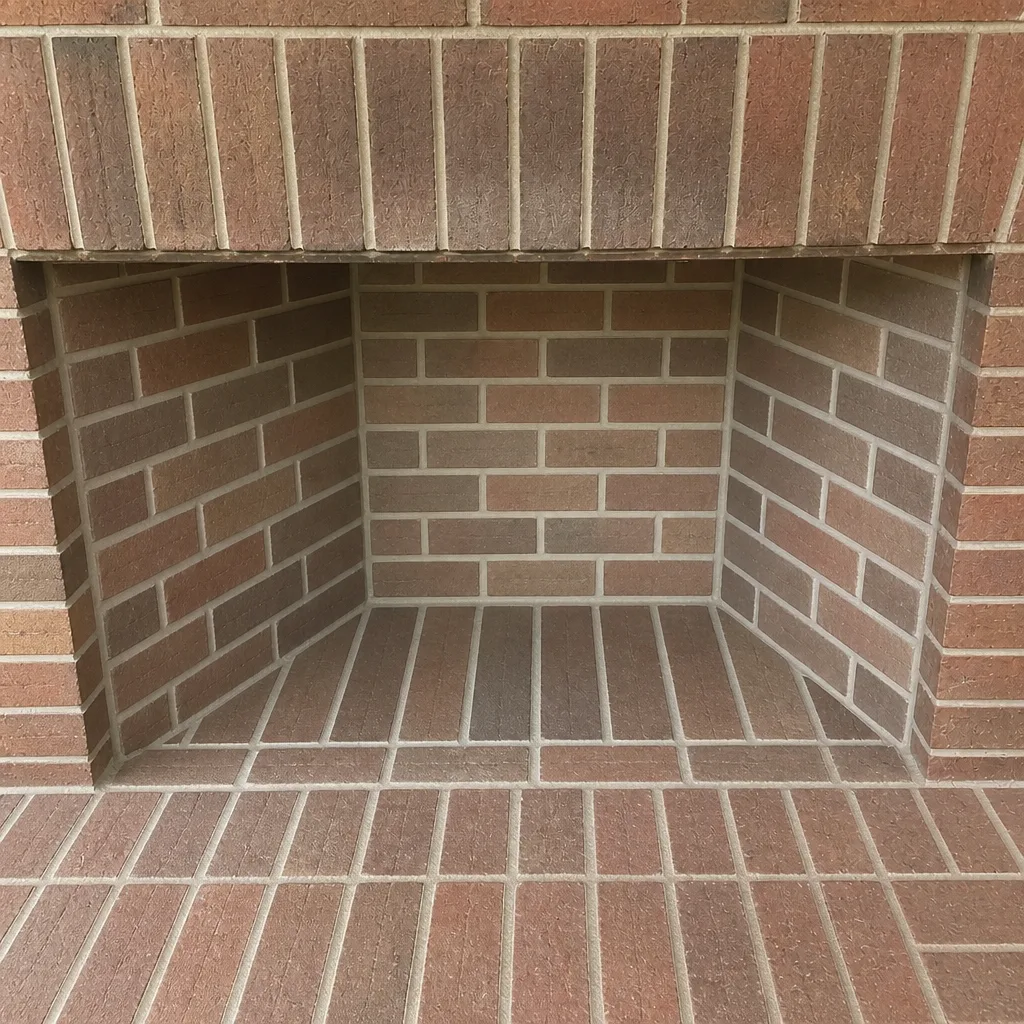 After
When to Call a Professional
You need a professional chimney sweep if it’s been more than a year since the last sweep, if you’ve burned more than a cord of wood since then, if you’re seeing smoke come back into the room, or if you smell a harsh creosote odor on warm days. Those are signs the flue needs eyes on it. Burning a fire in a chimney that’s blocked or heavily creosoted is a genuine fire and carbon monoxide hazard, and the check that rules it out is quick.
If you’re not sure whether the repair on your estimate is real, we’ll work through it with you. Costa Mesa Chimney Sweep Pros offers free estimates in Costa Mesa, and every repair recommendation comes with camera inspection and a photo report included, so you can see what we’re seeing before you decide. Call (877) 792-5891. We answer 24/7. Fast dispatch from 7am to 7pm, Sunday through Friday. Or if you want to read up first, our fireplace repair page covers the common repairs we handle.
Frequently Asked Questions
A routine chimney sweep in Costa Mesa typically runs in the low-to-mid hundreds of dollars for a single flue, and the price is set per job by the written estimate. Because California doesn’t require a state contractor’s license for cleaning-only chimney work, price alone tells you very little. Ask what’s included in the quote, specifically whether camera inspection and a written photo report are part of the appointment. A cheaper quote that skips the inspection isn’t the cheaper job. Call (877) 792-5891 for an exact quote, and estimates are free.
Only if the existing liner is actually compromised, and you should see the camera evidence before you decide. A cracked or deteriorated flue liner is a genuine carbon monoxide risk and needs addressing, but not every worn liner needs full replacement. HeatShield resurfacing can restore a deteriorated flue without a full reline in many cases, which is a cheaper and less invasive option worth asking about specifically. If your contractor recommends a full reline, ask why resurfacing isn’t an option for your flue. Call (877) 792-5891 and we’ll walk through what the evidence shows.
Once a year for most homes that use their fireplace, and more often if you burn heavily. The Chimney Safety Institute of America recommends annual inspection for every chimney, and a sweep is a natural time to get the inspection done. Homes in Costa Mesa that light fires a few dozen times a season still need the annual check, because light and infrequent burning leaves more creosote per fire than steady use does. If you’ve burned more than a cord of wood since the last sweep, don’t wait for the annual mark. Call (877) 792-5891 to book.
Creosote accumulates, and at a certain thickness it can ignite. A chimney fire is a real fire, and it can run inside the flue without the homeowner knowing it’s happening. Carbon monoxide is the second risk: a blocked or damaged flue can push exhaust back into the house rather than venting it up and out. Neither of those is a scare tactic; they’re the reason the annual inspection exists. Skipping a year doesn’t mean something will go wrong, only that you won’t know the flue’s condition. Call (877) 792-5891 and put eyes on it.
For cleaning-only chimney work, no state contractor’s license is required in California. That’s why credentials like CSIA certification and commercial general liability insurance matter more here than they would in a state with strict licensing. Ask any sweep you’re considering for the certification number, the issuing body, and a certificate of insurance with your address as additional insured. Call (877) 792-5891 if you’d like help reading the documents.
Recognized industry brands, not anonymous components. For flue resurfacing and lining, look for HeatShield or DuraFlex. For caps and crowns, Olympia Chimney, Gelco, Famco, and Copperfield are professional-grade manufacturers. If a contractor can’t name the brand, they’re not installing a product you can trace a warranty to. We name the brands we use so you know exactly what’s going into your chimney. Call (877) 792-5891 to ask about materials before booking.
The Bottom Line
The short version of hiring a chimney sweep in Costa Mesa: verify the credentials first, then compare quotes against the same scope, then ask about materials on anything being repaired. A CSIA certification, a commercial liability certificate with your address on it, and a written estimate with line items and brand names are the three things that separate a real chimney contractor from someone with a brush. A sweep who can show you camera evidence of what they found and explain when work can safely wait is worth more than the cheapest quote on your desk. For a dedicated chimney contractor in Costa Mesa who handles the sweep, the inspection, the fireplace repair, the chimney repair, and the cap and crown, call (877) 792-5891. We answer 24/7. Fast dispatch from 7am to 7pm, Sunday through Friday. Our technicians have up to 8 years of experience, and the estimate is free. You can also start at Costa Mesa Chimney Sweep Pros to see the full scope of what we do.
Written by the team at Costa Mesa Chimney Sweep Pros.