
Last updated November 25, 2026
 Sweep & inspection
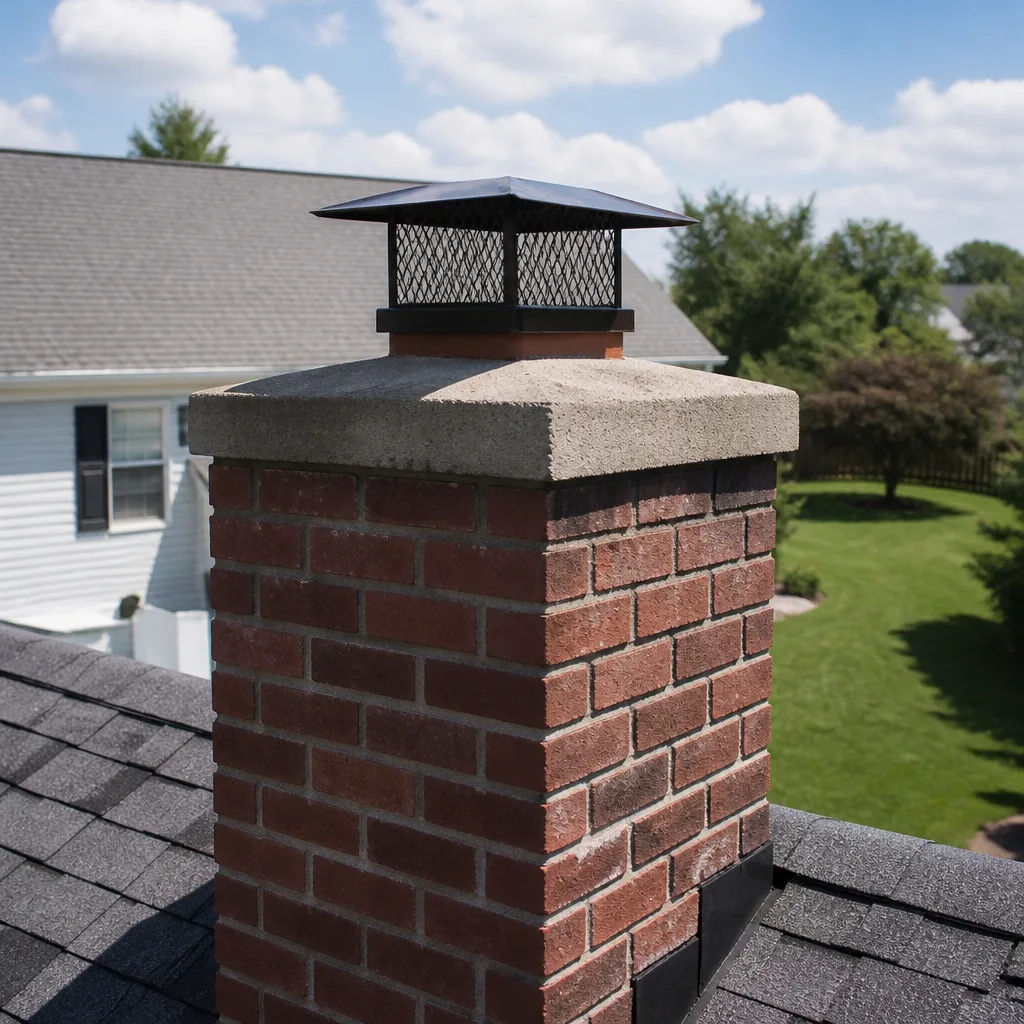
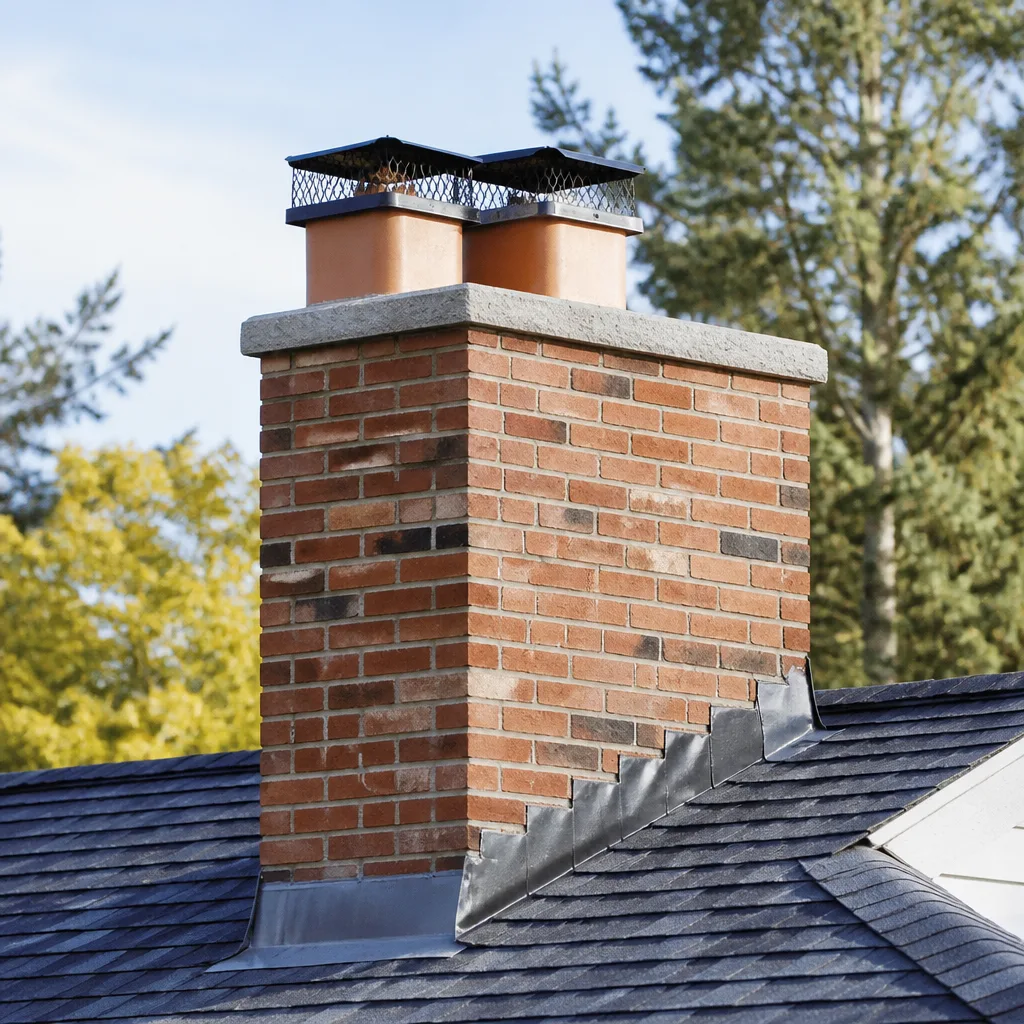 Caps & crowns
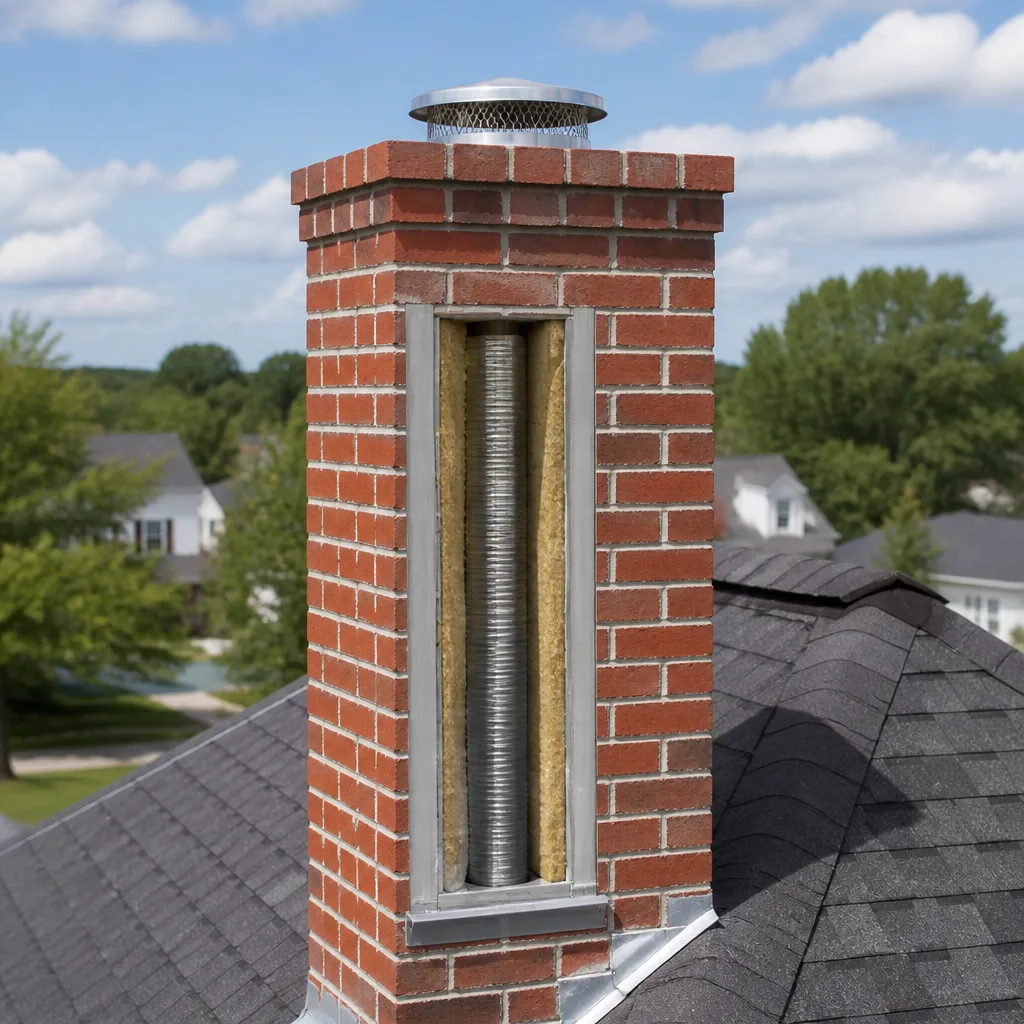 Flue relining
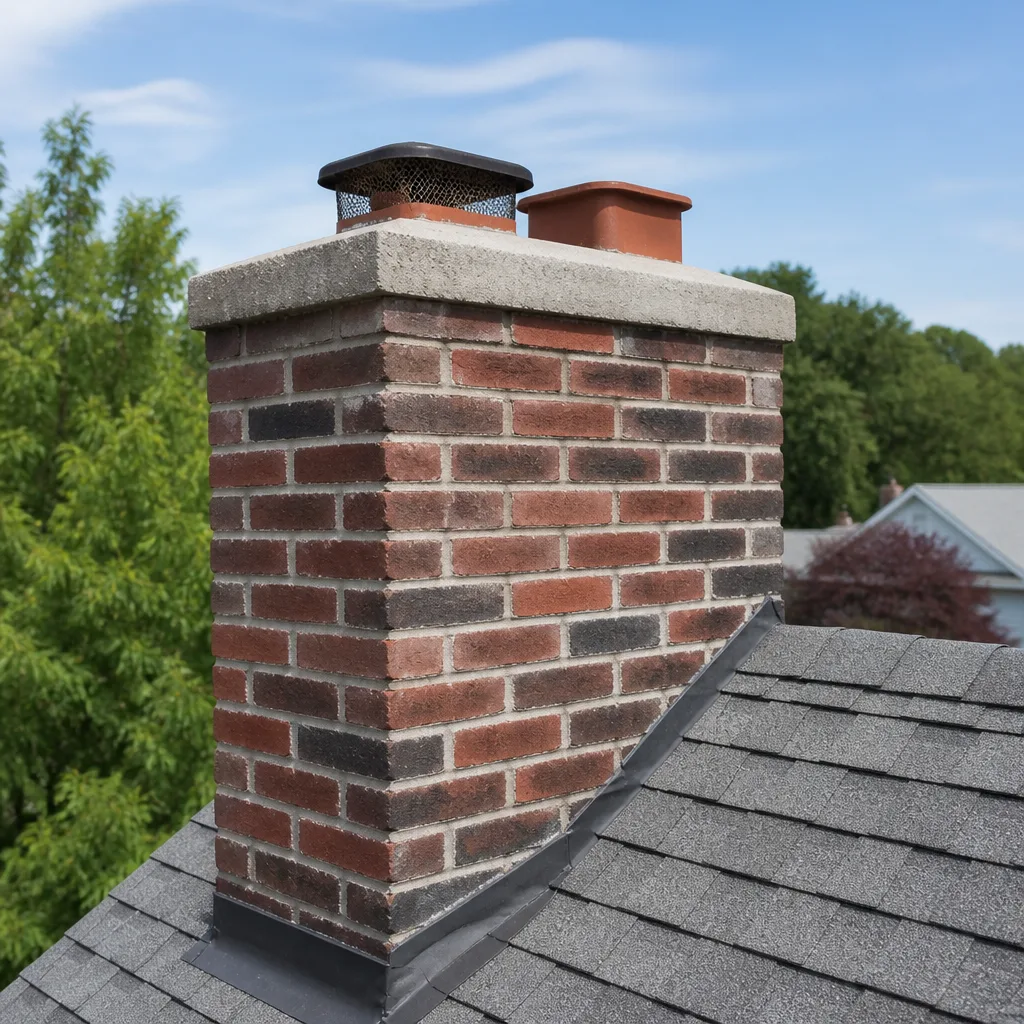 Masonry repair
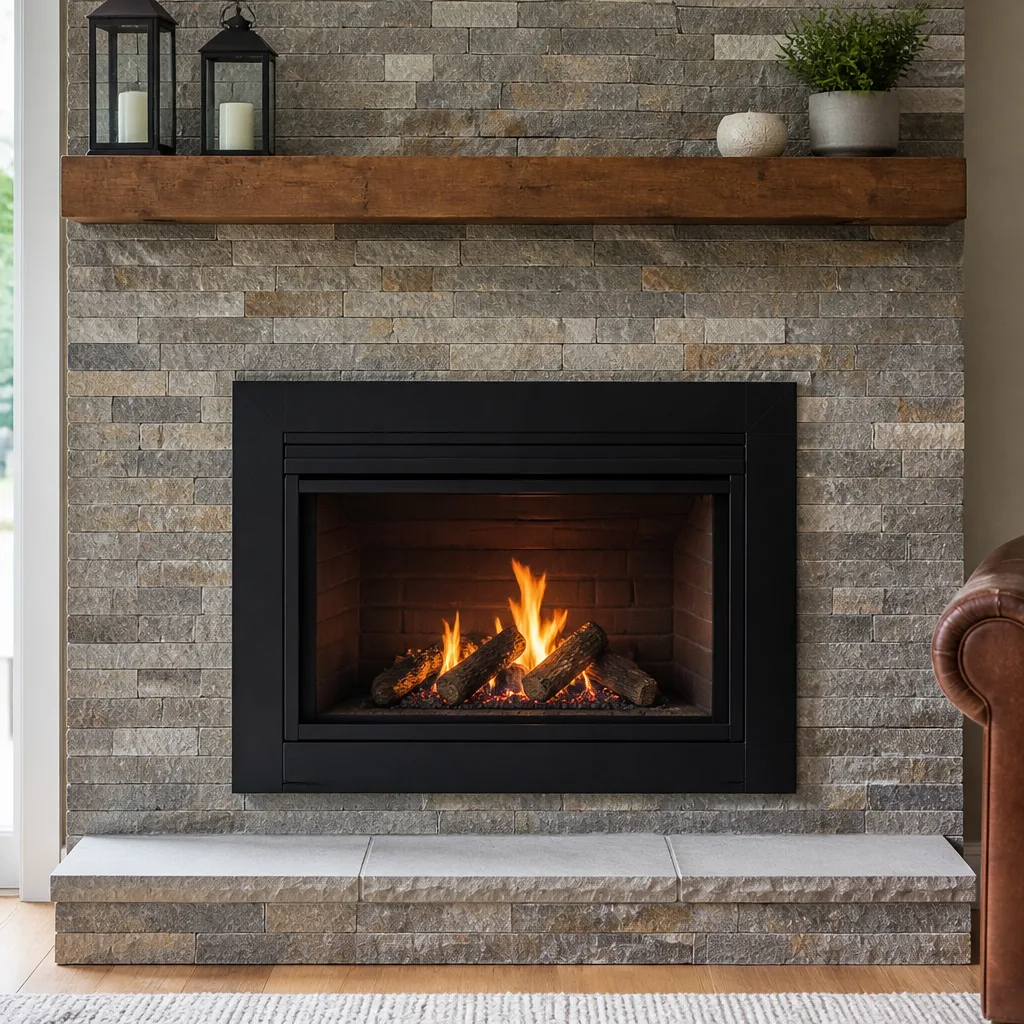 Gas fireplace service
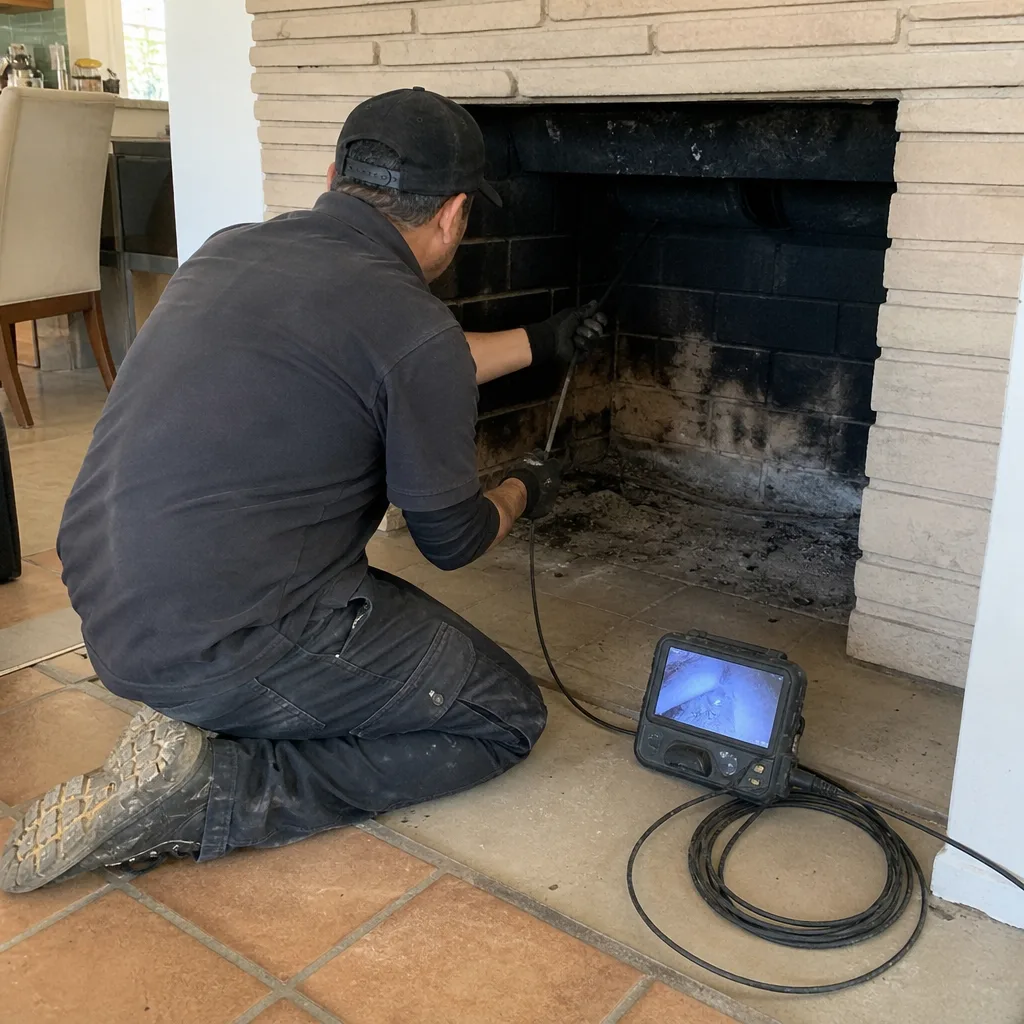
Level 1 sweep and inspection to the NFPA 211 annual standard - flue, crown, cap, and flashing checked and photographed
Chimney sweep logs do not sweep chimneys. They loosen some creosote - which then falls where a brush and vacuum still have to collect it.
Chimney Cleaning Permits, Codes & Inspections in Costa Mesa, CA: What You Need to Know
A chimney cap replacement needs no permit. A stainless steel reline of that same flue usually does, and a contractor who skips that step can leave you holding an unpermitted improvement that surfaces years later during a home sale. That gap between what feels like “chimney work” and what counts as “construction” is where most Costa Mesa homeowners get caught off guard. In this guide we map exactly where the permit line sits under California’s building code, what the City of Costa Mesa building department actually cares about, why NFPA 211 keeps coming up, and how to verify a permit was pulled instead of taking anyone’s word for it.
Quick Answer
Routine chimney sweeping and Level 1 inspections in Costa Mesa do not require a permit. A building permit is typically required once work crosses into structural territory: relining, chimney or crown reconstruction, appliance installation or replacement, and any alteration to the venting system. Permitted work must follow California Residential Code and the technical baseline in NFPA 211, and you can confirm a permit through the City of Costa Mesa’s public records before you pay a final invoice.
Styles & brands we work with
- Sweep & inspection
- Caps & crowns
- Flue relining
- Masonry repair
- Gas fireplace service
Table of Contents
- Where the Permit Line Actually Sits in Costa Mesa
- What NFPA 211 Is and Why It Matters More Than Local Ordinance
- The Three Levels of Chimney Inspection, Explained
- How Inspections Interact With a Costa Mesa Home Sale
- C-61/D-39 Licensing vs. General Contractor Scope
- How to Verify a Contractor Actually Pulled the Permit
- Why Costa Mesa’s Mild Climate Still Demands Code Compliance
- What a Compliant Chimney Job Looks Like, Step by Step
Where the Permit Line Actually Sits in Costa Mesa
The simplest way to think about it: cleaning is maintenance, repair that changes the structure of the venting system is construction. Maintenance clears what’s there. Construction alters how the chimney performs, and that’s what the City of Costa Mesa building department has jurisdiction over. Sweeping a flue, removing creosote, replacing a damaged damper, swapping a firebox grate: none of that changes the venting path or the structural envelope, and none of it triggers a permit.
The line moves the moment the work touches the flue itself or the chimney’s structure. A stainless steel reline does, because it changes the inner diameter and the material of the venting channel and has to be sized correctly for the appliance it serves. A crown rebuild does, because the crown is the masonry cap that sheds water off the entire chimney and its shape and slope affect how water drains. A new wood stove or fireplace insert does, because appliance installation and venting connection fall under California Residential Code requirements.
Here’s a working rule for Costa Mesa homeowners:
- No permit, typically: chimney sweep, creosote removal, Level 1 visual inspection, damper cleaning, firebox vacuum-out, cap replacement where no structural change occurs.
- Permit required, typically: stainless steel relining, flue resurfacing that changes the lining material, crown rebuild or crown replacement involving masonry, chimney chase reconstruction, appliance installation or replacement, and any work that alters the venting system’s dimensions or configuration.
The exact threshold comes down to the building official’s interpretation, and it varies by scope. When we quote a reline or a crown rebuild, we tell you up front whether the job needs a permit and who pulls it. It’s a conversation worth having early, before materials are ordered, because permit timing affects scheduling. If you’ve already had a chimney sweep and the technician flagged something structural, that’s the moment to ask the question, not after the work is done.
What NFPA 211 Is and Why It Matters More Than Local Ordinance
NFPA 211 is the National Fire Protection Association’s standard for chimneys, fireplaces, vents and solid fuel-burning appliances. It is not a local law and it isn’t something the City of Costa Mesa wrote. It’s the technical baseline that inspectors, contractors, and building officials reference when they need to know whether a chimney is safe to use and whether a repair meets accepted practice. When a technician measures a flue, checks clearances to combustibles, or determines whether a liner meets listing requirements, NFPA 211 is the document guiding that judgment.
That distinction matters for homeowners because it explains why two “chimney inspectors” can look at the same chimney and reach different conclusions. One is working from a checklist. The other is working from the standard. In our experience the difference shows up on questions like:
- Whether a flue serving a wood appliance is the right size for that appliance.
- Whether clearances to combustible framing meet the standard for the installation.
- Whether an existing liner is still serviceable or has deteriorated past the point of resurfacing.
- Whether a cap and the top of the chimney are configured to shed water correctly.
California Residential Code adopts NFPA 211 by reference for solid fuel appliances, which is why the technical baseline and the code requirement tend to arrive together. A permit inspection is essentially the building official checking that the installation meets the code, and the code points back to NFPA 211. When you hire us, the technician who assesses your chimney is the same trade professional who can do the repair, so the recommendation and the work are held to the same standard. That’s also why we name the brands we use: DuraFlex liners, HeatShield resurfacing, Olympia Chimney caps, Copperfield components. Traceable materials make it easier to demonstrate a job was done to standard.
The Three Levels of Chimney Inspection, Explained
NFPA 211 defines three levels of inspection, and which one you need depends on what’s happening with the chimney, not on how much you’re willing to spend. Understanding the difference will save you from paying for a Level 3 when a Level 1 is enough, and from accepting a Level 1 when a reline or a sale demands more.
- Level 1: Routine. A visual inspection of readily accessible portions of the chimney and venting, done with a flashlight and basic tools. This is what comes with an annual sweep when you haven’t changed anything about the appliance or the venting and there’s no known problem. It covers the firebox, damper, smoke chamber, flue from below, and whatever of the exterior is visible without ladders.
- Level 2: Transactional and post-event. The technician accesses the entire chimney, typically from the roof or with a camera, including the attic and crawl space where accessible. A Level 2 is called for when a property changes hands, when an appliance or venting system is replaced, when there’s been a chimney fire or other event, or when you’ve changed fuel types. Most real estate transactions require this level.
- Level 3: Diagnostic. When a Level 1 or 2 reveals a hidden problem and the only way to see it is to open something up. A Level 3 may involve removing parts of the chimney or adjacent construction. In practice it’s rare, and it’s driven by a specific question a lower level couldn’t answer.
A Level 2 inspection pairs well with a camera scope, because the camera sees what the eye can’t from the firebox. If you want to know where you stand before a sale, before a reline quote, or just because it’s been a while, that’s the conversation to have. The right level is determined by the job at hand, and we’ll tell you which one applies.
How Inspections Interact With a Costa Mesa Home Sale
Chimney disclosures are one of the most misunderstood parts of a Costa Mesa transaction, and the confusion usually runs in one of two directions. Buyers’ agents sometimes treat a missing or old inspection as a red flag when nothing is actually wrong. Sellers’ agents sometimes assume that because the chimney isn’t part of the roof or the foundation, it isn’t worth mentioning. Both shortcuts create problems later.
Here’s what actually helps. A Level 2 inspection performed for the transaction gives both sides a shared, documented picture of the chimney. From a buyer’s perspective, that report either confirms the chimney is serviceable or identifies specific conditions that need addressing. From a seller’s perspective, it forecloses the “unknown condition” argument at close. The report is more useful than a vague statement that the chimney was “recently cleaned,” because cleaning doesn’t tell a buyer anything about condition.
Three things we’ve seen go wrong in Costa Mesa transactions:
- The seller presents a sweep receipt as an inspection. A sweep is maintenance and doesn’t evaluate the chimney’s condition against NFPA 211. A buyer’s inspector will notice the difference.
- Unpermitted prior work surfaces late. A reline installed without a permit can raise questions during a buyer’s due diligence or later, when an insurer asks for documentation. The work may be fine; the missing paper trail is the problem.
- A transaction-driven correction becomes a negotiation. If a Level 2 reveals a defect, the fix has a cost, and the permit timing can affect closing. Getting the inspection done early in the process gives both sides time to plan instead of scramble.
If you’re on either side of a Costa Mesa sale, the practical move is to have the inspection done before the negotiation, not during it. For sellers, that means fewer surprises. For buyers, it means a real answer instead of a guess. And if the inspection finds something, the same trade professional who found it can quote the fix.
C-61/D-39 Licensing vs. General Contractor Scope
Not every contractor who shows up to work on a chimney should be working on it, and the licensing structure in California is the reason. A C-61/D-39 is a limited specialty license covering “Other Construction Work” that includes chimney sweeping and related trade work. It is not the same as a general building contractor license, and it is not the same as a full masonry or fireplace contracting license. Which license covers which scope is where homeowners actually need to pay attention.
The short version: chimney sweeping, inspection, and the trade-specific work of relining, cap installation, and crown repair fall within scope that a specialty chimney contractor can hold and perform. Structural masonry, large-scale chimney reconstruction, and work extending beyond the venting system and its immediate envelope can fall under general contractor scope or require a different specialty. When a job crosses that line, the right arrangement is a licensed contractor in the correct classification, not a workaround.
How to check a contractor’s license in California:
- Go to the Contractors State License Board (CSLB) license lookup.
- Search by license number or by business name. Confirm the personnel listed match the contractor you’re dealing with.
- Check the classification letters. A C-61/D-39 tells you the contractor is licensed for chimney trade work specifically; a B classification tells you general building.
- Check the status. “Active” matters. “Expired,” “suspended,” or “revoked” doesn’t.
- Ask the contractor to confirm the license number in writing on the estimate or contract. A contractor who can’t or won’t is the wrong contractor.
We work as a dedicated chimney contractor, which means the tools, training, and materials on the job are chimney-specific rather than borrowed from a generalist’s van. When a job needs a scope we don’t hold, we say so. That’s not a hesitation; it’s the correct answer.
How to Verify a Contractor Actually Pulled the Permit
Taking a contractor’s word for it is how unpermitted work happens. The City of Costa Mesa publishes permit records through its building department, and most of what you need to verify can be found without leaving your kitchen. The permit belongs to the property, not to the contractor, which means you can look it up whether or not the contractor offers.
Here’s the process, in order:
- Ask for the permit number in writing. Before work begins, not after. The number should be on the contract or estimate, or provided in a follow-up email. If a contractor deflects, that’s your answer.
- Search the city’s permit portal. The City of Costa Mesa’s online permit system lets you search by address. Enter the property address and look for the permit under that property record. The permit should show the scope, the contractor of record, and the status.
- Confirm the scope matches. A permit issued for a reline should say so. A permit issued for something unrelated doesn’t cover the work you paid for.
- Confirm the contractor of record matches the contractor you hired. If the name on the permit isn’t the business that showed up, ask why.
- Check the inspection status. Permitted work gets inspected. A permit with no final inspection recorded means the job isn’t closed out, and that stays on the property record.
- Keep the paperwork. Permit number, inspection record, and final invoice. If you sell the house, those three documents answer the question before a buyer asks it.
The verification takes ten minutes. Skipping it is what costs you later. If the permit was never pulled, you can’t retroactively change that on your own; it usually means reopening the job with the building department, which is why it’s worth asking first.
Why Costa Mesa’s Mild Climate Still Demands Code Compliance
Costa Mesa’s climate doesn’t stress a chimney the way snow or hard freezes do in colder parts of California. There’s no frost heave to worry about, no ice damming along the roof edge, no long stretch of sub-freezing nights. What we do have is a long, dry summer and a wet season that delivers its rain in concentrated storms. That pattern is what drives the chimney problems we actually see here, and it’s why “the chimney looks fine” isn’t the same as “the chimney is compliant.”
Rain is the main event. A masonry chimney that sheds water off its crown is fine. A chimney with a cracked crown, a missing cap, or a flue with no top protection absorbs water during the wet season and then sits with that moisture during the dry season. Over time that shows up as spalling masonry, deteriorated mortar joints, and an interior flue that’s no longer smooth. Those conditions are what an inspection is looking for, and they’re exactly the conditions that push a repair into permit territory: a flue that no longer holds its original surface needs a resurfacing or a reline, not just a sweep.
An open flue also matters in Costa Mesa for reasons beyond water. Birds, squirrels, and nesting material get into unsecured chimneys, and any of those in the wrong place can restrict draft or create a combustible obstruction. A properly installed cap, sized to your flue, addresses this on the front end. If you’re hearing scratching, or you haven’t had the top of the chimney looked at in a while, that’s a good reason to schedule a look.
The bottom line on climate: the mild weather shortens the urgency on some repairs and lengthens the consequence of ignoring others. Structural and water-intrusion issues need attention because the next wet season will find them. A flue that’s still doing its job fine doesn’t need to be relined on a schedule; it needs to be inspected, and the inspector needs to show you what they found.
What a Compliant Chimney Job Looks Like, Step by Step
Whether the job is a sweep or a reline, the way a compliant job runs is more predictable than the answer to “how much does it cost.” The process protects the homeowner, and it produces a paper trail that matters if the house ever sells. Here’s the sequence, with the parts homeowners tell us they wish they’d known about up front.
- Initial assessment and level determination. The technician evaluates the chimney, determines which inspection level applies, and tells you the scope. If a Level 2 is needed for a sale or a reline, that happens before any work is quoted.
- Camera inspection and photo report. We run a camera through the flue and photograph what it sees. You get to see the images yourself. That’s how you know the recommendation is based on the condition of your chimney rather than on a script.
- Written estimate with scope and materials. The estimate names the work and the materials. A reline specifies the liner system (DuraFlex, for example); a crown rebuild specifies the crown system and slope. If a permit is required for the scope, the estimate says so.
- Permit application, when required. The permit gets pulled in the property’s name, and the scope on the permit matches the scope on the estimate. If there’s a gap between the two, stop and ask.
- Sweep or repair work performed. Sweeping is done before relining or resurfacing, never after. For masonry cap or crown installation, the materials we reach for are Olympia Chimney, Famco, or Copperfield, selected for the chimney’s configuration.
- Inspection by the building official, when a permit applies. This is the step unpermitted work skips. It’s also the step that turns a repair into a documented improvement.
- Final documentation. The completed work is documented, the inspection record is closed, and you retain the permit number, inspection record, and final invoice.
If a contractor’s process looks different from this in a way that skips steps 2, 4, or 6, ask why. The answer tells you a lot about what’s actually being done. For structural repairs, the same technician who scoped the job is the one who does the repair: no second appointment, no third-party referral, no upsell chain.
Common Mistakes to Avoid
- Treating a sweep as an inspection. A sweep cleans the flue; it doesn’t evaluate the chimney against NFPA 211. If you’re buying or selling in Costa Mesa, the sweep receipt isn’t a substitute for a Level 2 inspection.
- Booking a reline without verifying the permit. A reline changes the venting system, and that’s permit territory. Taking a verbal “we’ll handle it” without a permit number in writing leaves the improvement unpermitted, which can complicate a sale or an insurance claim down the line.
- Assuming “the chimney looks fine” from the ground. Most of what matters is above the roofline or inside the flue. A crown crack or a deteriorated flue surface isn’t visible from the yard, and it won’t be visible in a walkthrough either.
- Skipping the camera report on a repair quote. If the recommendation is thousands of dollars of liner or masonry work, you should be looking at photographs of the condition that prompted it. A quote without images is a quote you can’t evaluate.
- Hiring a generalist because the price looks lower. A handyman with a brush isn’t the same trade as a chimney contractor with camera equipment, liner systems, and permit experience. The two are doing different jobs.
- Not keeping the paperwork. The permit number, inspection record, and final invoice are three documents worth keeping together. They answer a buyer’s question years later without a scramble.
- Relining on a schedule instead of a reason. A flue doesn’t need a new liner because it’s old. It needs one because the inspection showed deterioration. If the inspection doesn’t show that, ask whether the job can wait.
See the difference
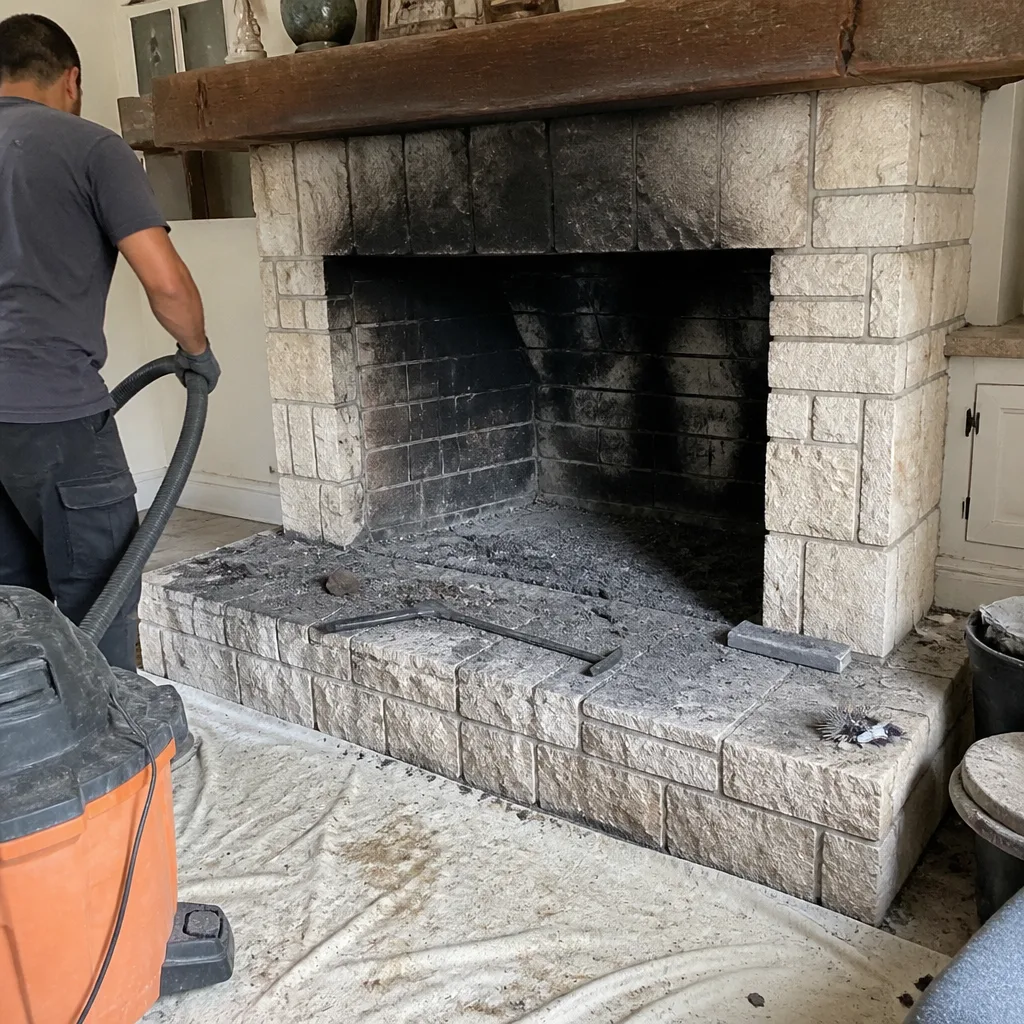 Before
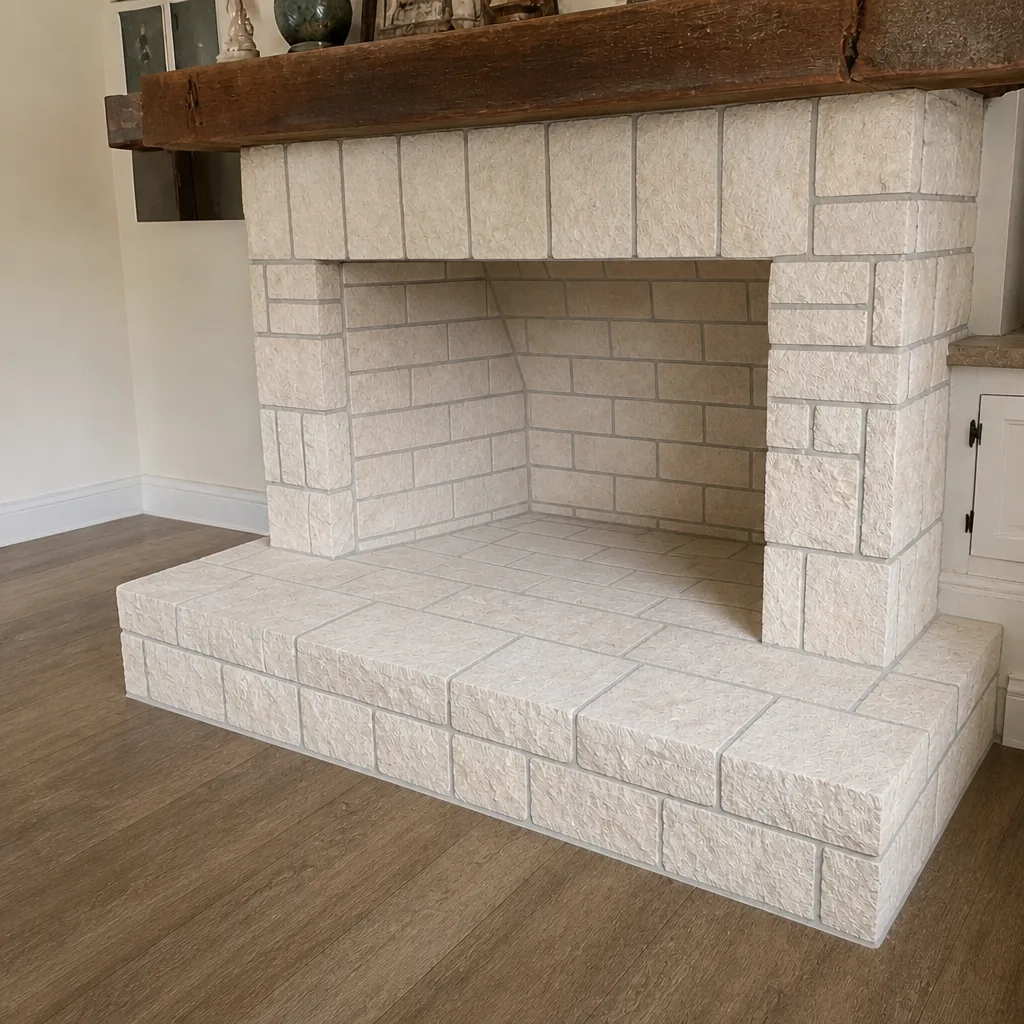 After
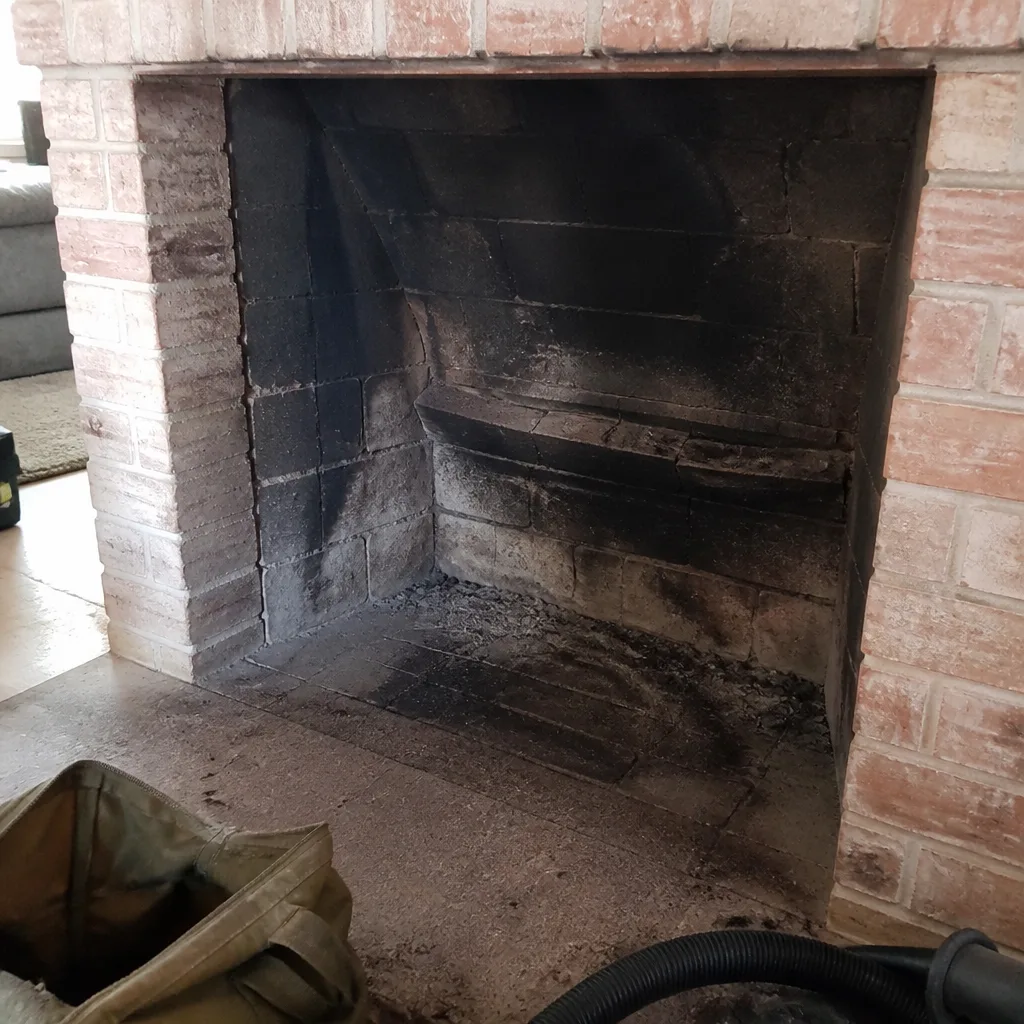 Before
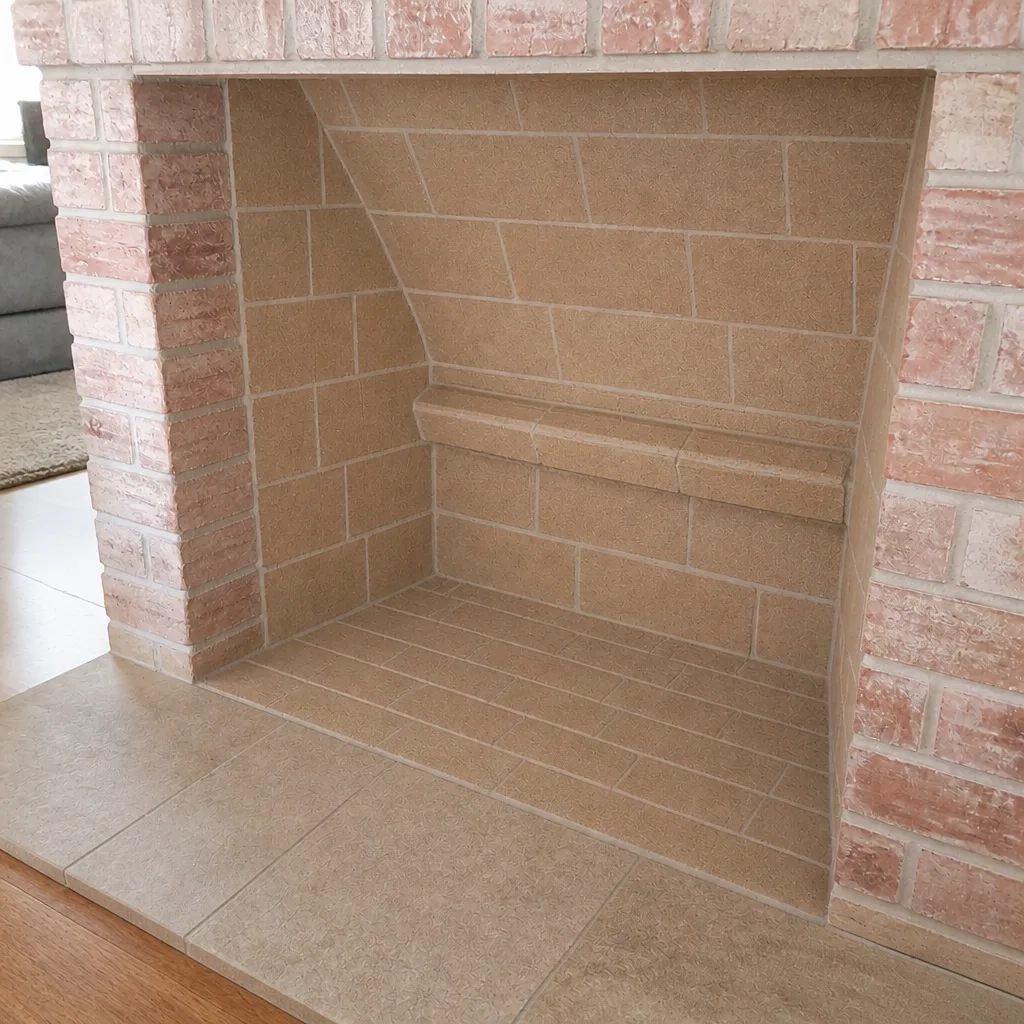 After
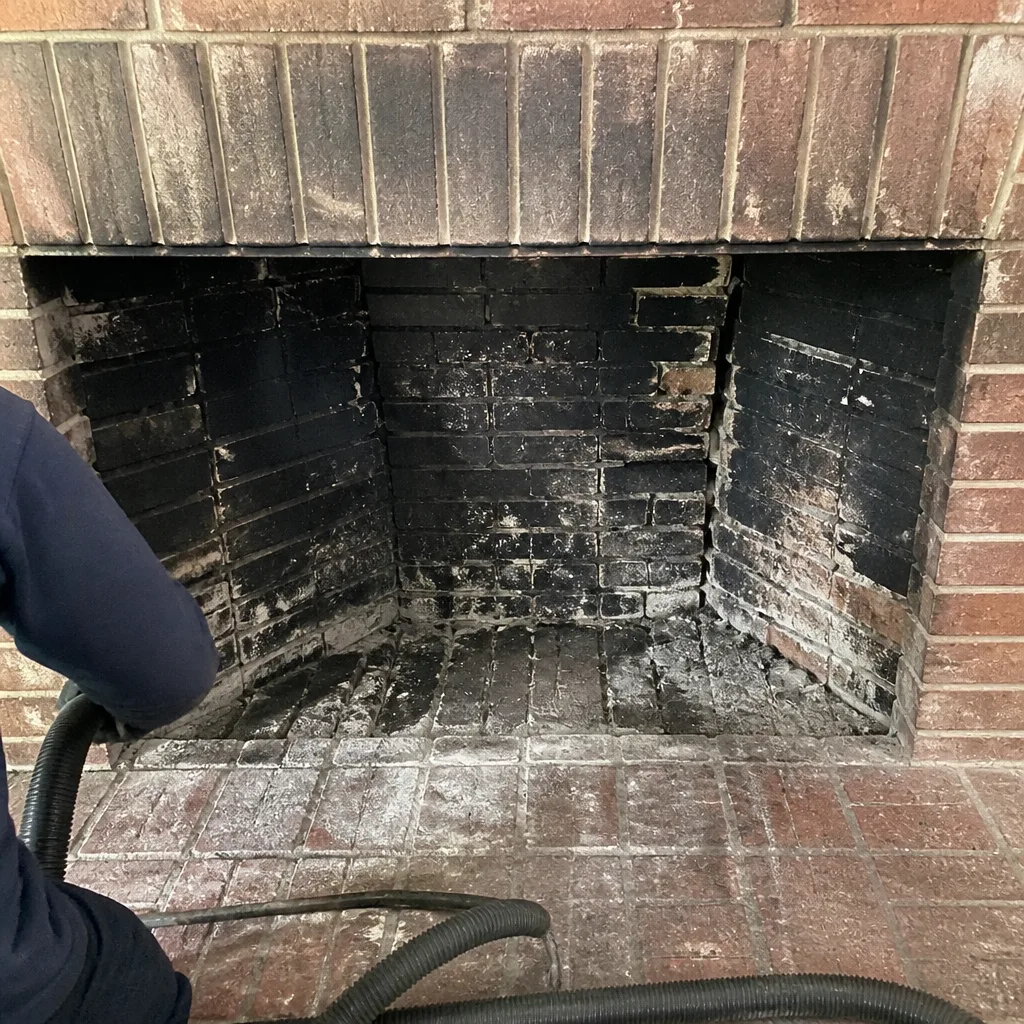 Before
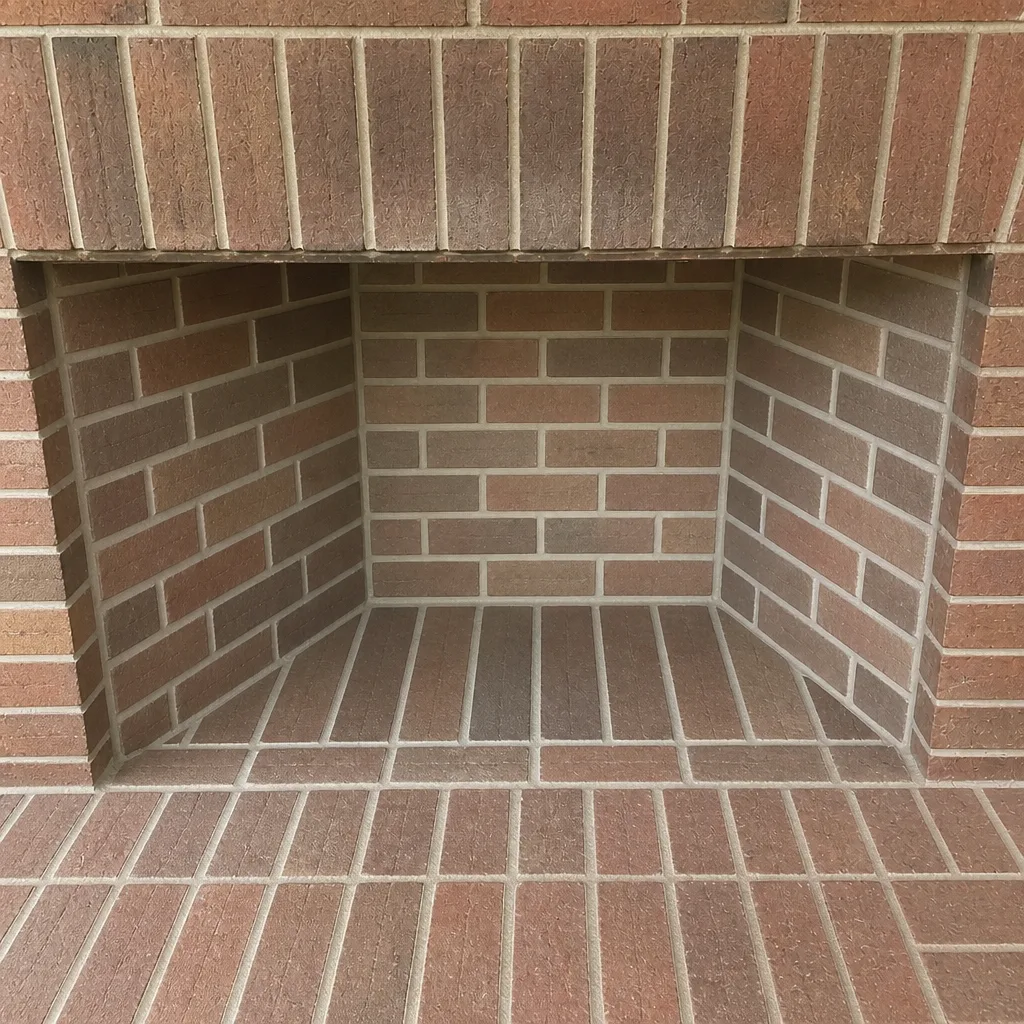 After
When to Call a Professional
Some chimney work is a phone call and a decision. Some of it is a phone call that keeps a fire out of your house. A few specific triggers:
You smell a strong creosote odor from the fireplace after a fire, or you hear a loud rumble and roaring from the flue during one. Both are cause for a professional look before the next fire. You’ve moved into a Costa Mesa home and don’t know when the chimney was last swept. You’re selling or buying and need a Level 2 inspection for the transaction. A camera inspection turned up a condition you don’t recognize and you want a second opinion. The cap is missing, damaged, or you can’t see the top of the chimney. Anyone is offering a reline or masonry repair without showing you photographs of the condition that prompted it.
For the everyday version, a fireplace repair often starts with a sweep and a camera inspection; that’s the order. For structural work, a chimney repair job that crosses the permit line needs the same approach whether it’s a crown rebuild, a flue resurfacing, or a reline: an inspection first, then a written scope, then the work. Costa Mesa Chimney Sweep Pros offers free estimates in Costa Mesa. Call (877) 792-5891. We answer 24/7. Fast dispatch from 7am to 7pm, Sunday through Friday.
Frequently Asked Questions
No. Routine chimney sweeping and Level 1 visual inspections don’t require a building permit in Costa Mesa. A permit becomes relevant when the work involves relining, structural repair, crown replacement involving masonry, or appliance installation, because those change the venting system and fall under California Residential Code requirements.
No. NFPA 211 is the National Fire Protection Association’s standard for chimneys, fireplaces, vents, and solid fuel appliances, and it’s the technical baseline inspectors and building officials reference. California Residential Code adopts it by reference for solid fuel appliances, which is how a national standard ends up guiding Costa Mesa permit inspections without the city writing its own separate chimney rulebook.
Yes. The City of Costa Mesa’s building department publishes permit records through an online portal, and you can search by property address. Confirm the permit exists under your address, that the scope matches the work being done, and that the contractor of record is the contractor you hired. If the permit wasn’t pulled, that’s a problem you want to know about before the final invoice.
A C-61/D-39 limited specialty license is the classification that covers chimney trade work in California, and it’s what to look for on the CSLB license lookup. Structural masonry and scope that extends beyond the venting system can fall under general contractor or a different specialty classification. Verify the license number, classification, and active status on the CSLB site before any work begins.
A Level 2 inspection is the standard for real estate transactions. It accesses the entire chimney, including the roof and any accessible attic or crawl spaces, typically with a camera. A sweep receipt isn’t a substitute. Getting the Level 2 done early in the transaction, before negotiation, gives both sides time to address anything the inspection finds.
Not necessarily. Some deterioration is stable and can wait; some is a real fire or carbon monoxide risk and shouldn’t. That’s the conversation to have with the technician looking at the images, and the recommendation should be based on what those images show. You’re entitled to see them. If a repair can safely wait, you should hear that too, not just a quote for the largest scope available.
The Bottom Line
Routine chimney sweeping in Costa Mesa doesn’t need a permit; structural work usually does, and the line between them is defined by what changes the venting system and the chimney structure. NFPA 211 is the technical baseline, California Residential Code is the enabling regulation, and the City of Costa Mesa building department is where the permit gets pulled and inspected. Verify the license on the CSLB, verify the permit on the city portal, and ask for the camera report before you approve any repair. If the inspection doesn’t show what the quote implies, ask why. That’s the whole discipline.
If you want a chimney sweep, an inspection, or a repair scope you can actually verify, Costa Mesa Chimney Sweep Pros is a Costa Mesa Chimney Sweep Pros -style specialist that handles the sweep, the inspection, and the repair under one scope, using DuraFlex, HeatShield, Olympia Chimney, Famco, and Copperfield materials where they fit the job. Call (877) 792-5891 for a free estimate. We answer 24/7. Fast dispatch from 7am to 7pm, Sunday through Friday.
Written by the team at Costa Mesa Chimney Sweep Pros.