
Last updated November 25, 2026
 Sweep & inspection
 Caps & crowns
 Flue relining
 Masonry repair
 Gas fireplace service
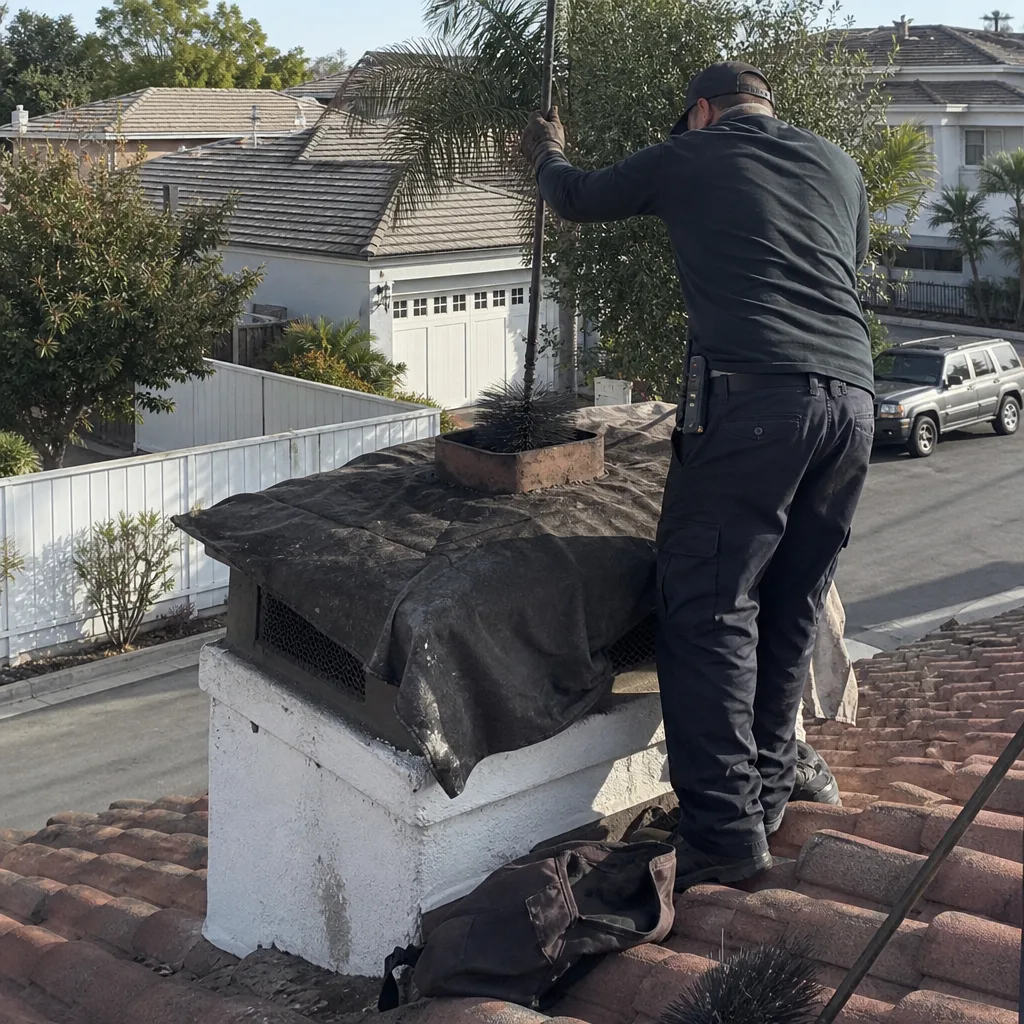
Level 1 sweep and inspection to the NFPA 211 annual standard - flue, crown, cap, and flashing checked and photographed
Chimney sweep logs do not sweep chimneys. They loosen some creosote - which then falls where a brush and vacuum still have to collect it.
Chimney Sweep Maintenance Checklist for Costa Mesa Homeowners
Most chimney damage in Costa Mesa doesn’t start with soot. It starts with the parts nobody cleans. A standard sweep clears the flue and brushes the firebox, then leaves. The damper, the crown, the flashing, and the exterior masonry get walked past. Those are the components that fail first on a Costa Mesa chimney, and they fail quietly until water is already inside the structure. This guide gives you a component-by-component checklist you can run yourself so you know what’s normal, what’s wearing, and when to book a professional. You’ll learn what to look at in each zone of the chimney, what you can safely handle yourself, and what should always stay in a trained technician’s hands.
Quick Answer
A chimney maintenance checklist for Costa Mesa should cover eight components: firebox, damper, smoke chamber, flue, crown, cap, flashing, and exterior masonry. Check each one before the first fire of the season and note its condition year over year. Your annual sweep handles the flue and firebox interior; the checklist you run in between catches the damper, crown, and flashing problems that a routine cleaning never touches.
Styles & brands we work with
- Sweep & inspection
- Caps & crowns
- Flue relining
- Masonry repair
- Gas fireplace service
Table of Contents
- Why Costa Mesa Chimneys Age Differently
- The Room-by-Room Component Checklist
- The Three Failure Points: Damper, Crown, and Flashing
- What to Look For on Metal Components
- Running a Basic Smoke Draft Test Before the First Fire
- What You Can Safely Do Yourself vs. What Needs a Pro
- Documenting Chimney Condition Year Over Year
- How Often to Book a Sweep
- Common Mistakes to Avoid
- When to Call a Professional
- Frequently Asked Questions
Why Costa Mesa Chimneys Age Differently
A chimney in Costa Mesa lives a different life than one in the mountains or the desert. The winters here are mild, so the firebox sits idle for most of the year and then gets used hard for a few concentrated months. That long idle period is when most deterioration happens, because moisture has time to work on the chimney while nothing is burning and no heat is moving air up the flue. A chimney that’s cold and damp for months is a chimney that’s quietly losing mortar at the crown and letting water seep into the masonry joints.
The local housing stock matters too. Costa Mesa has a wide range of home ages, and the chimneys attached to them were built to very different standards. Older masonry chimneys tend to have wider mortar joints and softer brick that hold moisture longer. Newer construction often uses factory-built metal flues with their own wear patterns and their own maintenance needs. Knowing which type you have changes what you look for.
What doesn’t change is the principle: a chimney protects itself by keeping water out and heat flowing correctly. Every component on the checklist below serves one of those two jobs. When a component stops doing its job, the failure spreads to the components around it. That’s why the professionals at Costa Mesa Chimney Sweep Pros treat the sweep and the inspection as two halves of the same visit rather than two separate appointments. The person sweeping your flue is the same trade professional who can spot a crown crack before it becomes a structural problem.
If you’ve never had your chimney assessed, start with a chimney sweep and ask the technician to walk you through what they find. Most homeowners learn more in that one conversation than they have in years of owning the house.
The Room-by-Room Component Checklist
You don’t need special tools to run this checklist. A flashlight, a notebook, and fifteen minutes a year are enough. Work from the firebox outward and upward. Note the condition of each component on a simple scale: good, watch, or call. “Watch” means it’s showing early wear that isn’t urgent yet but should be checked again next year. “Call” means it needs a professional look before your next fire.
The Firebox
- Look at the brick and mortar joints on the back wall and side walls. Hairline cracks in the firebrick are normal from heat cycling. Gaps in the mortar joints or loose bricks are not.
- Check for glazed or shiny surfaces on the firebrick, which can indicate past overfiring. Note it but don’t panic.
- Clear ash from the floor of the firebox before your first fire, but leave a thin layer of ash as a bed for the next fire. A deep ash pile can block the draft.
- Look at the firebox floor for any crumbling or soft spots, which can signal moisture getting in from below.
The Damper
- Open and close the damper by hand. It should move smoothly through its full range without catching.
- Look at the damper plate for rust, warping, or a gap at the edges when closed. A damper that doesn’t seal lets heated room air escape up the chimney all year.
- Listen for a scrape or grind as it moves. That usually means the damper frame is out of alignment or the hinge is corroded.
The Smoke Chamber
The smoke chamber is the sloped area above the damper and below the flue. You can see part of it with a flashlight and a mirror, but a full look requires the technician’s camera. Note any obvious parging damage you can see from the firebox opening. Rough, unparged brick in the smoke chamber slows the smoke and gives creosote a place to collect.
The Flue
- Shine a light up the flue from the firebox. You’re looking for creosote buildup, cracks in the liner, or any obstruction like a bird’s nest.
- Note the color of any visible creosote. A light, flaky deposit is normal between sweeps. A glossy, tar-like coating is a sign you need a sweep sooner rather than later.
- Don’t reach up into the flue. The interior surfaces are sharp and the space is tight, and a trained sweep uses the right brushes and rods for the job.
If your chimney needs more than cleaning, a chimney repair visit is the next step, and it’s worth doing before the burning season starts rather than in the middle of it.
The Three Failure Points: Damper, Crown, and Flashing
These three components do the most behind-the-scenes work and get the least attention. None of them are cleaned during a standard sweep. All three fail before you notice anything wrong inside the house.
The Damper
A damper that doesn’t seal properly does two things. It lets heated room air escape up the chimney whenever the fireplace isn’t in use, which quietly raises your energy cost. And it lets cold, damp air down into the firebox during the idle months, which is when masonry damage accelerates. A stuck-open damper is one of the most common things technicians find when a homeowner calls about a drafty living room rather than a chimney problem.
The Crown
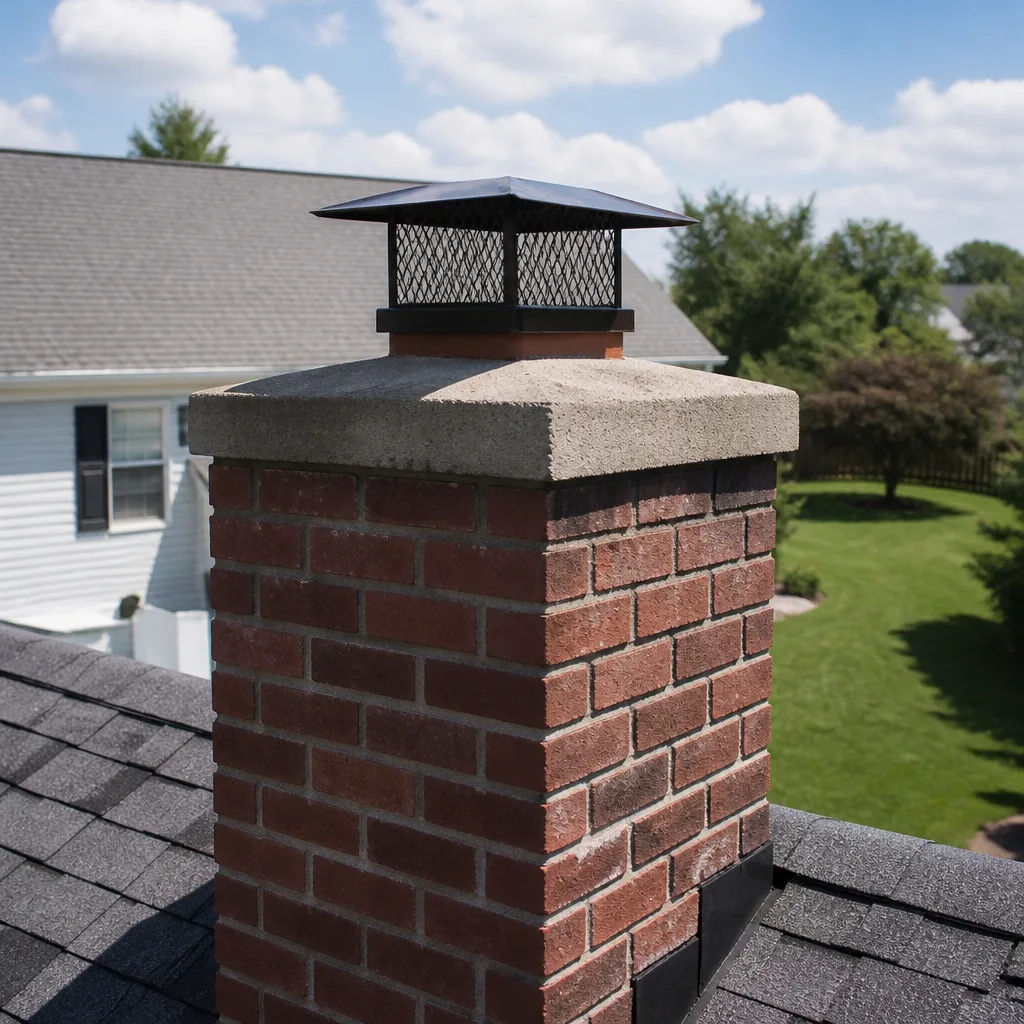
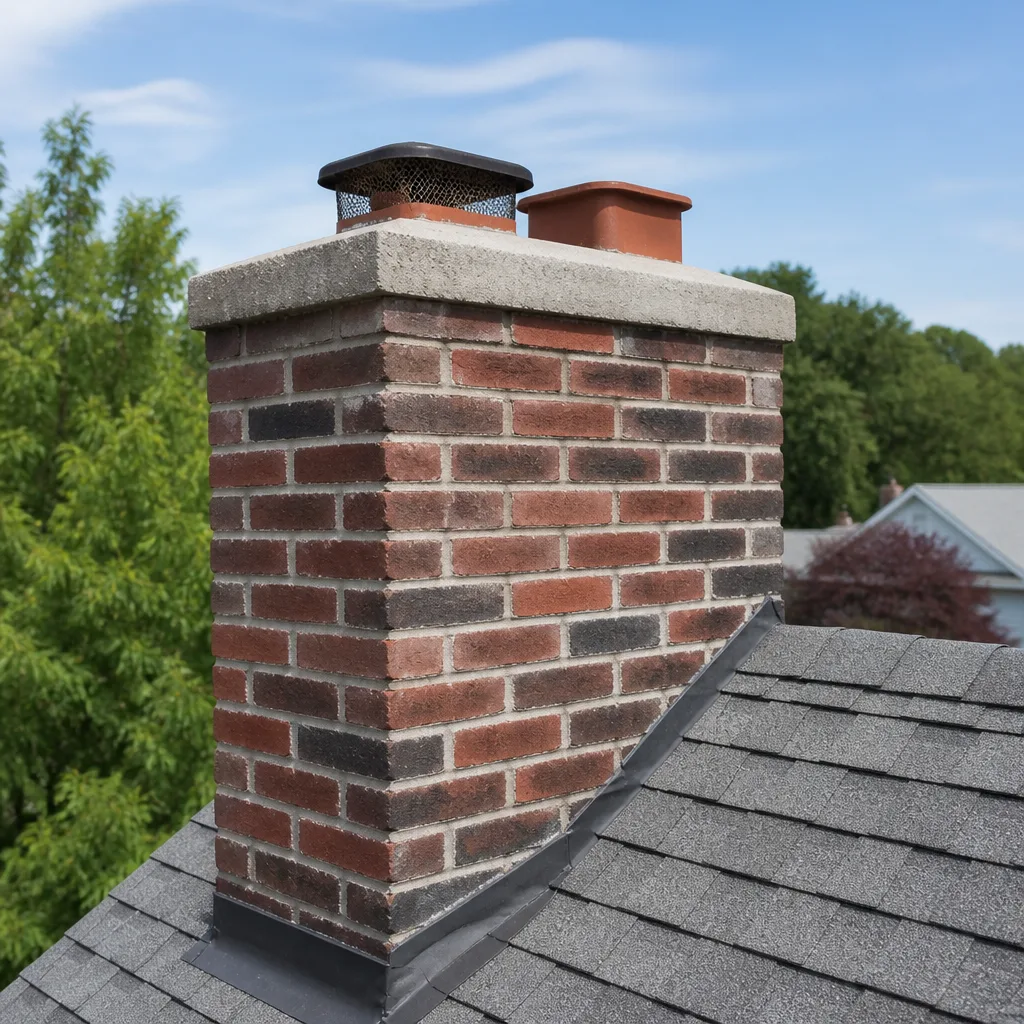
The crown is the concrete or masonry cap at the very top of the chimney that sheds water away from the flue opening. It’s the chimney’s roof. When a crown cracks or pulls away from the flue, water runs down into the chimney structure and starts working on the mortar joints below. On a Costa Mesa chimney, where the crown spends most of the year in sun and then a damp winter, that cracking is worth checking every year. A crown that’s failed isn’t a cosmetic issue; it’s the entry point for most of the structural damage we see.
The Flashing
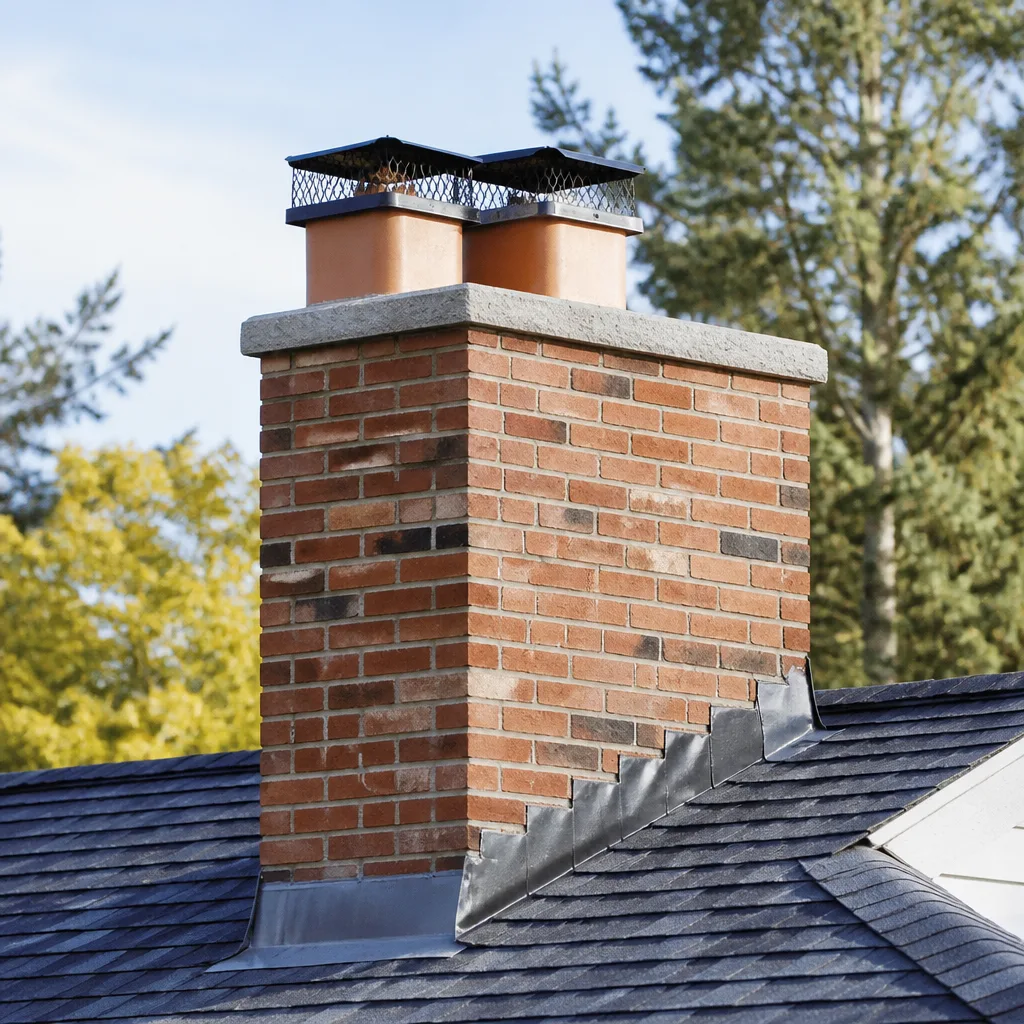
Flashing is the metal where the chimney meets the roof, and it’s the most common source of leaks that get misdiagnosed as roof problems. Flashing is sealed with caulk or sealant that dries out and pulls away over time. Once it does, water gets behind it and into the attic or the ceiling below. On a chimney, the flashing seal should be checked every year and resealed when it’s failing. It’s a small fix that prevents a large one.
Cap and crown work is a specialty of ours, and we source those components from manufacturers who build specifically for chimneys rather than from a general supply house. Matching the right cap to your flue configuration is why we work with multiple professional brands, including Olympia Chimney and Copperfield, rather than a single generic option.
What to Look For on Metal Components
Metal parts on a chimney wear in specific, predictable ways. You don’t need to diagnose them, but you should know what deterioration looks like so you can flag it.
- Surface rust on the damper, cap, or flashing is the first sign. Light rust that brushes away is early wear. Rust that pits or flakes is further along.
- Staining below a metal component, particularly a dark streak on the masonry under the flashing or the cap, tells you water is getting past it.
- Loose fasteners at the cap or flashing allow movement, and movement breaks the seal.
- Discoloration or a white powdery deposit on galvanized metal is a sign the protective coating is failing.
- Bent or deformed cap mesh lets birds and debris into the flue, which is a common cause of blockages.
If you note rust or staining in your yearly check, bring it up at the next sweep. The technician can tell you whether the component needs cleaning, resealing, or replacement. When replacement is the answer, we use components from brands the chimney trade recognizes, including Famco for caps and DuraFlex for liner components, so the part you get is traceable and warrantied rather than an anonymous piece of hardware.
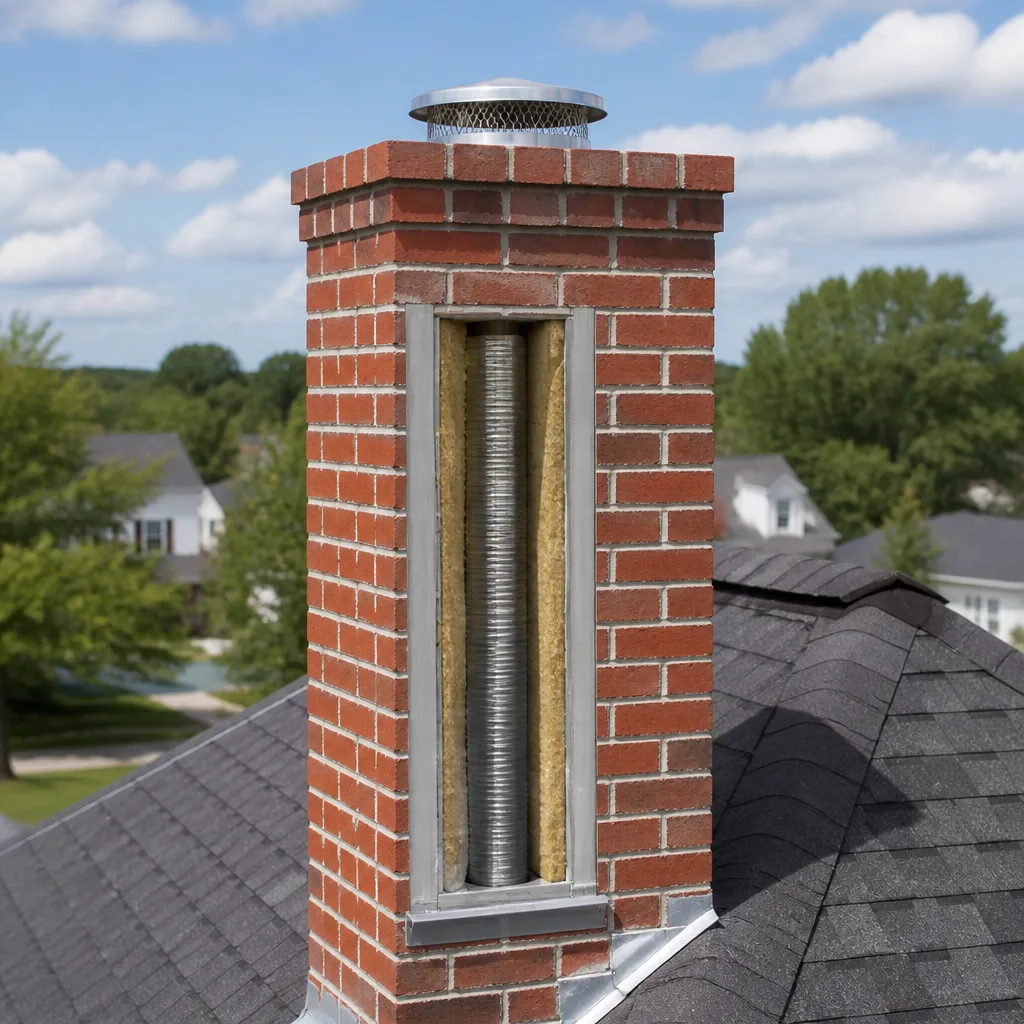
Structural work doesn’t stop at the cap. If the inspection turns up a damaged liner or a firebox that needs rebuilding, the same visit is where that gets planned. You can read more about fireplace repair and what that scope covers.
Running a Basic Smoke Draft Test Before the First Fire
A draft test tells you whether your chimney is pulling air up the way it should. It’s simple, safe, and needs no special tools. Run it once before the first fire of the season and again if the fireplace starts smoking during the year.
- Open the firebox and open the damper fully.
- Light a small piece of paper or a match and hold it near the open damper, or hold it just inside the firebox near the top.
- Watch the smoke. It should rise up the flue and disappear cleanly. If it drifts into the room or hovers, the draft is weak.
- If the smoke won’t rise, check for an obvious obstruction first: a closed damper, a pile of ash, or a blocked cap.
- If the draft still fails after the obvious checks, stop and call a professional. A weak draft can mean a partial blockage or a flue problem that a sweep needs to look at.
- Note the result in your log along with the date. A draft that’s gotten weaker year over year is worth mentioning at the next sweep.
Never use lighter fluid or a large fire to force a draft. A sudden, oversized fire in a cold flue can start a chimney fire or crack the liner. The draft test is about reading the chimney, not testing it. If you’re unsure of the result, the team at Costa Mesa Chimney Sweep Pros can run the test as part of a sweep and show you what they see.
What You Can Safely Do Yourself vs. What Needs a Pro
Homeowners can do more than they think, and less than they sometimes try. Here’s the line.
Safe for you to handle
- Clearing ash from the firebox and cleaning the firebox floor.
- Opening and closing the damper, and noting how it feels and sounds.
- Running the smoke draft test described above.
- Visual checks of the crown, cap, and flashing from the ground with binoculars, or from a safe vantage point inside the house.
- Recording conditions and dates in a log so you can compare year over year.
- Keeping the area around the hearth clear and storing firewood away from the house.
Not safe for you to handle
- Climbing onto the roof to check the crown or crown cap. Falls from height cause serious injury, and an untrained look at the crown can miss a crack that a trained eye catches.
- Resealing flashing. The sealant, the prep, and the metal work need a trade professional.
- Brushing the flue. The creosote inside is a fire hazard, the surfaces are sharp, and the brushes and rods need to match your flue’s size and shape.
- Working on a gas line, the damper mechanism itself, or any electrical component near the chimney.
- Repairing masonry or a firebox. A repair that looks solid from the outside can leave a gap that lets fire or hot gases through.
The pattern to remember: you handle the checks you can do with your eyes and hands from the floor of your own home. Everything above head height, and everything that involves a flame, a gas line, or a live flue, belongs to a trained technician. We keep the scope of the trade in-house. The technician who inspects is the technician who can do the repairs, and the work is done with the right materials the first time rather than handed to a different contractor.
Documenting Chimney Condition Year Over Year
A single year’s observation is a snapshot. Three years of observations is a diagnosis. A contractor can look at a crown crack and tell you its condition today, but they can’t tell from one visit whether that crack has grown since last year or whether it’s been stable for five years. If you record the condition each year, you give the technician a history. That’s how you spot progression rather than guess at it.
Here’s what to record each year:
- Date of your check.
- Condition of each of the eight components on a simple three-point scale: good, watch, or call.
- Notes on any change from the previous year: a new crack, a new stain, a draft that’s weaker.
- Date and notes from your professional sweep, including the technician’s findings and whether any repairs were recommended (and which you approved).
- Photos. Take a photo of the crown and cap from the ground, and a photo inside the firebox. Two minutes each year builds a visual record.
Keep the log somewhere you’ll find it: a note in your phone, a folder, a marked page in a house binder. When you book a sweep, mention the log and hand it to the technician. They’ll have a better picture on arrival, and you’ll get a clearer answer about whether work can wait or shouldn’t. In our experience, the homes with a written log are the ones where expensive surprises get caught early. The camera inspection and photo report we provide is the professional side of the same idea, and you should see what the camera sees before any work is recommended.
How Often to Book a Sweep
The rule of thumb most of the trade uses is once a year for a wood-burning chimney that gets regular use, and more often if you burn often, burn green wood, or notice the signs on this checklist pointing to a call. Run the checklist before the first fire of the season and book the sweep before the burning season gets busy.
A sweep is not just a cleaning. It’s the professional inspection you can’t do yourself. That’s why the sweep and the checklist work together. You watch the components between visits. The technician runs the camera and the tools at the visit. If you find something between sweeps, don’t wait for the next scheduled appointment. A chimney sweep visit can be booked whenever you spot a problem, and a problem caught early is a cheaper fix than a problem you discover midsession. Between sweeps, if the fireplace starts smoking into the room or the fire won’t draw, stop using it and get it checked.
Common Mistakes to Avoid
- Only thinking about soot. Soot is the visible part. The parts that fail first are the damper, crown, and flashing, and none of them are touched by a routine sweep. Learn where the damage actually starts.
- Skipping the check on an idle year. A chimney that isn’t used still deteriorates. The idle months are when moisture does the most work, so run the checklist even in a year with no fires.
- Climbing the roof to “take a quick look.” A fall from a roof is the risk that ruins lives; the crown and cap will still be there when a trained technician arrives. Check from the ground with binoculars instead.
- Caulking a flashing leak as a permanent fix. Sealant fails; the flashing itself needs attention. A smear of caulk can trap water and make the leak worse under the surface.
- Ignoring a drafty living room. A draft that only shows up when the fireplace isn’t in use can be a damper that won’t seal. Don’t treat it as an insulation problem until the damper has been checked.
- Burning green or wet wood to get more heat. It makes more creosote, which is the fire hazard the sweep is there to remove. Seasoned wood and a good draft are the efficient combination.
- Treating a camera inspection as an upsell. A camera finds what a visual check can’t. You should see the photos, and you should understand the condition of your chimney before you approve any repair. If a repair hasn’t been shown to you on evidence, you can decline it.
When to Call a Professional
Call a professional when your checklist turns up a crack in the firebox mortar, a damper that sticks or won’t close flush, a crown crack, a flashing stain, or any visible creosote buildup beyond a light flake. Call if the draft test fails and the obvious causes are cleared. Call if the fire smells smoky inside the house more than it used to, or if the chimney is cold where it shouldn’t be. Don’t try to fix a flue problem yourself. The interior of a chimney is sharp, hot, and tight, and the components inside carry real burn risk. High-tension parts and gas lines are always a call rather than a check.
Costa Mesa Chimney Sweep Pros offers free estimates in Costa Mesa. Call (877) 792-5891. We answer 24/7. Fast dispatch from 7am to 7pm, Sunday through Friday. When you call, tell us what you found on the checklist and we’ll book the right visit for the condition. You’ll get a written estimate before any work starts, and if a repair can safely wait, we’ll tell you so.
Frequently Asked Questions
Once a year for a wood-burning chimney that gets regular use, and sooner if you notice heavy creosote, a smoking fireplace, or any of the failure signs on this checklist. The annual sweep is also the inspection that catches what a visual check misses, so don’t skip it in a year with light use.
Water intrusion at the crown and flashing. The crown spends most of the year in sun and then a damp winter, and the sealant around the flashing dries out over time. Both are among the components a routine sweep doesn’t clean, which is why the checklist covers them separately. If you see a crack or a stain, get it looked at before the burning season.
You can check the firebox, damper, and firebox floor, run a smoke draft test, and inspect the crown and cap from the ground with binoculars. Leave any roof work, flue brushing, flashing repair, and masonry repair to a trained technician. The checks you can safely do from the floor of your home cover the parts that need watching most often.
A sweep clears soot and creosote from the flue and firebox. It doesn’t touch the damper, crown, flashing, or exterior masonry, and those are the components that fail first. Pairing the sweep with the once-a-year checklist you run yourself is how you catch the problems between visits.
A blocked flue usually shows up as a weak or failed draft test, smoke drifting into the room, or a fire that’s hard to start and slow to burn. Common causes are a bird’s nest, a collapsed liner section, or heavy creosote buildup. Don’t burn if the draft fails; get a technician to look.
Sometimes yes, and sometimes no. A hairline crack is a watch item; a crack that pulls away from the flue is a call. The only way to know is a professional look with photos you can see. We don’t recommend a repair that isn’t backed by what the camera and the inspection actually found, and if the work can safely wait, we’ll tell you. Call (877) 792-5891 for an exact quote; estimates are free.
See the difference
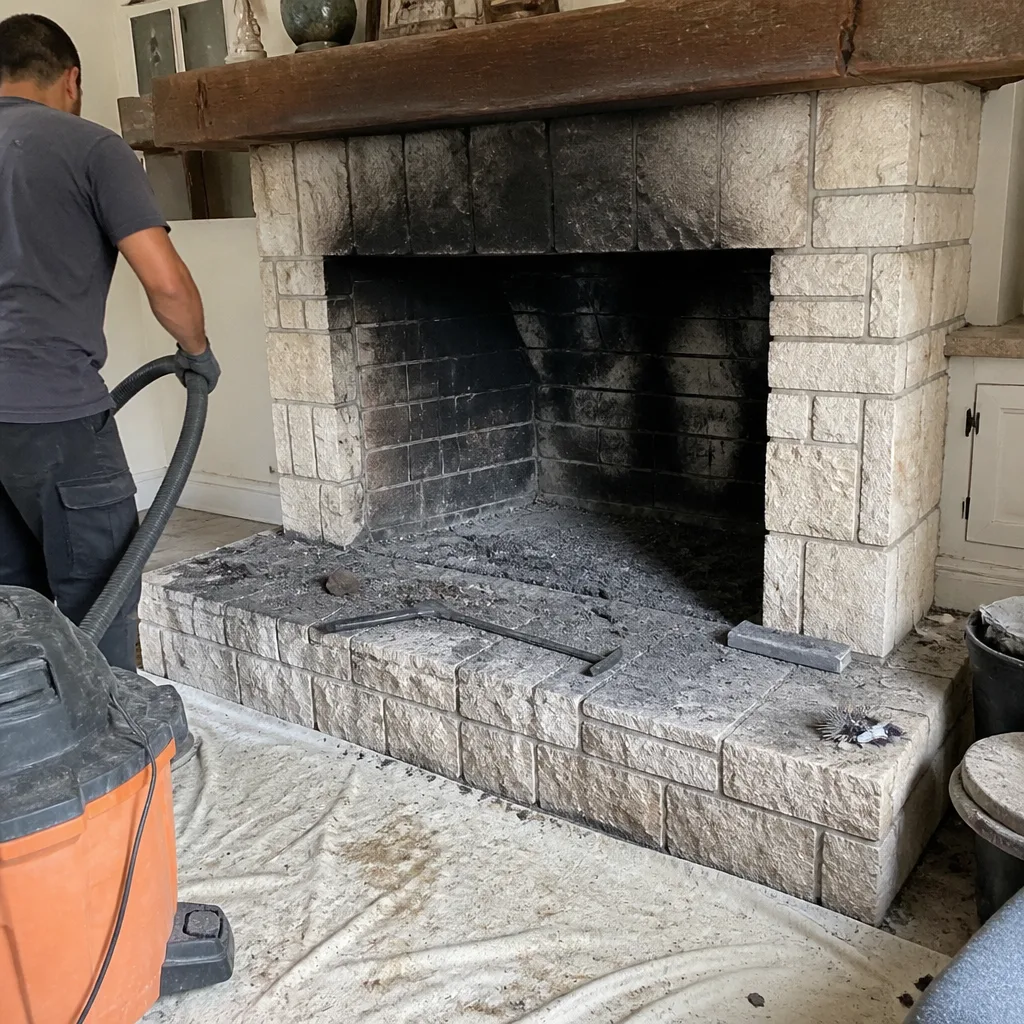 Before
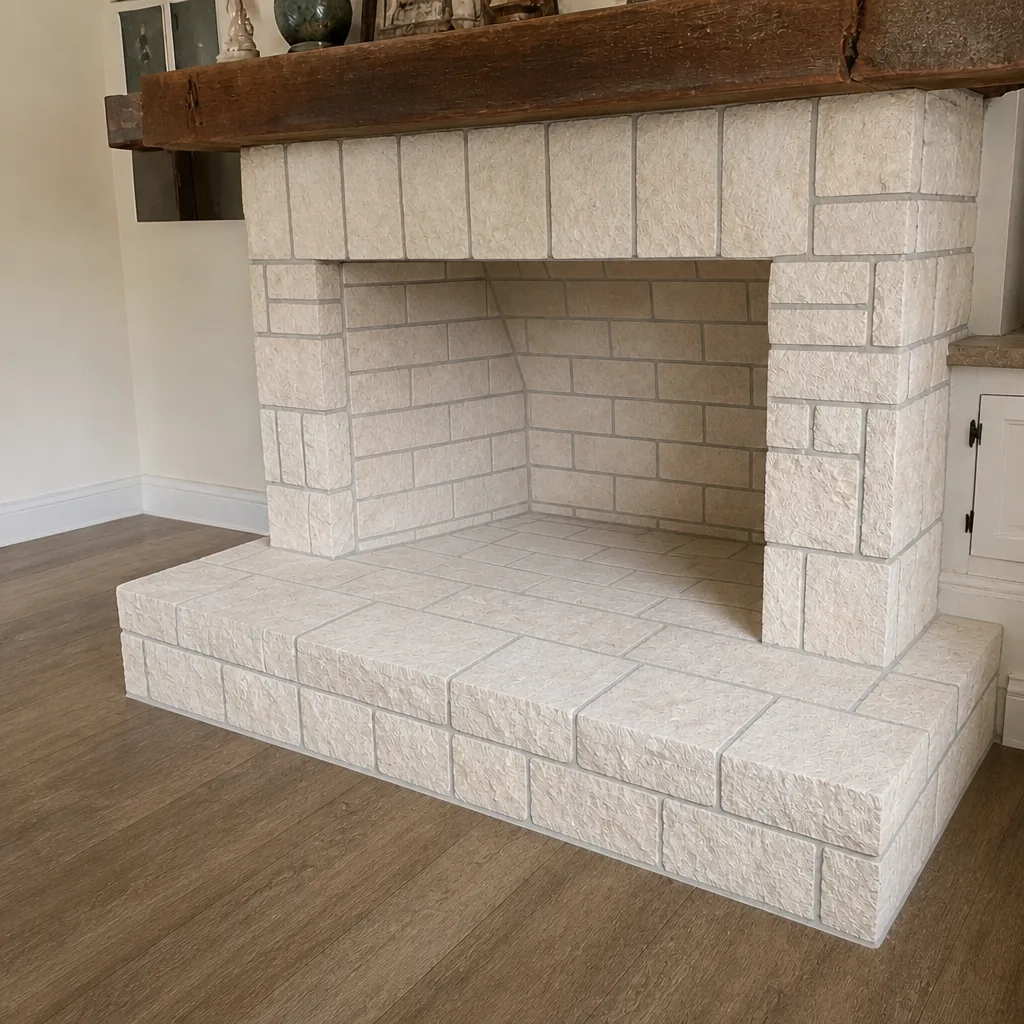 After
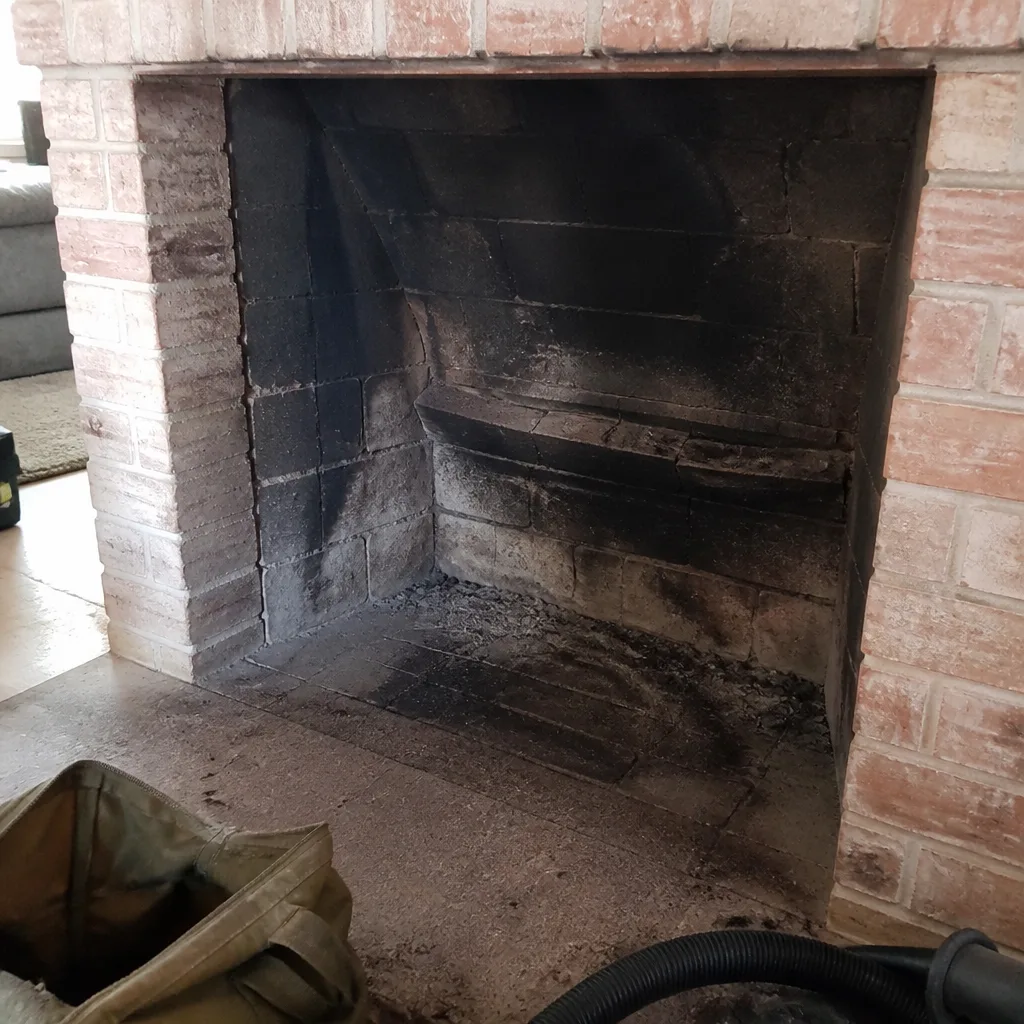 Before
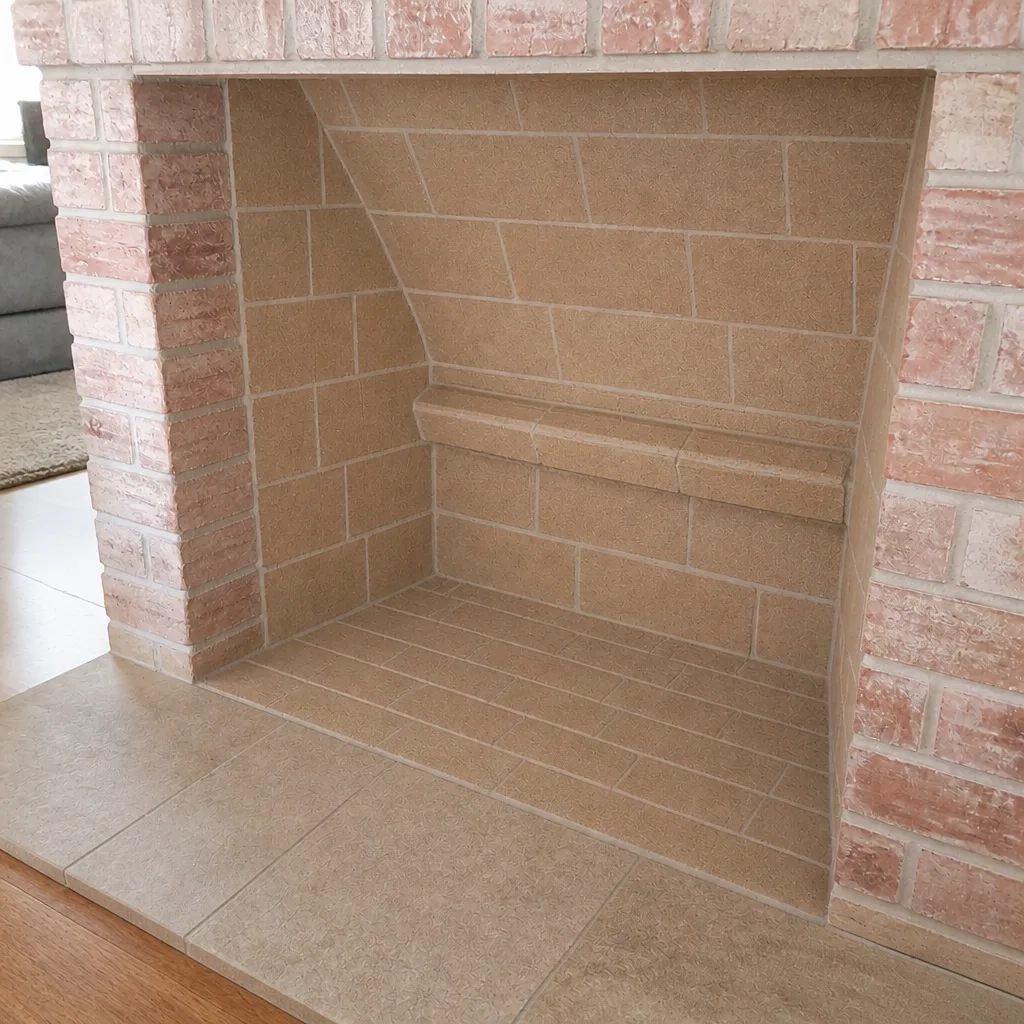 After
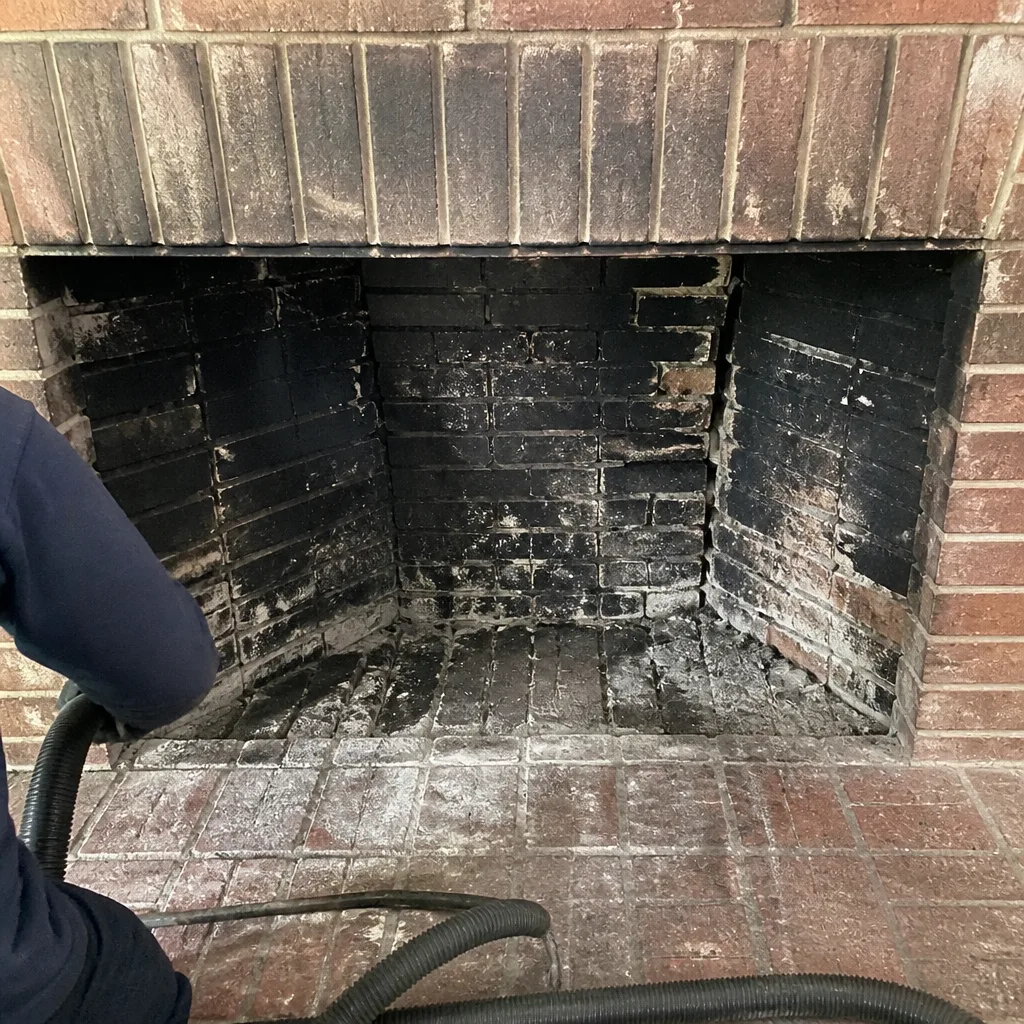 Before
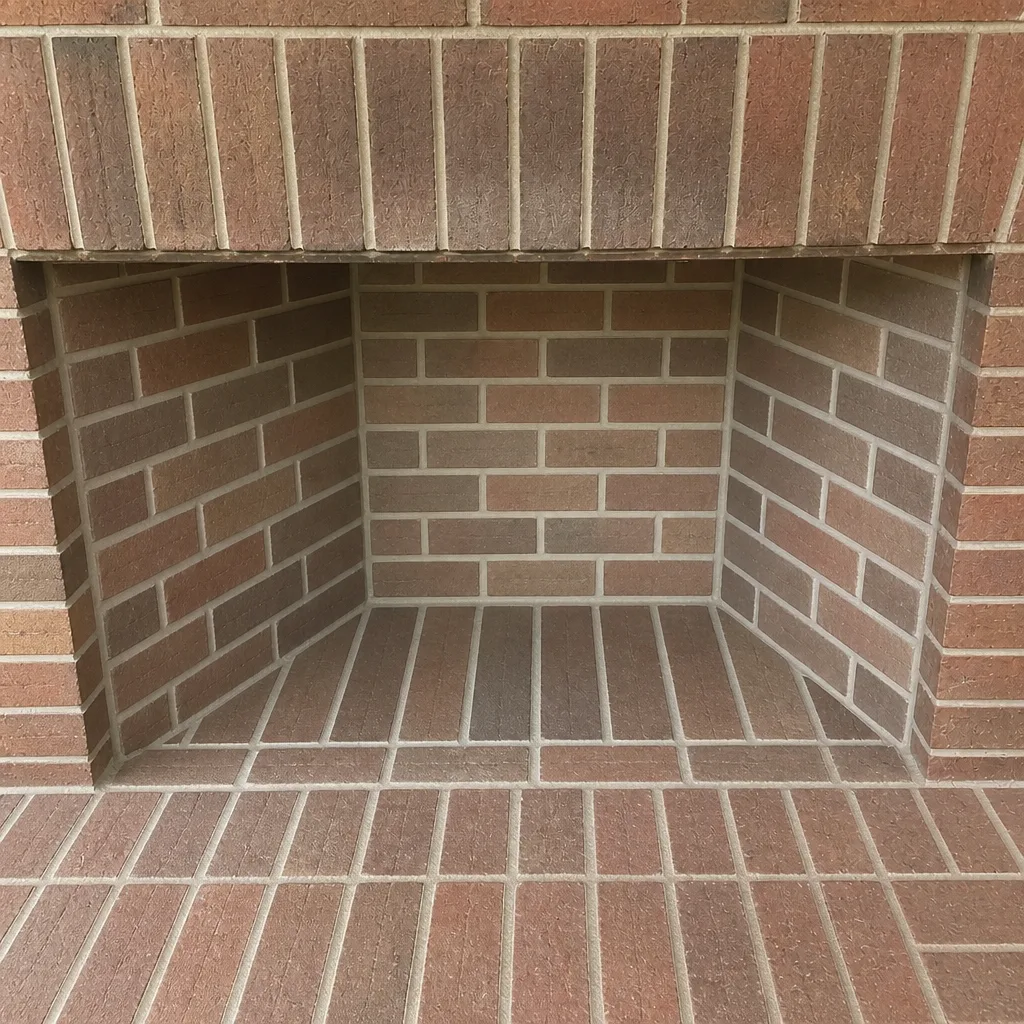 After
The Bottom Line
The chimney you can see from the living room is a small part of the chimney you own. The parts that fail first (damper, crown, flashing) live where a sweep doesn’t clean, and they fail quietly over years rather than all at once. Run the eight-component checklist before the first fire of the season, record each component’s condition, and hand the log to your technician at the annual sweep. Pair that with a smoke draft test, watch the metal for rust and staining, and leave the roof and the flue to a trained technician. A chimney that’s checked every year and swept by a professional stays cheap to own. A chimney that isn’t is where the expensive surprises come from.
Book Your Sweep Before the Burning Season
Costa Mesa Chimney Sweep Pros handles the sweep, the inspection, and the repairs under one visit, using brands the chimney trade knows: DuraFlex liners, HeatShield resurfacing, Gelco, Olympia Chimney, Famco, and Copperfield components. Our technicians have up to 8 years of experience, and the inspection comes with a camera and a photo report you can see for yourself. Call (877) 792-5891 for a free estimate. We answer 24/7. Fast dispatch from 7am to 7pm, Sunday through Friday. The written estimate sets the price, and if the work can safely wait, we’ll tell you.
Written by the team at Costa Mesa Chimney Sweep Pros.