
Last updated November 25, 2026
 Sweep & inspection
 Caps & crowns
 Flue relining
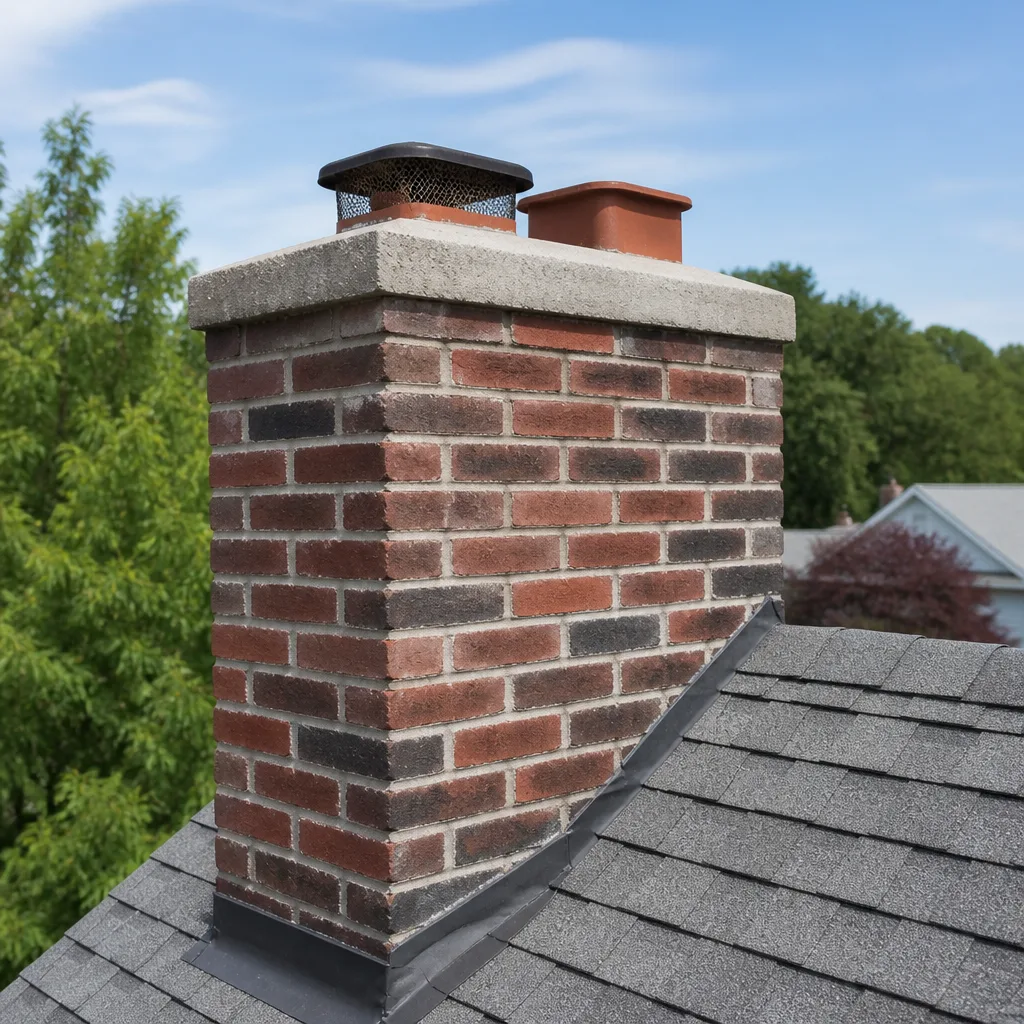 Masonry repair
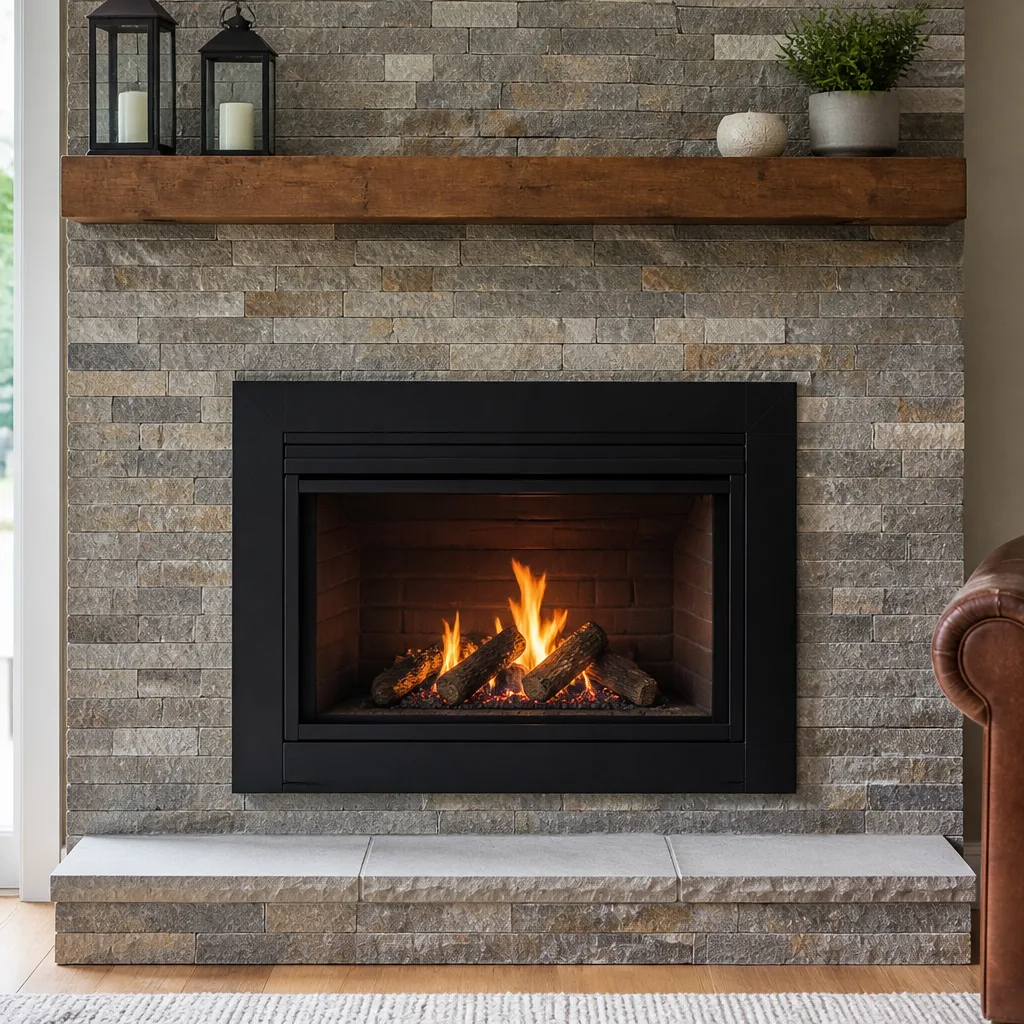 Gas fireplace service
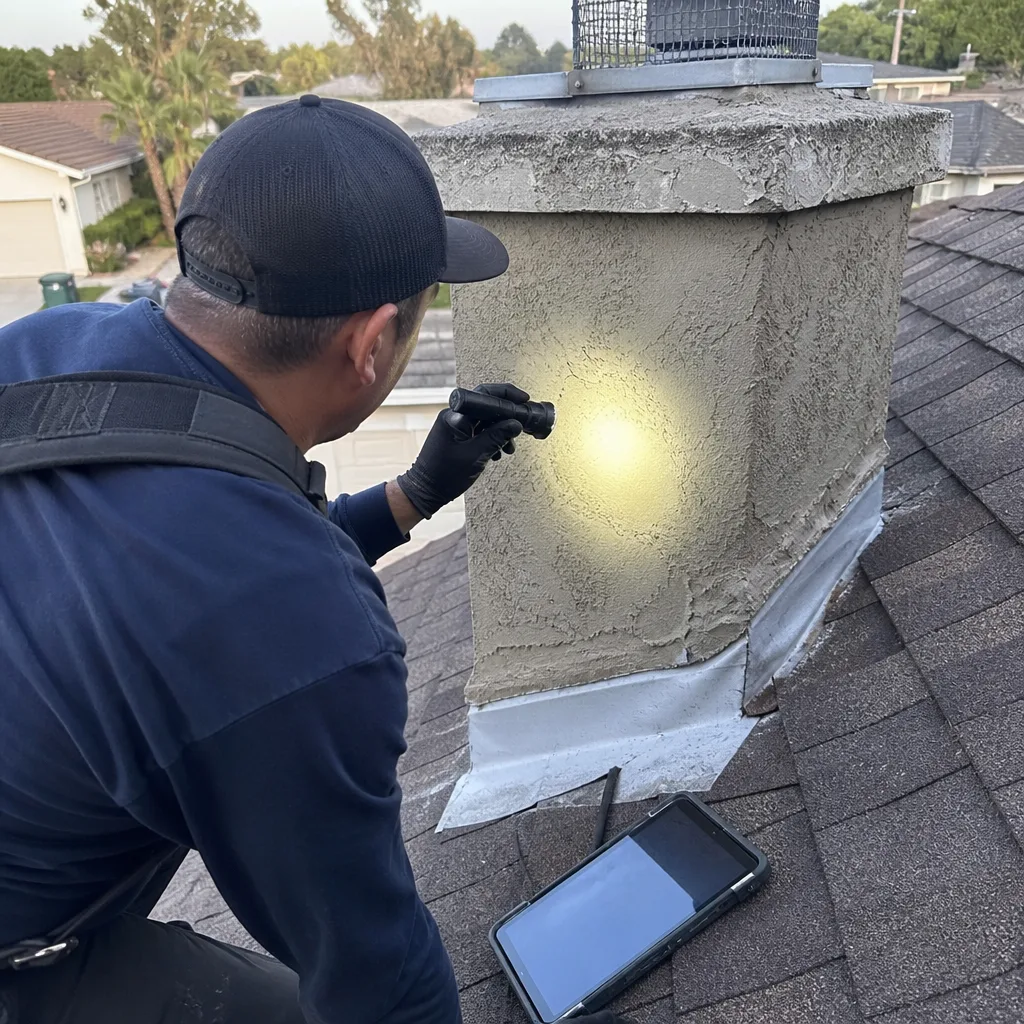
Level 1 sweep and inspection to the NFPA 211 annual standard - flue, crown, cap, and flashing checked and photographed
Chimney sweep logs do not sweep chimneys. They loosen some creosote - which then falls where a brush and vacuum still have to collect it.
The Complete Guide to Chimney Cleaning in Costa Mesa
Most Costa Mesa homeowners burn wood fewer than 15 times a year, and they figure that makes a sweep optional. The opposite is usually true. A lightly used fireplace in a mild climate rarely builds the heavy soot that drives yearly cleaning elsewhere. Instead it builds thin, glazed, moisture-saturated creosote that looks harmless and bonds hard to the flue wall. Add the marine layer that settles over Costa Mesa in the cool months, and you get a liner problem hiding behind the word “clean.” This guide covers what chimney cleaning in Costa Mesa actually involves: the three inspection levels, how use and climate change the deposit you get, gas versus wood fireplaces, and where cleaning stops and repair begins.
Quick Answer
Chimney cleaning in Costa Mesa means removing creosote, soot and blockages from the flue and firebox, then inspecting the chimney to confirm it’s safe to use. A standard sweep handles routine build-up on a wood-burning fireplace, while a gas log insert needs a different kind of evaluation focused on venting and heat. A proper sweep also includes a check for water intrusion at the crown and cap, which is the most common structural problem we find in coastal Orange County homes.
Styles & brands we work with
- Sweep & inspection
- Caps & crowns
- Flue relining
- Masonry repair
- Gas fireplace service
Table of Contents
- Why Chimney Cleaning in Costa Mesa Isn’t a Generic Job
- Creosote in a Low-Use Fireplace: The Stage 2 Problem
- Level 1, 2, and 3 Inspections Explained
- What a Chimney Sweep Actually Involves, Step by Step
- Gas Log Inserts vs. Wood-Burning Fireplaces
- What “Cleaning” Includes vs. What Needs a Repair Estimate
- Caps, Crowns, and Water at the Top
- How Often Should You Schedule a Sweep in Costa Mesa?
Why Chimney Cleaning in Costa Mesa Isn’t a Generic Job
Most chimney advice online is written for climates with hard freezes and long burning seasons. Costa Mesa doesn’t have that. Our winters are mild, our burning season is short, and the humidity is steady. That combination changes the failure pattern in a real chimney, and it changes what a sweep should prioritize.
The first thing to understand is the marine layer. Moist cool air settles over Costa Mesa on many mornings through the year, and chimneys sit in it. Masonry and metal both absorb moisture on the outside, and clay tile flue liners can absorb it on the inside when the chimney isn’t run hot enough to dry out. Over time, that moisture breaks down mortar joints, rusts damper hardware and firebox components, and leaves the flue vulnerable. A fireplace that sits unused for nine months of the year never gets the drying heat that keeps a chimney healthy in a colder climate.
The second thing is the housing stock. Much of Costa Mesa was built across several decades, so a single block can hold original masonry chimneys, factory-built metal fireplaces from later renovations, and homes where a gas insert was dropped into an old wood firebox. Each needs a different cleaning approach and a different inspection. A technician who brings one brush and one assumption will miss things.
What that means for you: cleaning in Costa Mesa has to start with identification. Before a brush ever goes down the flue, a technician should confirm what the chimney is made of, how the fireplace is vented, and whether the flue has been relined. That’s why Costa Mesa Chimney Sweep Pros treats every visit as a sweep plus inspection, not a brushing with a receipt.
Creosote in a Low-Use Fireplace: The Stage 2 Problem
Here’s the counterintuitive part of chimney cleaning in a mild climate. Heavily used fireplaces burn hot and often, and heat tends to keep the flue drier. Lightly used fireplaces, the kind that see a handful of fires on cool evenings, run different physics. You get cooler, short fires, an incompletely warmed flue, and smoke that condenses on the relatively cool flue walls. The result is creosote that forms in thin layers, cures into a glaze, and clings hard.
Creosote has three widely recognized forms, and the difference matters for what a sweep can remove:
- Stage 1: Flaky, sooty, brushable. A standard sweep removes most of it.
- Stage 2: A harder, crusty or glazed deposit that bonds to the flue wall. Brushing alone often leaves a film, and the flue may need resurfacing to restore a smooth, correctable surface.
- Stage 3: A heavy, tar-like glaze that’s dense and difficult to remove by mechanical brushing. It signals a flue that may need serious attention, sometimes relining.
Glazed Stage 2 creosote is what we look for most in Costa Mesa. It doesn’t announce itself. There’s no thick, fluffy soot layer telling you it’s time to call. The deposit is thin and shiny, and a homeowner looking up the flue sees what looks like a normal dark surface. A trained sweep identifies it with a camera inspection, and this is where a company with repair capability earns its keep. We use HeatShield resurfacing to restore a glazed or pitted flue to a smooth, serviceable interior without tearing the chimney out and replacing the whole liner. That’s a real alternative to a full reline, and it’s the kind of decision you can only make honestly after seeing the flue.
The take-home point is the opposite of what most people assume: in Costa Mesa, infrequent use is not a reason to skip the sweep. It’s a reason to have the flue looked at carefully.
Level 1, 2, and 3 Inspections Explained
Not every inspection is the same, and the standard your technician follows should be clear up front. The chimney trade uses three inspection levels, and knowing which one fits your situation tells you a lot about what you’re getting.
- Level 1 inspection. The basic visual assessment of the accessible parts of the chimney, firebox and flue from the firebox and the roof, done with a flashlight and basic hand tools. This is the right call when your appliance or venting hasn’t changed, you have no known problem, and you’re due for routine maintenance. A routine chimney sweep visit typically includes a Level 1 check.
- Level 2 inspection. This goes further, using a camera and full access to the flue interior. You need a Level 2 when something changes: you’re buying or selling a home, switching stove or fireplace type, installing or replacing an insert, recovering from a chimney fire or an event that may have damaged the flue, or when there’s a known performance problem. In Costa Mesa, a Level 2 is the standard inspection when a home changes hands, because a low-use chimney can hide a deteriorated liner behind years of glazed deposit.
- Level 3 inspection. This is a diagnostic inspection that may involve removing parts of the chimney or building to reach an area of concern, such as the flue behind a wall or a suspected structural issue. It’s reserved for specific suspected damage a lower-level inspection can’t clear up.
When in doubt, ask which level the technician is performing and why. A company that can’t answer clearly in a sentence is telling you something. We identify the fireplace type and venting before work starts, because the level of inspection should match the question the chimney is raising.
What a Chimney Sweep Actually Involves, Step by Step
A professional sweep is methodical. It isn’t just running a brush up the flue. Here’s the sequence, written so you know what to expect before the technician arrives.
- Set up containment. Drop cloths and a protective cover seal the firebox opening so soot and dust stay in the chimney, not on your living room floor. Vacuum equipment with a HEPA filter runs throughout.
- Identify the chimney and venting. Masonry or factory-built. Wood-burning or gas insert. Lined or unlined. The technician confirms this before touching the flue.
- Sweep the flue. Rotary brushes matched to the flue’s shape and material travel from the top, and often from the bottom, working the creosote loose without damaging the liner.
- Sweep the firebox and smoke chamber. Soot builds on the firebox walls, damper and smoke shelf. These areas get brushed and vacuumed too.
- Run a camera inspection. A flue camera shows the inside of the liner: cracks, gaps in the tile, glazed creosote, missing mortar and rusted joints. You should be offered the pictures. If you’re being told you need work, you should see the evidence.
- Check the exterior. The technician checks the cap, crown, flashing and the top of the flue from the roof, then photographs anything that looks like a problem.
- Give you a written report. What was cleaned, what the inspection found, what needs attention now, and what can safely wait. That report is your baseline for future comparisons.
A sweep removes build-up. Clearing a chimney shouldn’t include any surprises, and a professional will lay out what was done and what was found so you can decide next steps on your own terms. The camera evidence a technician collects is the difference between a diagnosis and a sales pitch.
Gas Log Inserts vs. Wood-Burning Fireplaces
Around Costa Mesa, we run into two very different fireplaces under the same word, and it matters for your cleaning.
Wood-burning fireplaces produce creosote and soot as a fact of combustion. They need sweeping based on how much you burn, the species of wood, the moisture content, and how hot the fire runs. A wood firebox also has to be evaluated for damaged firebrick, mortar deterioration in the smoke chamber, and a cracked or missing damper.
Gas log inserts and gas fireplaces burn cleanly with no creosote, so the flue itself usually needs far less sweeping. But they come with their own cleaning and inspection needs:
- Venting: a gas insert has to vent correctly. The vent termination and the venting path matter, and a clogged or incorrect vent is a real hazard. This is a job for a trained technician, never a do-it-yourself check.
- Debris and pests: a gas fireplace that runs infrequently becomes a home for dust, and sometimes for birds or insects at the termination. The firebox and venting need a physical inspection even if no soot is present.
- Components: logs, burners, the pilot assembly and the glass or grate need inspection and cleaning. Carbon monoxide is the serious concern with any gas appliance, so a professional check of venting and combustion is worth doing properly.
- Structure: the firebox the insert sits in still ages. Rusted dampers, cracked panels and loosened surrounds show up in Costa Mesa homes as much as anywhere.
The reason to call this out is that many guides treat “chimney cleaning” as one job. It isn’t. What we find, and what gets cleaned, depends entirely on what’s burning. Our technicians have up to 8 years of experience with both, and the first question on a call is always what kind of fireplace you have.
What “Cleaning” Includes vs. What Needs a Repair Estimate
This is where honesty separates a dedicated chimney contractor from a cleaning service that upsells. Cleaning and repair are two different jobs, and knowing the line keeps you from paying for the wrong one.
What a cleaning covers:
- Removing creosote, soot and any physical blockage (nests, leaves, debris) from the flue, firebox and smoke chamber.
- A visual and camera-based inspection of the flue and the exterior chimney.
- A written report of findings and a photo record.
What needs a separate repair or relining estimate:
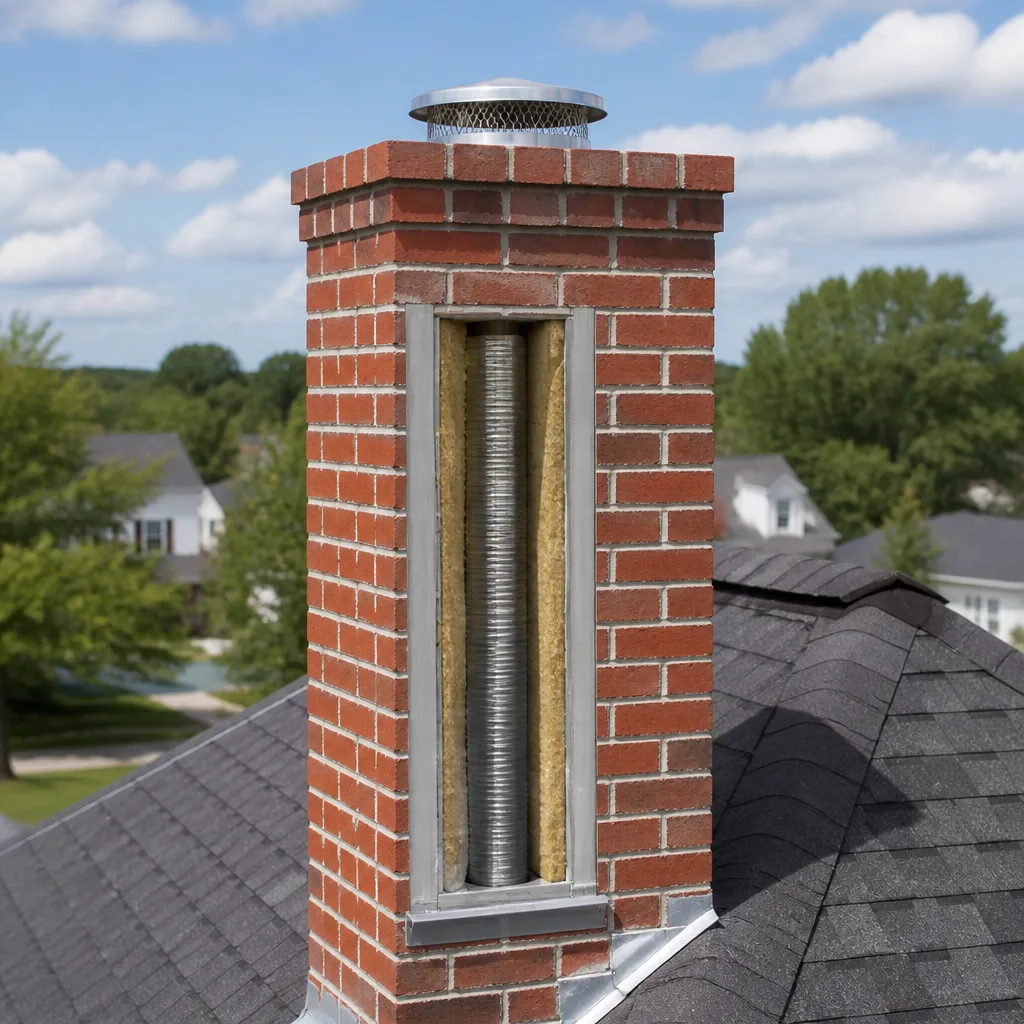
- Cracked, broken or spalling flue tiles, or a liner with open joints. A house with a damaged flue liner shouldn’t burn until it’s addressed.
- Glazed creosote that brushing can’t remove completely. HeatShield resurfacing is often the right answer, and it’s a distinct scope from cleaning.
- Deteriorated mortar joints in the smoke chamber, a damaged firebox, or a warped or seized damper. fireplace repair is its own scope, often paired with a sweep on the same visit.
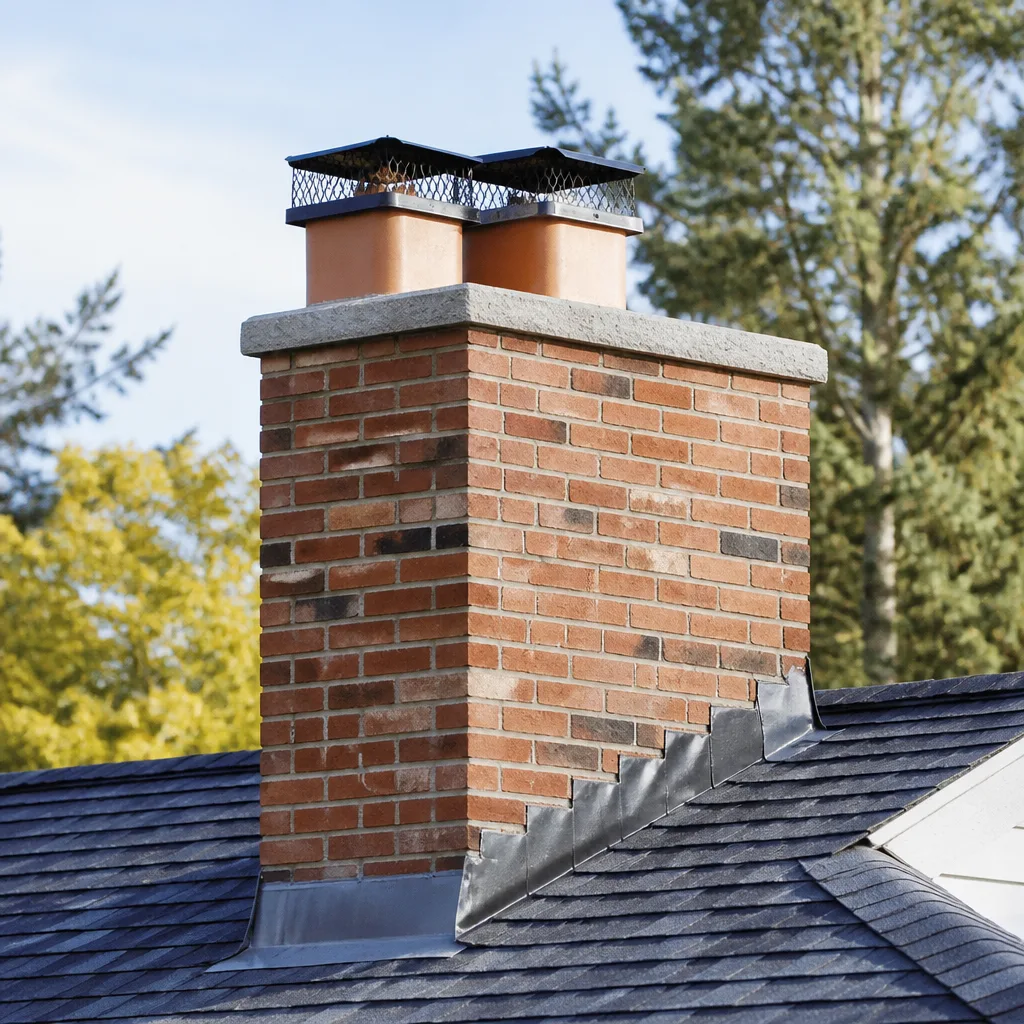
- A failed crown, cracked chimney cap or damaged flashing. Water intrusion is a structural repair, not a cleaning item.
- Structural cracking in the masonry, or a chimney that leans or has loose bricks. This falls under chimney repair and should be evaluated carefully.
The reason this line matters: if you’re told you need a reline or a rebuild, you should be shown the photo or video evidence that justifies it, and you should be told plainly whether the work can wait and under what conditions. Nothing gets recommended here without evidence we can put in front of you. That’s not a slogan, it’s the model. The technician who inspects your chimney is the same trade professional who can repair it, so there’s no hand-off to a separate company, and no reason to inflate a finding to make a repair sale.
Caps, Crowns, and Water at the Top
In our experience, the top of the chimney is where Costa Mesa problems start, and it’s the part homeowners can’t see. Rain and steady humidity work on the crown, the cap, the flashing and the top course of the flue, and every one of those can let water in.
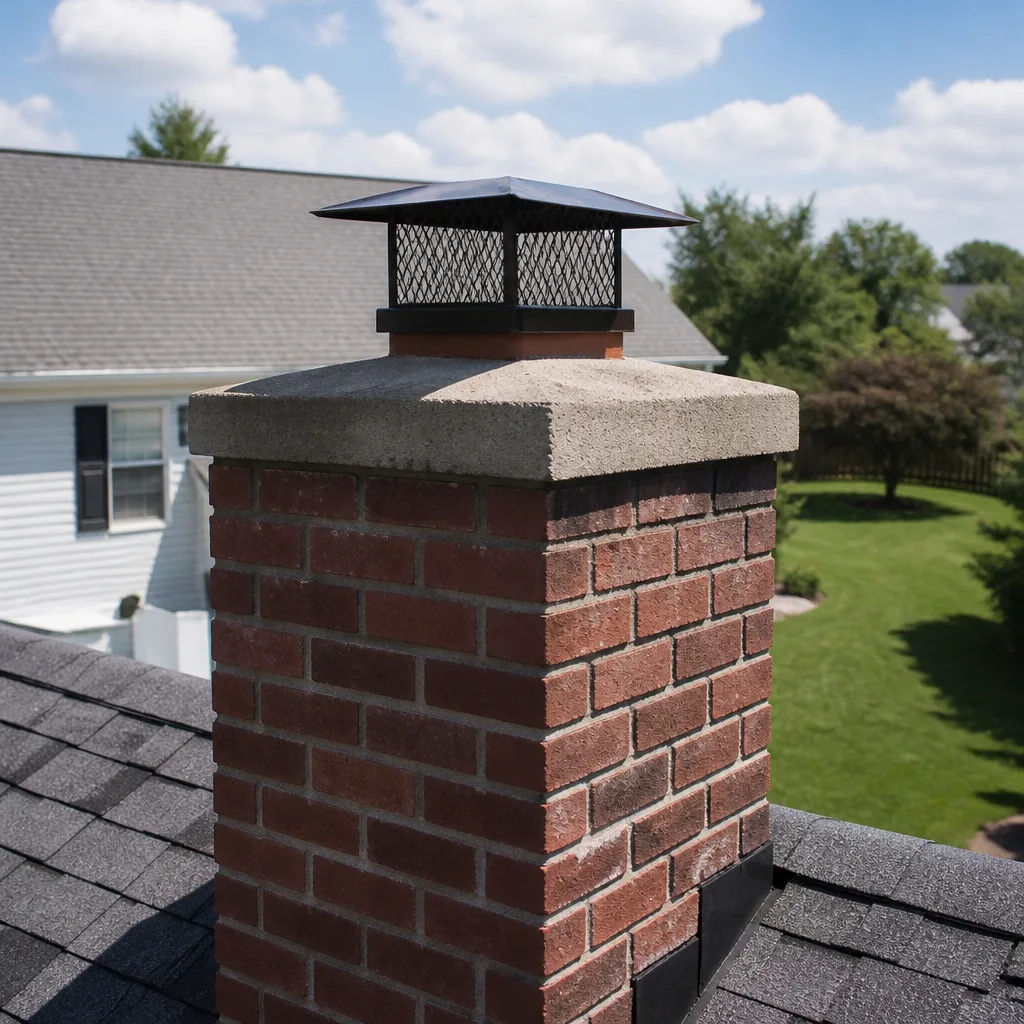
The crown is the concrete cap at the very top of a masonry chimney, sloped to shed water away from the flue. When it cracks, water runs down into the chimney structure, breaks down mortar and finds its way into the flue. A crown repair or rebuild is concrete and masonry work, and it’s often the single most cost-effective thing you can do to keep a chimney healthy in this climate.
The chimney cap covers the flue opening to keep out rain, birds and debris, and it has to be sized and fitted to your actual flue. A one-size cap leads to gaps and leaks. We install cap and crown systems from professional-grade makers such as Gelco, Olympia Chimney and Famco, so the right fit is matched to your chimney instead of improvised. A cap that fits properly is the simplest form of water protection there is.
If you see water stains on the firebox, a damp smell over the summer or crumbling mortar at the chimney top, that’s a water problem, not a cleaning problem. It gets sorted at the source. A sweep that ignores the crown and cap is leaving the root cause in place.
How Often Should You Schedule a Sweep in Costa Mesa?
The general rule of thumb in the chimney trade is to have a chimney swept and inspected once a year, regardless of how much you burn. In a mild climate like Costa Mesa, that annual check is even more important because a low-use fireplace gives you almost no visible warning that something’s wrong. You won’t see thick soot, but moisture and glazed creosote may be quietly working on the flue.
Rather than fix a number, think about what triggers a visit. Schedule a sweep when any of the following applies:
- It’s been a year or more since your last documented inspection.
- You’re about to start using the fireplace for the season, so the flue gets checked before the first fire.
- You’ve burned a noticeable amount since the last sweep, or you’ve had a chimney fire or a strong smoke event.
- You’re buying or selling a home and need a Level 2 inspection to document the flue’s condition.
- You’ve installed a new insert or changed the fireplace type.
- You notice a strong odor, a smoky draft, water stains or crumbling mortar at the top.
For most Costa Mesa homes, that works out to a sweep around once a year, timed before the cooler season or before a sale. Keep the written report from each visit. It’s the fastest way to know whether something is new or has been there for years, which is exactly what protects you from being sold work you don’t need.
Common Mistakes to Avoid
- Treating low use as no risk. A handful of fires a year in Costa Mesa’s humidity can build glazed Stage 2 creosote that a flaky-soot mindset will entirely miss. Skipping the annual inspection is the mistake.
- Letting a general handyman clean the chimney. Chimney work uses chimney-specific tools, materials and inspection equipment. A generalist with a brush and a ladder can knock down soot but can’t assess a glazed liner or document a crown failure.
- Buying a reline without seeing the evidence. Ask to see the camera footage and photos before any major work is agreed. In our model the picture is there, and if someone can’t show you, that’s your signal to slow down.
- Cleaning the flue and ignoring the cap and crown. Water intrusion at the top undermines everything below it. Fixing the top is part of keeping the chimney clean, not a separate afterthought.
- Assuming a gas insert needs no inspection. Gas fireplaces produce no creosote but still need venting, debris and component checks, and a professional eye on carbon monoxide risk. It’s a different job, not no job.
- Burning wet or unseasoned wood to save money. Green wood burns cooler and deposits more creosote, which is the last thing a low-use Costa Mesa fireplace needs. Seasoned, dry wood burns cleaner and dries the flue better.
- Skipping the sweep after a strong smoky fire. A poorly drafting fire or a chimney fire can damage the liner. That’s a call for a proper inspection, not a wait-and-see.
See the difference
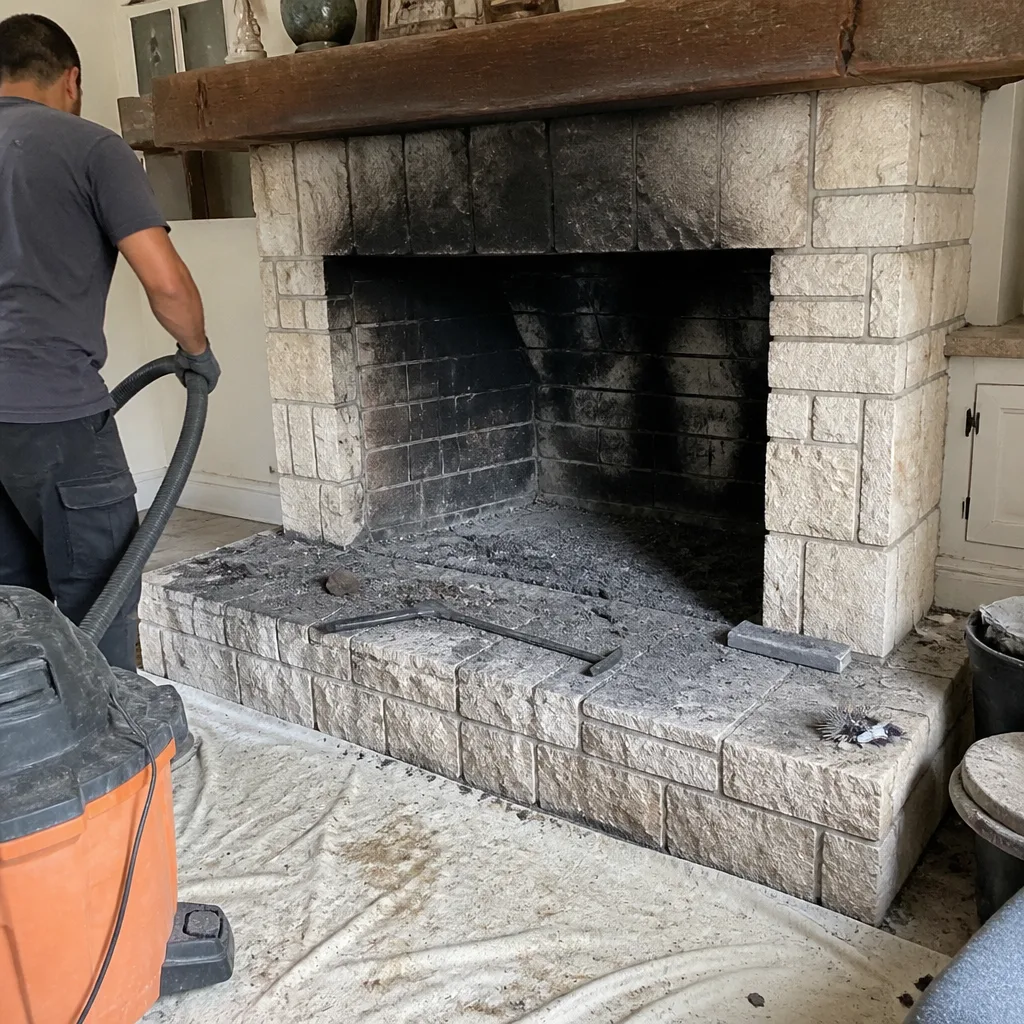 Before
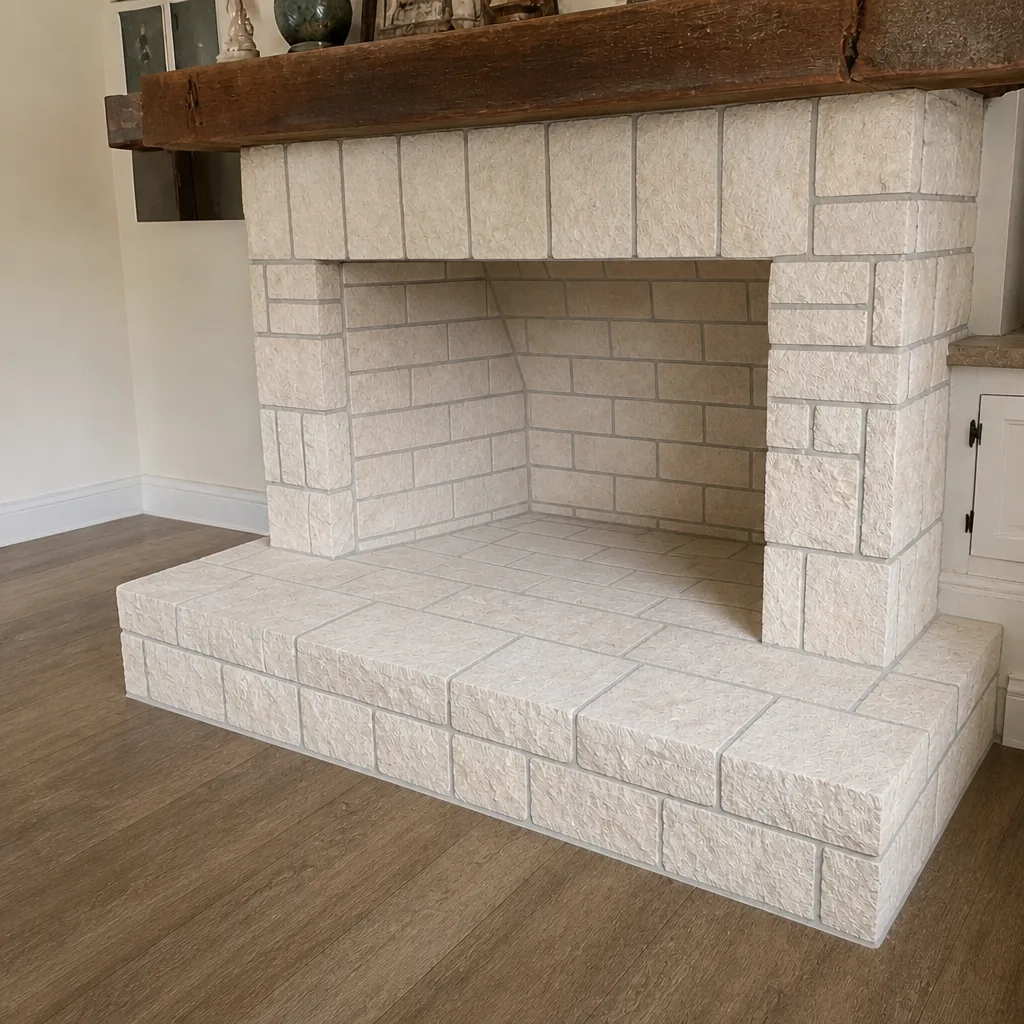 After
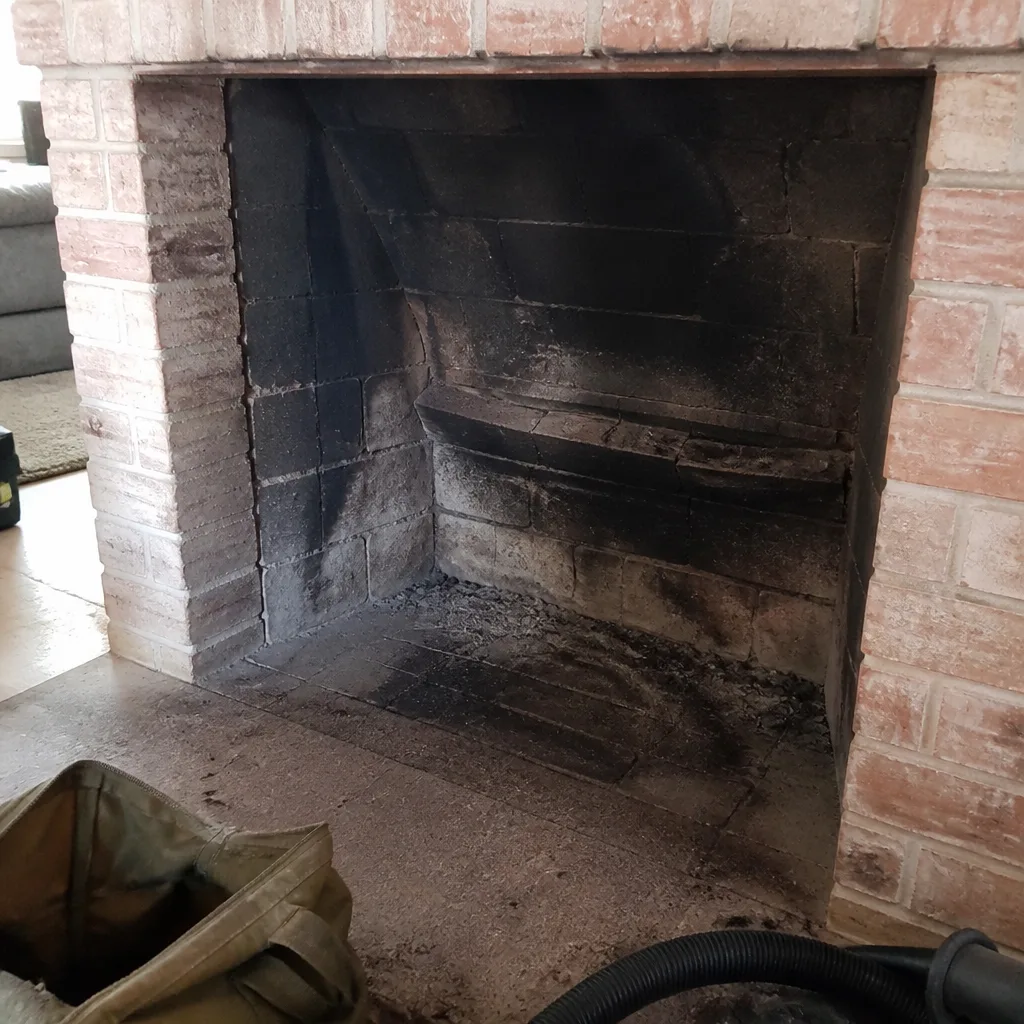 Before
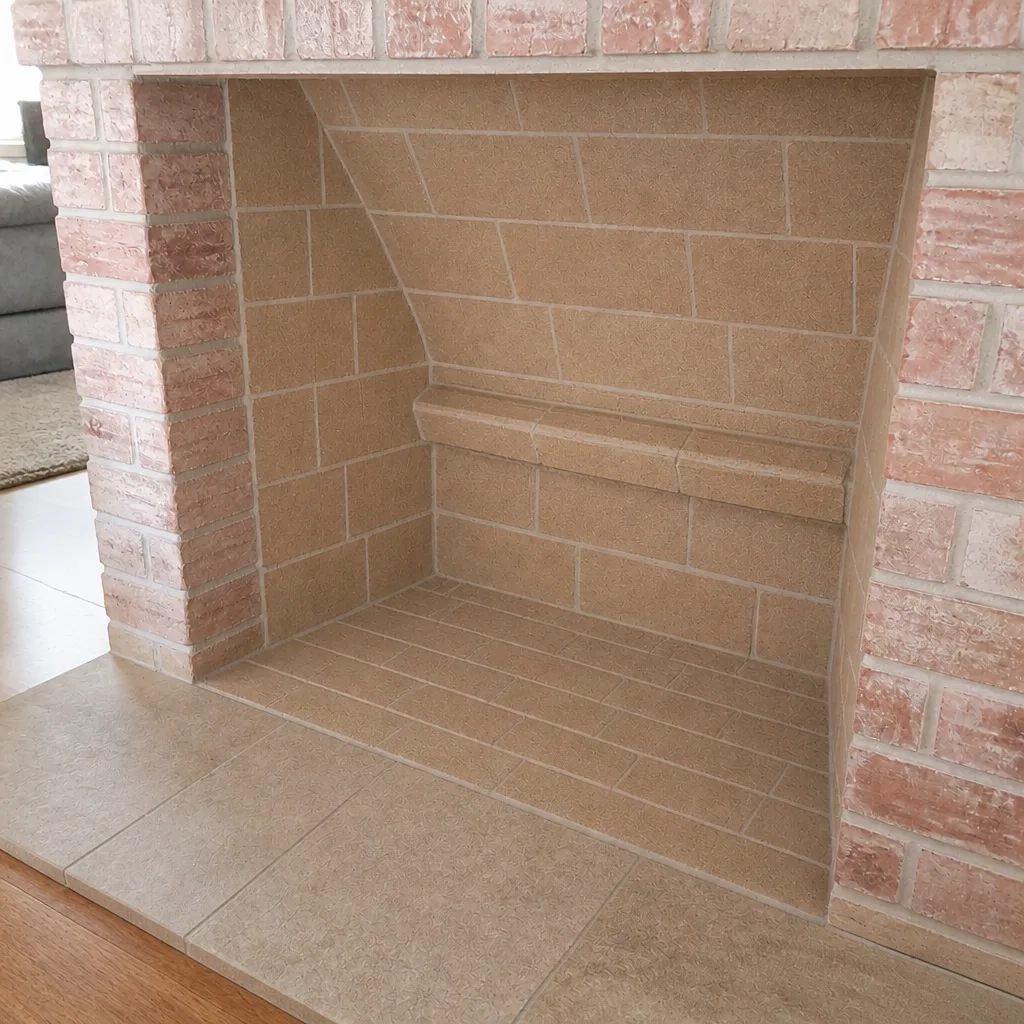 After
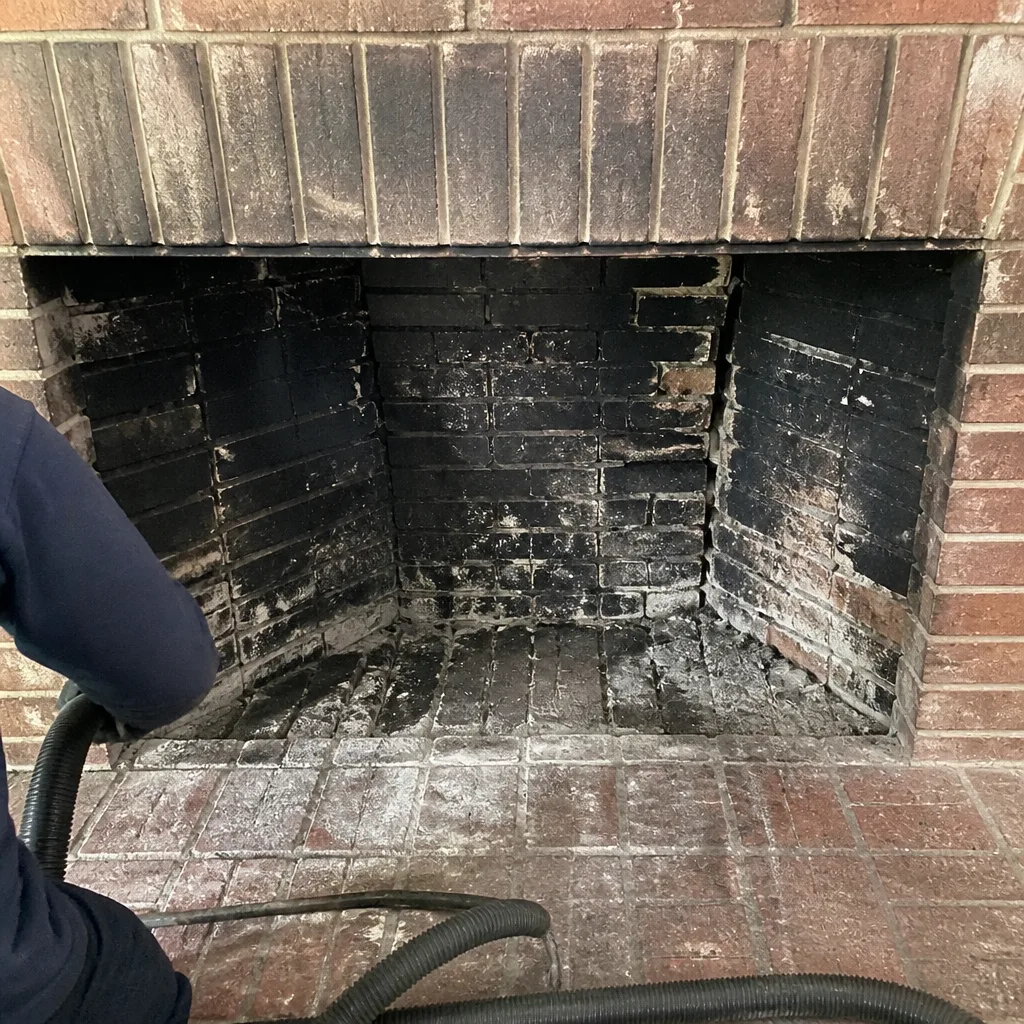 Before
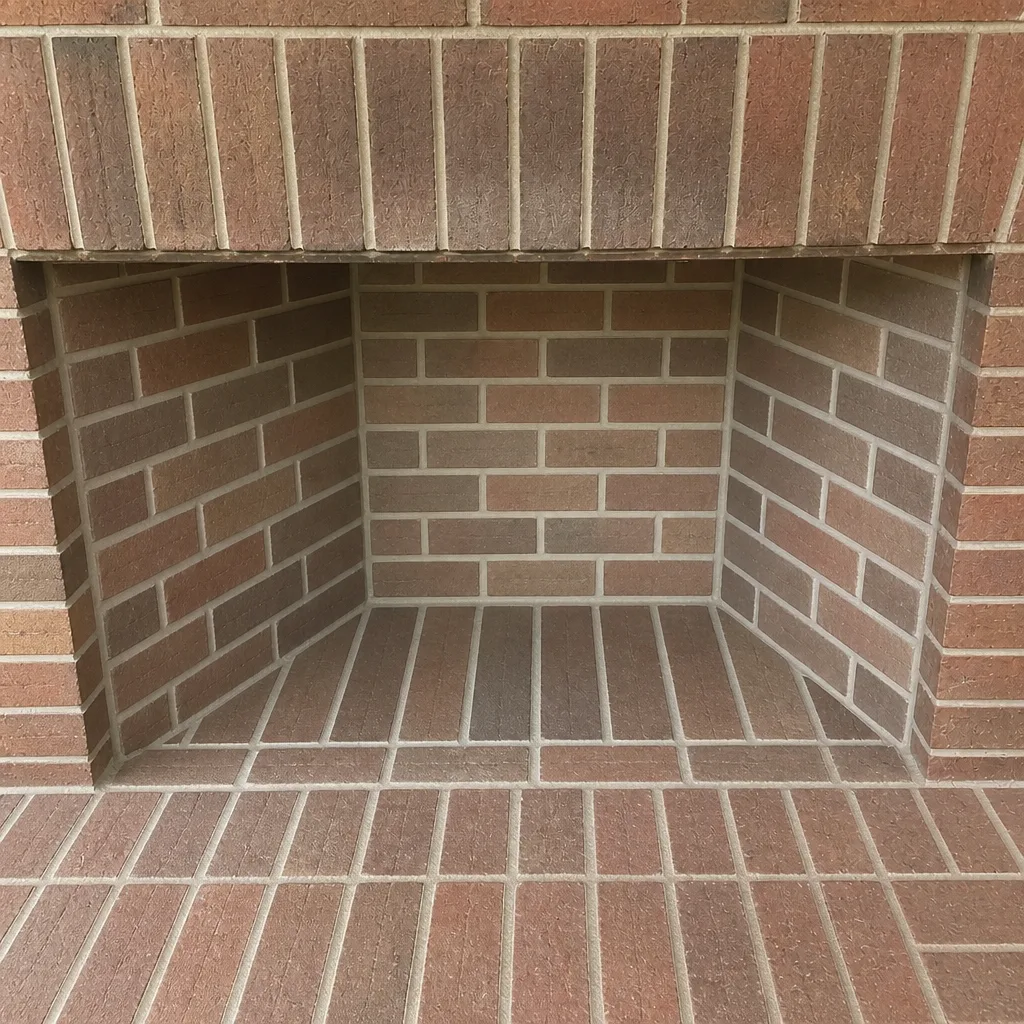 After
When to Call a Professional
Some chimney situations call for a trained technician, not a ladder and a flashlight. Call a professional if you smell a heavy, tar-like odor from the fireplace even when it’s cold, if smoke rolls back into the room instead of going up the flue, if you see water stains or crumbling mortar at the chimney top, or if you’ve had a chimney fire or a strong smoke event. Call before using a gas insert that hasn’t been inspected in a while, and before burning in any home you’ve just bought. The chimney trade treats a cracked liner or a clogged vent as a stop-burning condition, so don’t overlook those.
Costa Mesa Chimney Sweep Pros offers free estimates in Costa Mesa. Call (877) 792-5891. We answer 24/7. Fast dispatch from 7am to 7pm, Sunday through Friday.
Frequently Asked Questions
The price depends on the fireplace type, how heavy the build-up is, and whether the visit includes a camera inspection or a repair scope. A routine sweep of a wood-burning fireplace is priced at the lower end, while a gas insert evaluation or a combination sweep and repair is priced higher. The price is per job and set by a free written estimate, so you know the number before any work begins. Call (877) 792-5891 for an exact quote – estimates are free.
Yes, and the reason is the deposit you can’t see. A low-use fireplace in Costa Mesa builds thin, glazed creosote faster per fire than a heavily used one because the fires run cooler and the flue stays damp. Once a year is the working rule so the flue can be inspected and glazed creosote caught early. Call (877) 792-5891 to schedule a free estimate.
A Level 1 is a basic visual check of the accessible chimney and is right for routine maintenance. A Level 2 adds camera access to the flue and is the standard for home sales, new inserts, changed appliances and post-incident checks. A Level 3 is a diagnostic inspection that may involve opening parts of the structure to reach a suspected problem. Call (877) 792-5891 and we’ll confirm which level your chimney needs.
Gas fireplaces don’t produce creosote, but they still need service and inspection. Gas inserts need their venting, termination, burners and components checked, and debris or blockages cleared, because carbon monoxide is the real concern with any gas appliance. That’s a professional job, not a do-it-yourself one. Call (877) 792-5891 for a free estimate on a gas fireplace inspection.
Creosote accumulates, water works on the crown and liner, and the flue can crack, corrode or develop open joints over time. A glazed liner can worsen until resurfacing or a reline is the answer, which is more work and more investment than an annual sweep would have been. The annual inspection is the cheapest version of this job. Call (877) 792-5891 with what you’ve noticed and we’ll start there.
Yes, a properly fitted chimney cap is one of the simplest ways to keep out rain, birds and debris, and to protect a flue that sees little burning. The cap has to match your actual flue size and configuration, so a one-size cap can leave gaps. We install caps and crown systems from Gelco, Olympia Chimney and Famco sized to your chimney. Call (877) 792-5891 for a free estimate.
The Bottom Line
Chimney cleaning in Costa Mesa is a routine annual task, and the conditions here make it more important to do properly. Low use plus steady humidity produces thin, glazed creosote and water wear at the crown and cap, and neither one shows up as the thick soot layer people expect. Get the flue swept and inspected on a yearly schedule, ask which inspection level you’re getting, and ask to see the camera evidence before you agree to any repair. A cleaning is a cleaning, and a real repair or reline should always come with proof.
Call (877) 792-5891 to book your free estimate. We answer 24/7. Fast dispatch from 7am to 7pm, Sunday through Friday.
Written by the team at Costa Mesa Chimney Sweep Pros.