
Last updated November 25, 2026
 Sweep & inspection
 Caps & crowns
 Flue relining
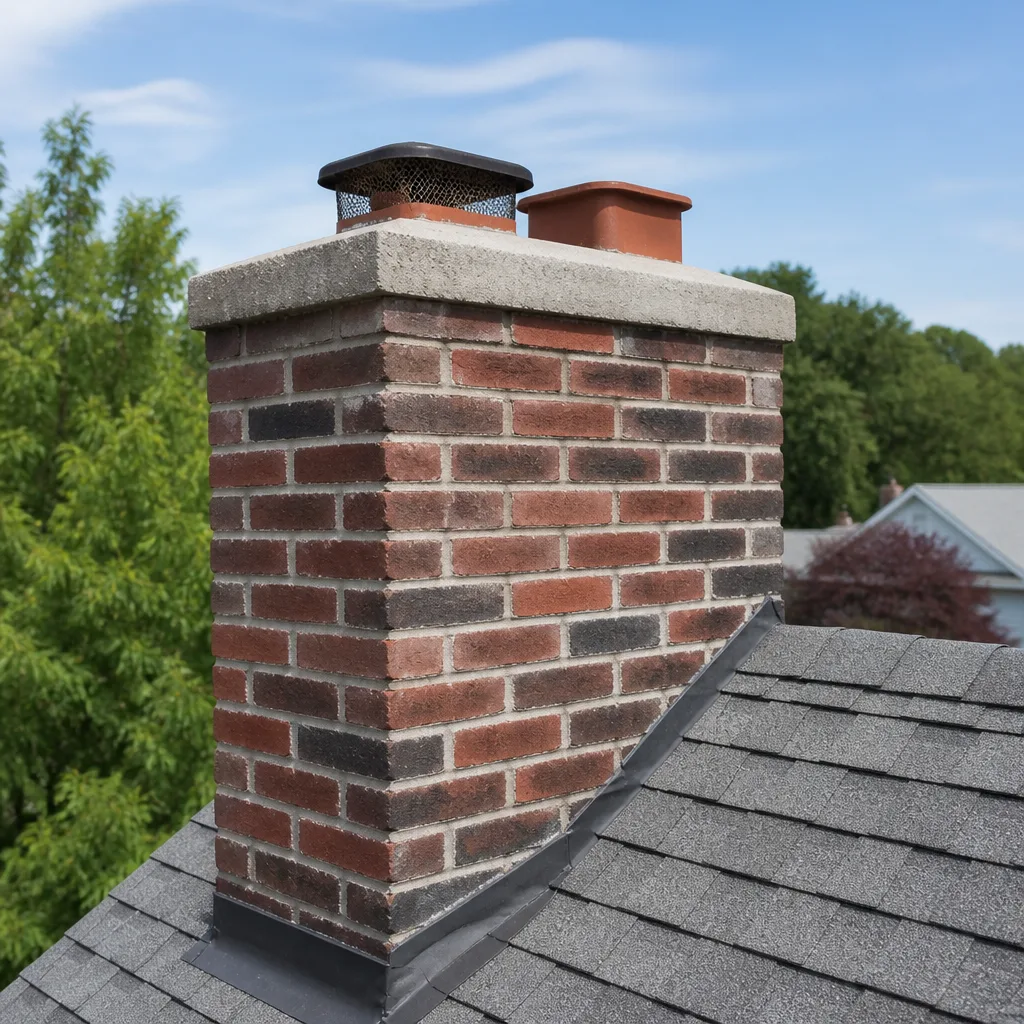 Masonry repair
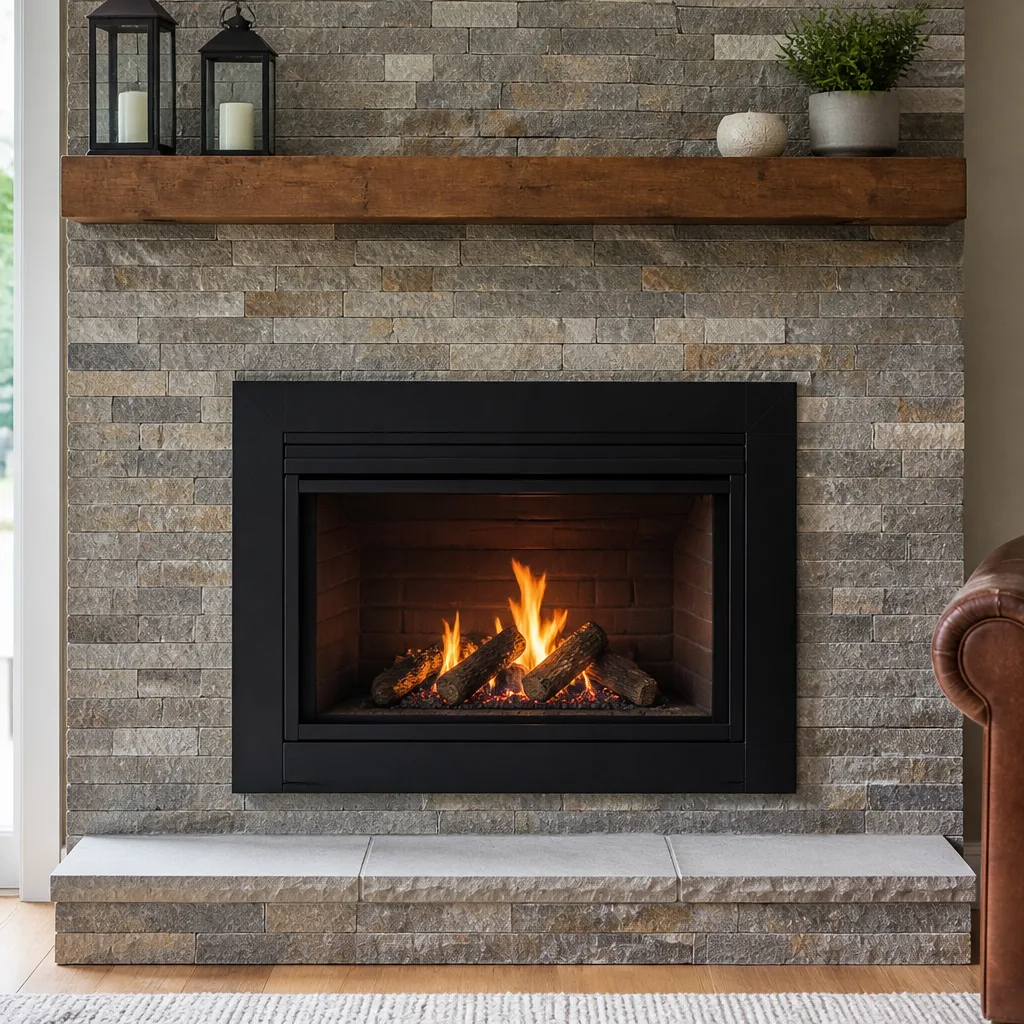 Gas fireplace service
Level 1 sweep and inspection to the NFPA 211 annual standard - flue, crown, cap, and flashing checked and photographed
Chimney sweep logs do not sweep chimneys. They loosen some creosote - which then falls where a brush and vacuum still have to collect it.
Seasonal Chimney Cleaning Care for Costa Mesa: Year-Round Homeowner’s Guide
The usual advice is to sweep the chimney before winter and forget about it until the leaves turn. In Costa Mesa, that single annual rhythm is the wrong model. Santa Ana conditions can push fire risk and ember travel into October, while the summer marine layer keeps moisture sitting in flues for weeks at a time. There’s no hard freeze to force the issue and no obvious seasonal trigger, which is exactly why chimneys here get neglected. This guide reframes the calendar around the risks that actually exist in Costa Mesa: when moisture does its damage, when wind events matter, when to book the pre-season sweep, and how to pace inspections to the amount of wood you actually burn. You’ll finish knowing what to check and when to call.
Quick Answer
In Costa Mesa, the best time for an annual chimney sweep is late September, ahead of the first fire and the Santa Ana wind season, not December. Summer is the highest-moisture period for local flues because the marine layer keeps humid air sitting inside the chimney for extended stretches, which is when mortar and steel components take on damage. Add a spring check after your last fire, and set inspection frequency by how much you actually burn rather than by the calendar alone.
Styles & brands we work with
- Sweep & inspection
- Caps & crowns
- Flue relining
- Masonry repair
- Gas fireplace service
Table of Contents
- Why the Standard Fall-and-Spring Chimney Calendar Doesn’t Fit Costa Mesa
- Why Summer Is the Highest-Moisture Season for Costa Mesa Flues
- Santa Ana Winds: Updraft, Downdraft, and Ember Risk
- The Right Time to Book a Pre-Season Sweep in Costa Mesa
- Spring Tasks Most Homeowners Skip
- Matching Inspection Frequency to Your Actual Fire Use
- The Costa Mesa Chimney Care Calendar at a Glance
- What a Proper Sweep and Inspection Includes Here
Why the Standard Fall-and-Spring Chimney Calendar Doesn’t Fit Costa Mesa
Most chimney advice is written for places with four distinct seasons. The logic runs like this: you burn all winter, the flue loads up with creosote, spring arrives, you clean it out, and you repeat. Costa Mesa doesn’t hand you that rhythm. Winters are mild, the burning season is shorter and less intense, and there’s no dramatic thaw or freeze to signal a change. What you get instead is a long, steady stretch of moderate weather with two real pressure points: a humid summer and an autumn wind season.
That difference matters because the threats to a chimney aren’t only the ones cold-climate advice talks about. In Costa Mesa, the biggest ongoing risk is water vapor and humidity working slowly on the parts of the system you never see. Creosote still builds up when you burn, of course, and it still needs removing. But the seasonal pattern of when that work matters most is different here.
Three shifts to keep in mind:
- Your peak inspection value is late summer, not late fall. By the time December arrives, the humid season has already done its work. Catching moisture damage in September gives you time to fix it before the first fire.
- Your moisture exposure peaks in summer, when you’re not thinking about the chimney at all. No fires, no smoke smell, no reason to look up the flue.
- Your wind-driven risk peaks in autumn. Santa Ana events change how the chimney drafts and how embers behave, and that’s a cap and screen question as much as a sweep question.
So the calendar we recommend to Costa Mesa homeowners isn’t fall-and-spring in the traditional sense. It’s a late-September anchor with a spring check and a summer awareness period in between. The rest of this guide walks through each piece.
Why Summer Is the Highest-Moisture Season for Costa Mesa Flues
Here’s the counterintuitive part: the season most Costa Mesa homeowners associate with chimney problems, winter, is actually the driest stretch for the flue. Summer is when the moisture load is highest. The marine layer that keeps mornings cool and hazy pushes humid air inland, and that humid air finds its way into chimneys that aren’t drawing a fire. When a chimney sits idle for months with damp air inside it, several things start to happen.
What moisture does to mortar
The mortar joints in a masonry chimney are porous. They absorb moisture and release it slowly. In a climate with a long humid season and no hard freeze to drive water deep and split the masonry, the damage is less dramatic than a freeze-thaw crack but just as real over time: mortar softens, erodes, and starts to crumble at the joints. You won’t see it from the ground. You’ll see it when a technician is up on the crown checking the top courses.
What moisture does to the liner and steel components
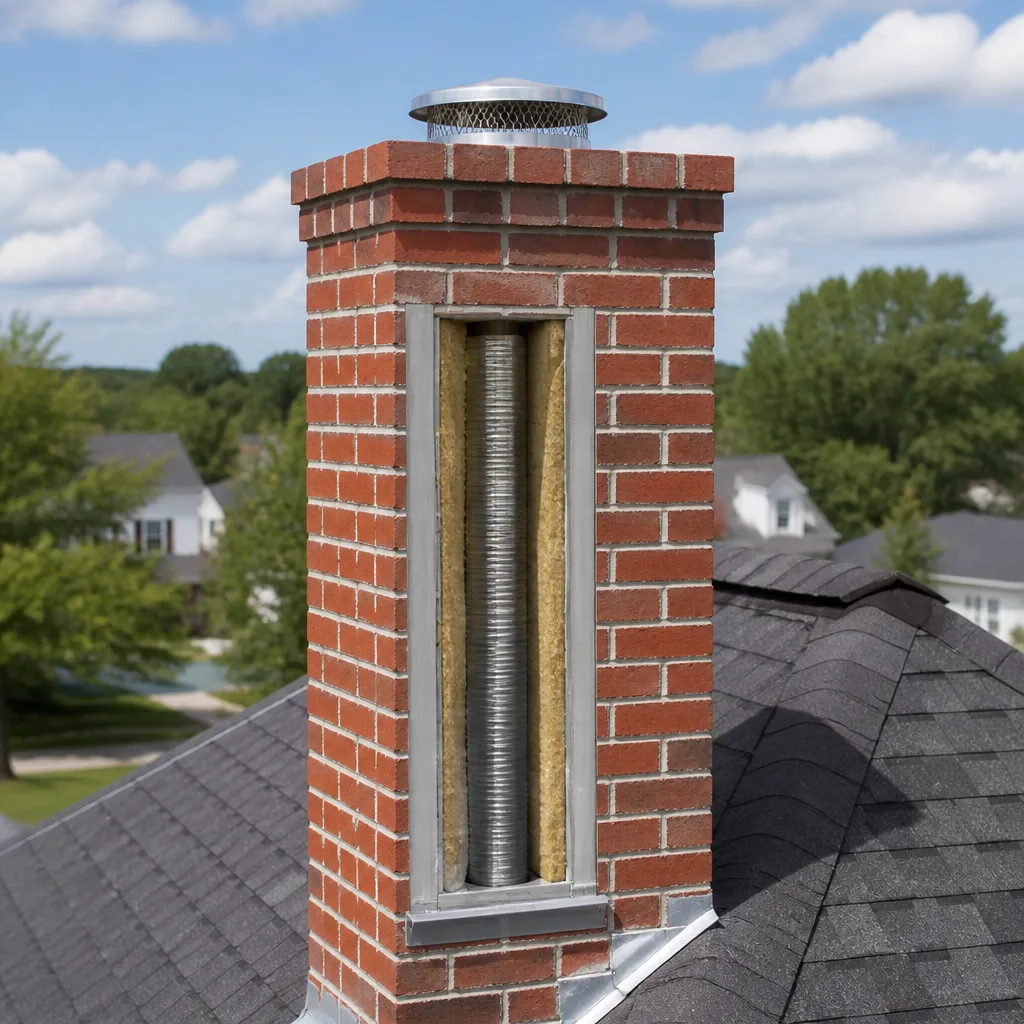
A clay tile liner handles damp reasonably well but a cracked tile lets moisture reach the masonry behind it. A stainless liner is more forgiving, which is one reason we work with DuraFlex for relining, but the connections and the top plate are where moisture intrusion tends to show up. Steel damper components and the firebox metal can corrode when a chimney stays damp and idle. None of this announces itself. That’s the point.
What you can check without climbing anything
- Look for efflorescence, the white chalky staining on exterior brick or block. It’s a sign moisture is moving through the masonry.
- Check the firebox floor and damper area for rust or damp ash after a humid stretch.
- Look for staining on the ceiling or wall near the chimney chase, especially after a humid period.
- Smell the firebox on a cool morning after weeks without a fire. A musty or damp smell is worth a professional look.
If any of those show up in a Costa Mesa home, it’s a good reason to book a chimney sweep and inspection in late summer rather than waiting. A camera inspection shows you what’s happening inside the flue instead of asking you to take it on faith.
Santa Ana Winds: Updraft, Downdraft, and Ember Risk
Santa Ana wind events are the other seasonal force that shapes chimney behavior in Costa Mesa. When those dry, gusting offshore winds push through, they change how a chimney drafts in ways that catch homeowners off guard. A chimney that draws cleanly on a still evening can smoke into the room during a wind event. Understanding why helps you know what to fix.
Updraft and downdraft
A chimney drafts because warm air rises and the flue gives it a path. Strong wind across the top of the chimney changes the pressure at the flue opening. If the wind hits the cap at the wrong angle, or if the flue termination is too low relative to the roof, the chimney can reverse and push smoke back down. This is a cap geometry and chimney height question, not a cleaning question. A properly fitted cap with the right profile for your flue helps steady the draft.
Ember risk
Dry, gusting wind also carries embers farther than still air does. A spark arrestor screen on the cap catches embers before they leave the flue. On a chimney without a proper screen, or with a screen that’s rusted or torn, hot material can escape. This matters more in a dry autumn than it does in a humid summer. It’s one reason we treat cap and crown work as part of seasonal care and not a separate project.
What a cap spec should address for this climate
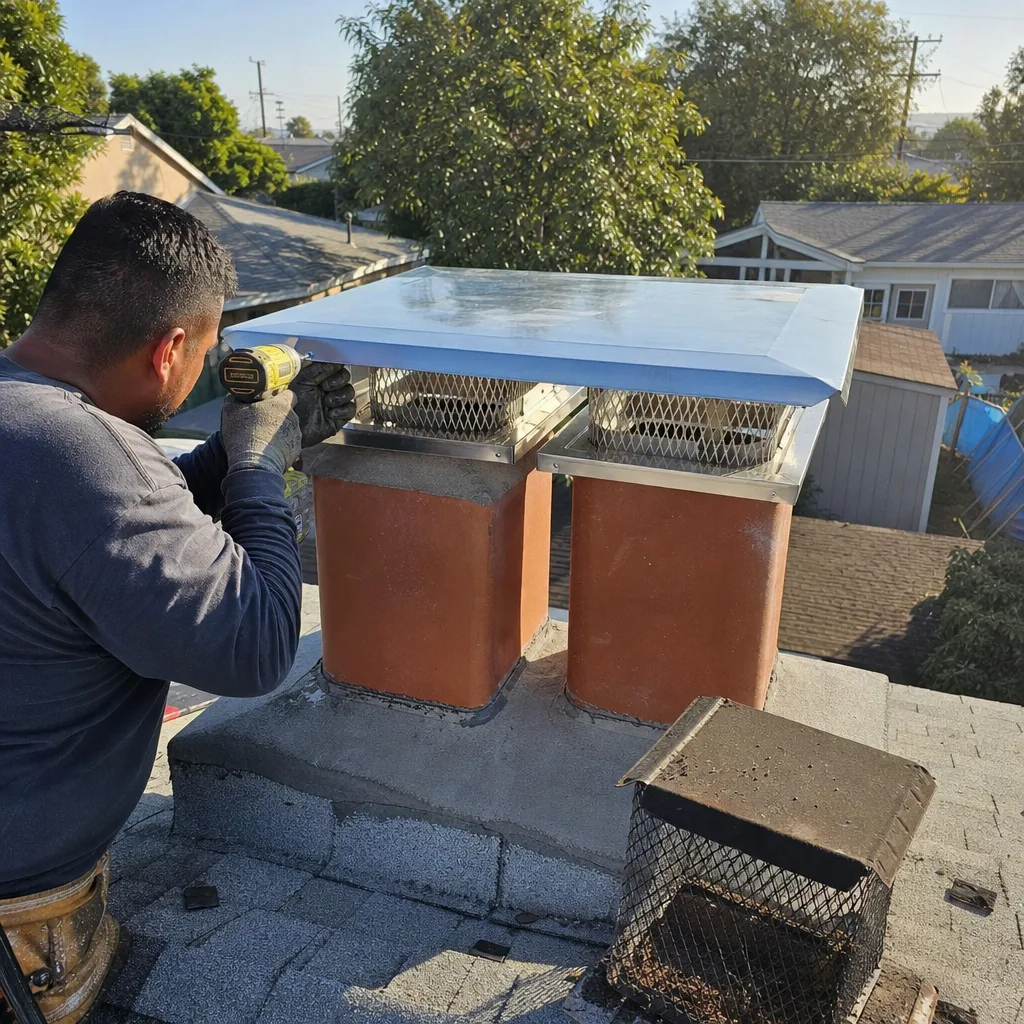
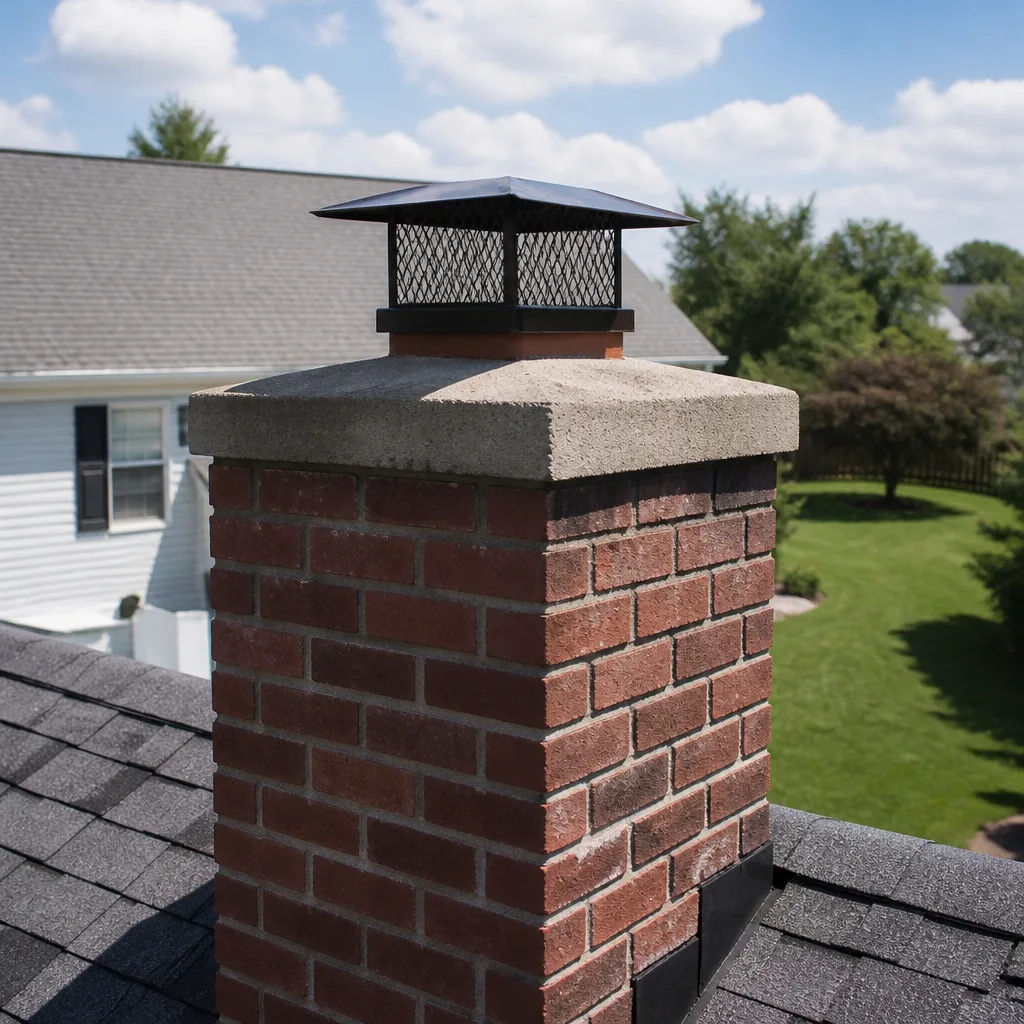
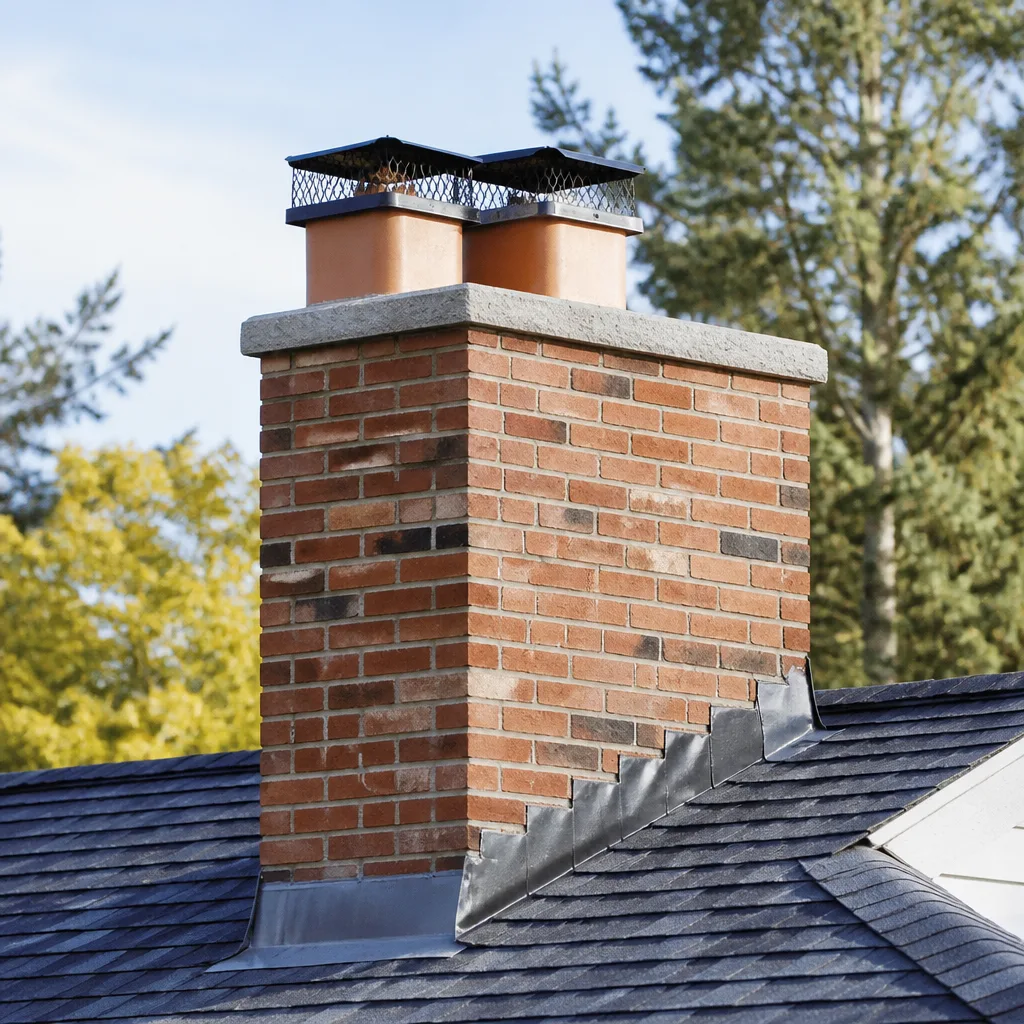
A cap for a Costa Mesa chimney needs to do three things: shed rain, keep animals and debris out, and stop embers. We source caps from professional manufacturers like Gelco, Olympia Chimney, and Famco so the fit matches the flue rather than forcing a one-size screen onto a chimney it doesn’t suit. The screen mesh, the top profile, and how the cap attaches to the crown all matter for how the chimney behaves in a wind event.
If your chimney has no cap, or if the cap is loose, missing screens, or rusted through, that’s the first thing to fix before the next Santa Ana season. It’s a small job with a large effect on both draft and ember safety.
The Right Time to Book a Pre-Season Sweep in Costa Mesa
Late September is the target. Not December. The reasoning is simple: you want the flue clean and inspected before the first fire and before the wind season, so that any repair found has time to be scheduled and completed. Book too late and you’re either burning into a flue you haven’t checked or waiting on a repair while the evenings cool.
Here’s the sequence we recommend to Costa Mesa homeowners, in order:
- Late September: sweep and inspection. Get the creosote out and have the flue camera-inspected. Any cracks, gaps, or moisture damage get identified now, with photos you can see.
- Early October: address findings. If the inspection turns up a glazed creosote layer, a cracked tile, or a cap that won’t cut it, schedule the repair before fire season. HeatShield resurfacing can restore a flue without a full reline, which is worth knowing before anyone quotes you a rebuild.
- Mid-October onward: first fires. Burn with confidence, and check the draft on the first cool evening.
- Through the burn season: watch and listen. A change in how the fire draws, a smoke smell in the room, or a louder roar than usual is a signal to stop and call.
Why late September rather than the traditional October or November? Two reasons. First, the humid summer has already done its work by then, so an inspection catches what the season caused. Second, the Santa Ana season commonly starts in October, so you want the cap and screen sorted before it arrives. Booking in September gives you a window to act on what the sweep finds.
One more thing: you don’t need to wait for a problem to book. A sweep in September is routine, and it’s the cheapest way to know the state of the system. If you’ve been putting it off, the Costa Mesa Chimney Sweep Pros team can schedule a sweep and inspection and tell you plainly whether anything needs attention.
Spring Tasks Most Homeowners Skip
Spring is when Costa Mesa homeowners stop thinking about the chimney, because nothing dramatic happens to prompt them. No snowmelt, no sudden cold snap, no smoke smell. That’s precisely why spring tasks get skipped and why they’re worth doing. After your last fire of the season, the flue has ash and creosote sitting in it, and the humid season is about to begin. A little attention in spring sets up a healthier flue for summer.
The spring checklist:
- Clean out the firebox and ash pit. Ash holds moisture and can corrode the firebox floor over a humid summer. Remove it once the burning season ends.
- Close the damper. An open damper in a humid climate lets damp air into the flue. Close it when the chimney is idle for the season.
- Check the cap and screen. Winter storms and wind can loosen a cap or tear a screen. A quick look after the last fire saves a bigger job in fall.
- Look for moisture signs. Efflorescence, rust at the damper, or staining near the chase are easier to catch in spring than in the middle of the next burn season.
- Note how the season went. Did the chimney smoke back? Did you burn more than usual? Did you notice a smell? These notes make the fall inspection more useful.
Spring is also a good time to think about whether your burning habits are building creosote faster than they should. Burning seasoned wood, avoiding smoldering fires, and keeping the flue warm enough to vent cleanly all reduce how much builds up by the next sweep. We’ve seen Costa Mesa chimneys that needed far less cleaning than expected because the homeowner burned dry wood and let the fire burn hot; we’ve also seen the opposite. It’s not the wood alone, it’s the pattern.
If spring cleaning turns up something that needs repair, it’s a much easier fix to schedule in spring than to discover in October. A chimney repair scheduled in spring has room to be done right before the next season.
Matching Inspection Frequency to Your Actual Fire Use
The annual sweep is a useful default, but it isn’t right for everyone. How often you should have the chimney inspected depends on how much you actually burn. A homeowner who lights five fires a year has a very different flue after a year than one who burns thirty. Here’s how we think about the pacing for Costa Mesa homes.
The approximate frequency chart
| Fires per year | Typical inspection and sweep frequency | What to watch |
|---|---|---|
| 0 to 5 (occasional) | Annual inspection is usually more than enough; sweep when the inspection shows buildup or at least every couple of years | Moisture and animal intrusion, since idle chimneys attract nesting |
| 5 to 15 (moderate) | Annual sweep and inspection before the season | Creosote buildup, draft changes, cap condition |
| 15 to 30 (regular or heavy) | Annual sweep, and a mid-season check if the flue loads quickly | Glazed creosote, liner cracking, damper wear |
| 30+ (frequent or near-continuous in season) | Sweep at the start and consider a second sweep mid-season | Heat stress on mortar, accelerated liner wear |
These are estimates, and the right number depends on what’s actually in your flue. A camera inspection is what tells you whether the buildup justifies a sweep now or can wait. That’s how we work: the inspection comes first, the recommendation follows, and you see the photos before any work is recommended. Nothing is quoted without camera evidence you can look at yourself.
If you’re unsure which row of that table you’re in, count your fires for a season. Most homeowners underestimate. Even an occasional burner is worth an annual inspection if the chimney sits idle through a humid summer.
The Costa Mesa Chimney Care Calendar at a Glance
Here’s the year summarized. Think of it as a rotation rather than a single task.
- Spring (after the last fire): Clean out the firebox, close the damper, check the cap and screen, and look for moisture signs.
- Early summer: This is the high-moisture period. Keep the damper closed, watch for efflorescence or staining, and don’t worry about sweeping unless you have a moisture concern.
- Late August and early September: Book the pre-season sweep and inspection so any findings can be addressed before October.
- Late September: Sweep and camera inspection. Review photos. Decide on any cap or crown work, and on whether a flue resurfacing makes sense.
- Early October: Complete recommended repairs before the Santa Ana season and the first fire.
- October through March-ish: Burn season. Watch the draft, and stop burning if you notice smoke in the room, a strange smell, or a change in how the fire draws.
- Any time you move in or buy a Costa Mesa home: Book an inspection before the first fire, regardless of month. A prior owner’s burning habits are unknown.
That’s the whole calendar. Two planned touchpoints, one awareness period, and an inspection when ownership changes hands.
What a Proper Sweep and Inspection Includes Here
A sweep isn’t just running a brush up the flue. In a dedicated chimney practice, a proper service runs from the top of the chimney to the firebox and includes the parts you can’t see. Knowing what a complete job looks like is how you tell a thorough sweep from a quick one.
- The firebox and damper. Ash removed, the firebox visually checked for cracks, the damper checked for smooth operation.
- The flue. Swept top to bottom with the correct brush for the liner type, then inspected with a camera to see the whole run.
- The smoke chamber and shelf. Often overlooked. The area above the damper collects creosote that affects draft and safety.
- The cap and crown. Checked for fit, screen condition, cracks, and how the cap attaches. If a replacement is warranted, the fit is matched to the flue from professional manufacturers such as Olympia Chimney or Famco.
- The exterior. The crown checked for cracks, the brick and mortar checked for moisture damage, and any efflorescence noted.
Where a liner is in poor shape but the chimney structure is sound, HeatShield resurfacing can restore the flue without a full tear-out. It’s a specific capability worth asking about before accepting a quote for a full reline. Where a new liner genuinely is the right answer, we install DuraFlex for a traceable, warranted component rather than an unknown product. Either way, you should know exactly what’s going into the chimney.
If you want a closer look at the repair side of the scope, the fireplace repair page covers the firebox and damper work in more depth.
Common Mistakes to Avoid
- Treating winter as the trigger. Costa Mesa’s winters are mild, so waiting for a cold snap to motivate a sweep often means the humid summer has already done its damage. Book in September instead.
- Assuming no smoke means no problem. A clean-burning fire with no visible smoke can still be laying down creosote and can still hide a cracked tile. The only way to know is an inspection.
- Ignoring the chimney through summer. Summer is the highest-moisture period for a Costa Mesa flue. Leaving the damper open and the firebox full of ash through the humid months is the easiest way to invite corrosion and moisture damage.
- Putting off cap and screen repairs until after the wind season. A loose or missing cap is a draft and ember problem that shows up exactly when Santa Ana winds arrive. Fix it before October.
- Sweeping without inspecting, or inspecting without repair capability. A sweep that doesn’t include camera inspection can miss the cracks that matter, and an inspector who can’t do the repair you may need turns into a hand-off to someone else.
- Accepting a full reline quote without asking about HeatShield. Resurfacing can restore a flue that a rebuild quote would replace, at a very different scope. Ask which approach your chimney actually needs.
- Burning wet or green wood to save on cost. Unseasoned wood burns cool and smolders, which builds creosote faster. The saving in wood cost often shows up as a bigger sweep bill.
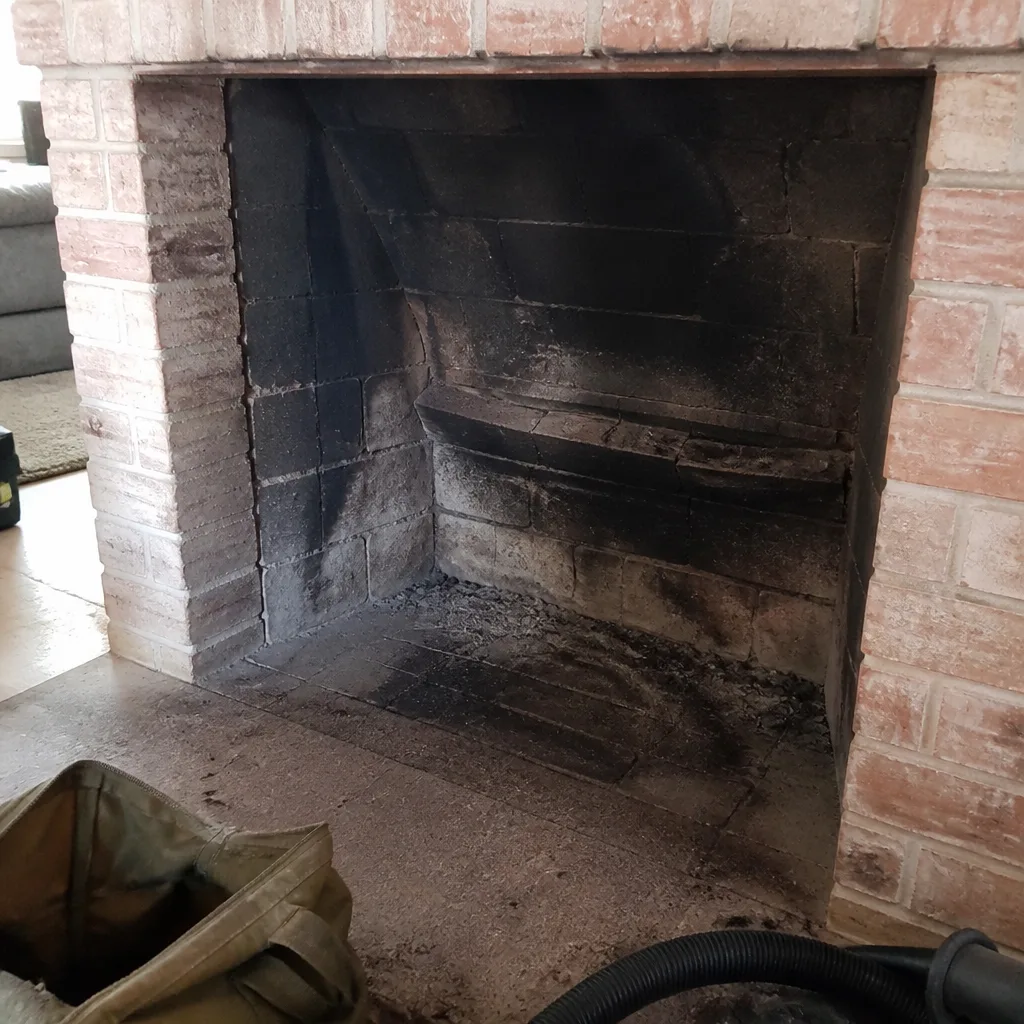
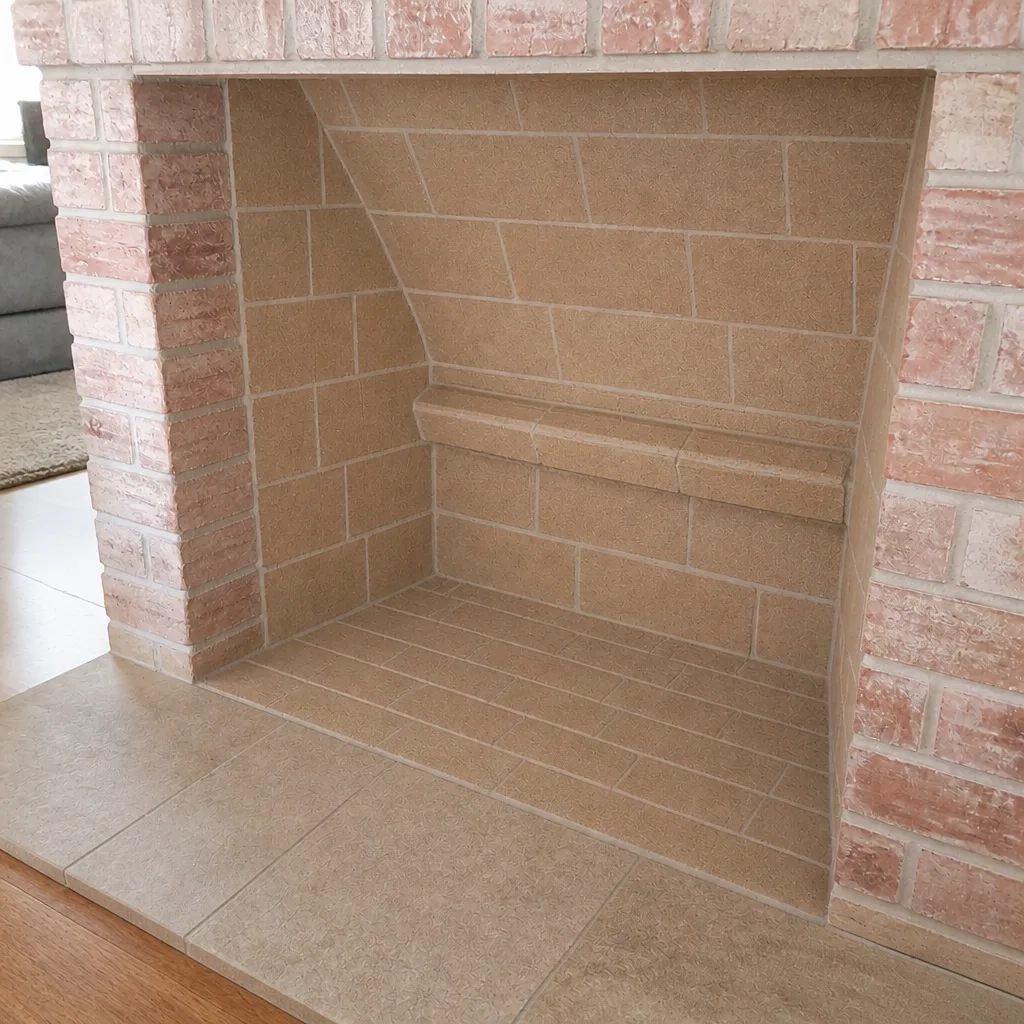
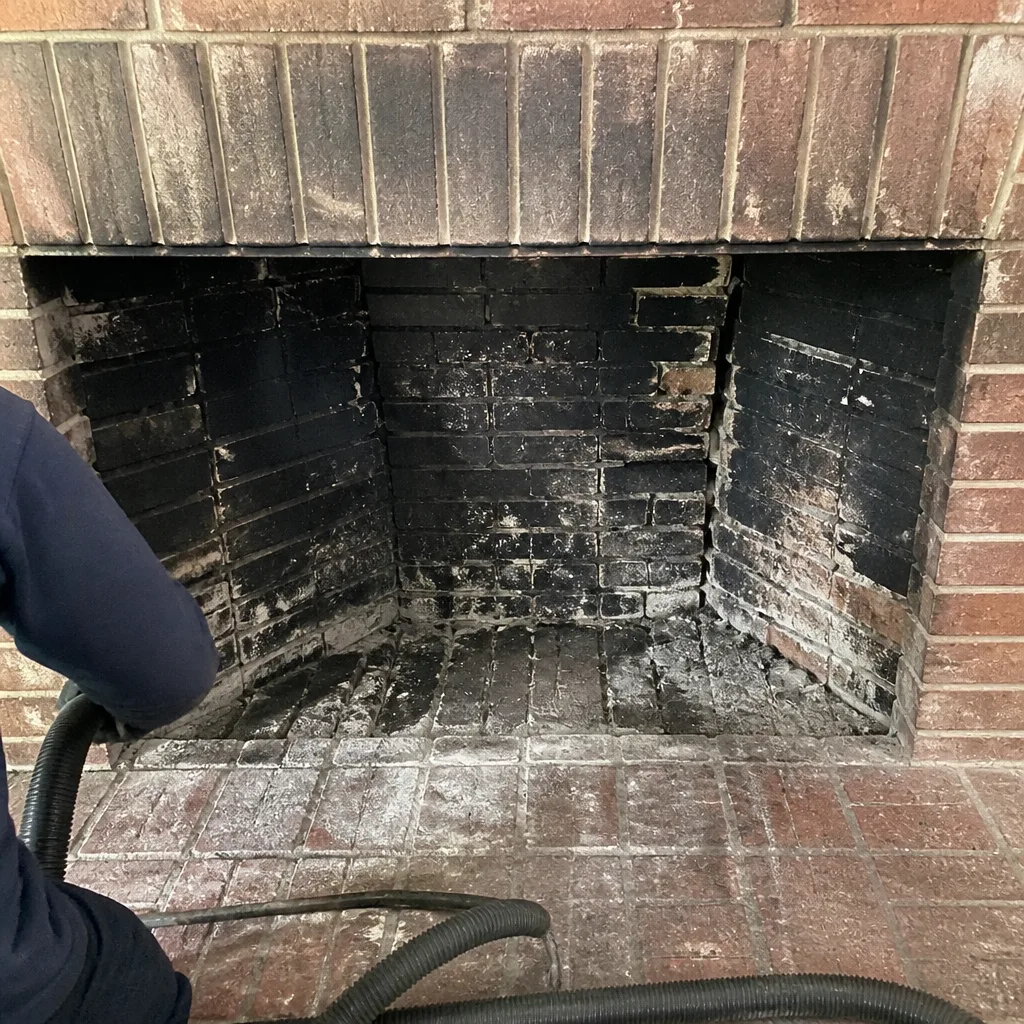
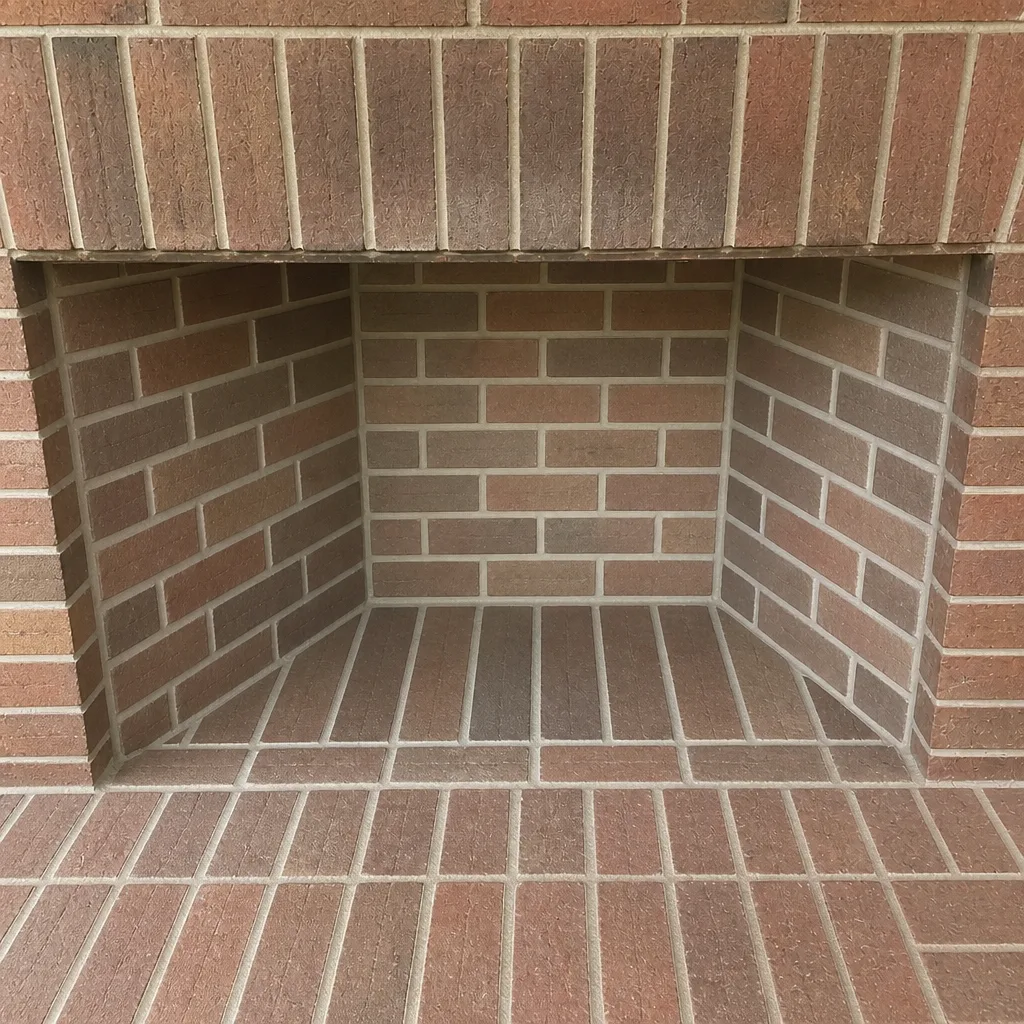
See the difference
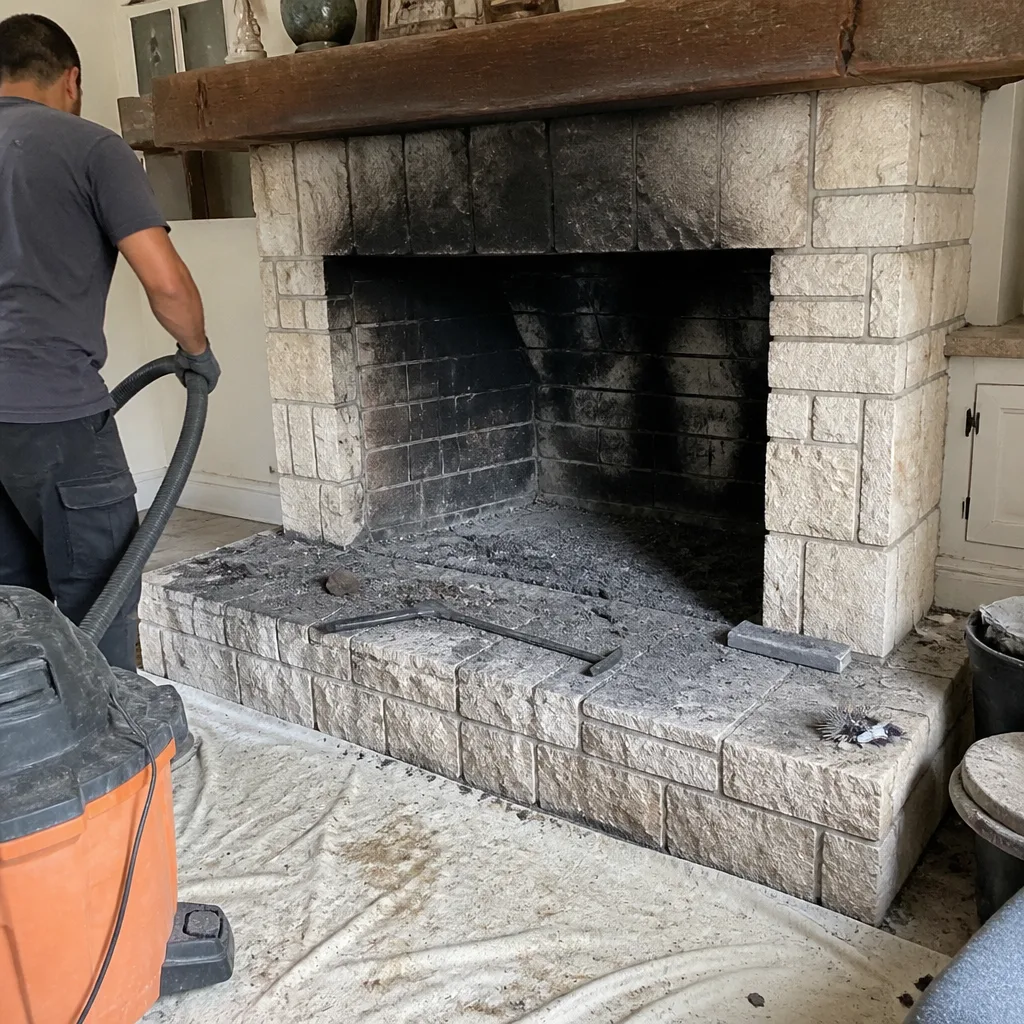 Before
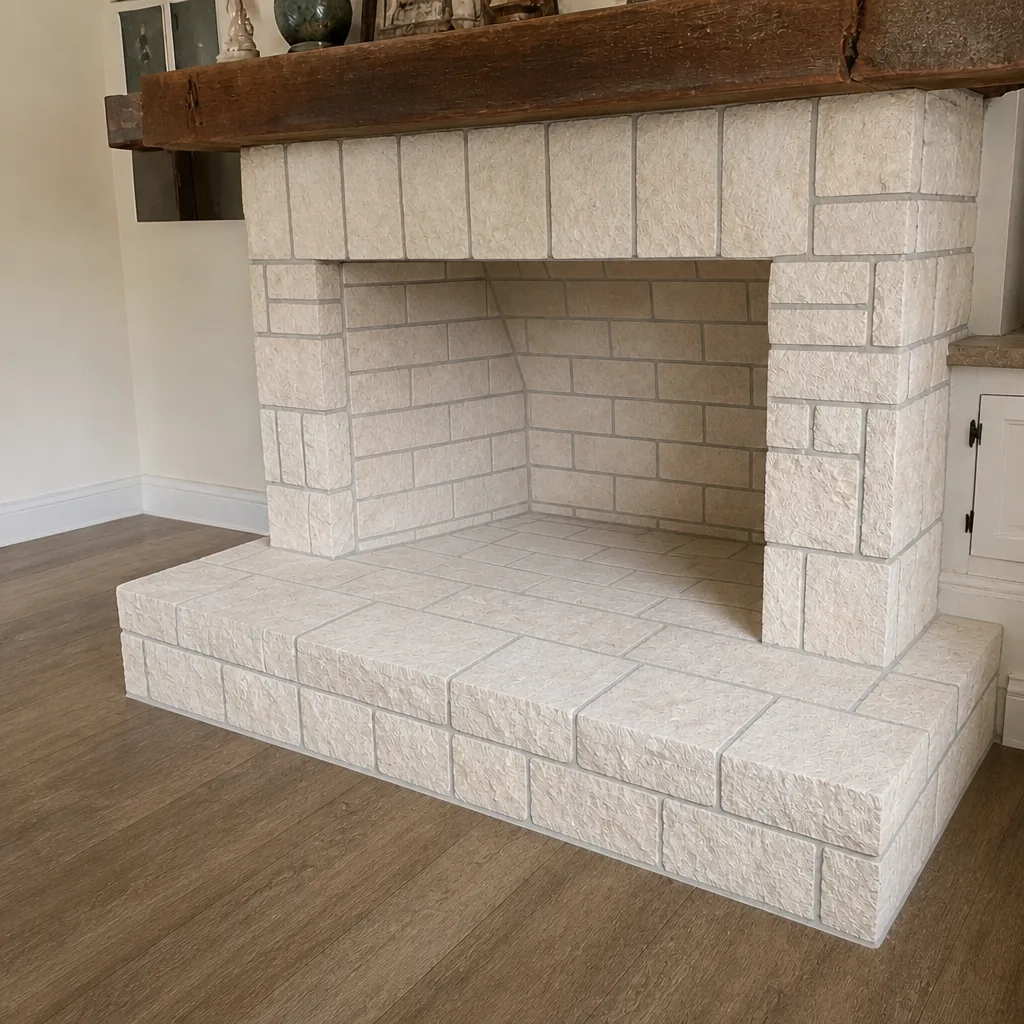 After
 Before
 After
 Before
 After
When to Call a Professional
Call a professional when you see smoke spilling into the room during a fire, when you smell smoke in the house on a day you didn’t burn, or when you notice white staining on the exterior masonry. Call when the fire draws differently than it used to, or when you hear a louder roar than normal from the flue. Call before the first fire in a new home if you don’t know the last sweep, and call before October if the cap is loose or missing. And call if you simply haven’t had the chimney inspected in a couple of years, whatever month it is. Costa Mesa Chimney Sweep Pros offers free estimates in Costa Mesa. Call (877) 792-5891. We answer 24/7. Fast dispatch from 7am to 7pm, Sunday through Friday.
Frequently Asked Questions
For most Costa Mesa homes, an annual sweep before the fall season covers it, with the exact timing set by how much you burn. Homes that light a fire most evenings through the season may benefit from a mid-season check, while occasional burners can sometimes go longer between sweeps if the inspection shows the flue is clean. A camera inspection is what tells you for sure. Call (877) 792-5891 for an exact quote – estimates are free.
Late September is the best month to book in Costa Mesa. It’s after the humid summer has done its work and before the Santa Ana wind season and the first fire, so any repair the inspection finds has time to be scheduled and completed. Booking in December usually means you’re already burning before the chimney has been checked. Call (877) 792-5891 for an exact quote – estimates are free.
For a Costa Mesa chimney, summer is the highest-moisture period because the marine layer keeps humid air around for extended stretches and the fire is idle. That damp air sits in the flue and works on mortar, metal, and the top of the chimney. Keeping the damper closed and cleaning out the firebox in spring are the two simplest things you can do about it. Call (877) 792-5891 for an exact quote – estimates are free.
Yes. Strong offshore wind changes the pressure at the top of the flue, which can reverse the draft and push smoke back into the room, and it carries embers farther than still air does. A properly fitted cap with a spark arrestor screen helps on both counts. If your cap is loose, rusted, or missing its screen, that’s the fix to prioritize before October. Call (877) 792-5891 for an exact quote – estimates are free.
Not always. A cracked flue can sometimes be restored with HeatShield resurfacing instead of a full reline, and a full replacement is only right when the flue damage is beyond resurfacing. You shouldn’t have to take that on faith: a camera inspection shows you the flue in photos before anyone recommends work. If the damage can safely wait, we’ll say so. Call (877) 792-5891 for an exact quote – estimates are free.
Skipping maintenance lets creosote build up and lets moisture damage worsen unnoticed through the humid season. Creosote buildup is a chimney fire risk, and a compromised flue can let smoke and gases into the home instead of venting them outside. The safest approach is a sweep and inspection before the burn season, then a spring check. Nothing here is meant to alarm you; it’s just easier to fix a small problem than a large one. Call (877) 792-5891 for an exact quote – estimates are free.
The Bottom Line
Costa Mesa’s mild climate hides chimney problems rather than preventing them. Without a hard season to force the issue, humid summers quietly work on mortar and metal while the idle chimney sits unnoticed. The fix is a calendar anchored to late September, when the humid season is behind you and the wind season is ahead. Add a spring cleanup, keep the damper closed through summer, and set inspection frequency by how many fires you actually burn. A cap that fits the flue and a camera inspection you can see for yourself are the two pieces of evidence that matter most. Everything else follows from those.
One company handles the sweep, spots the problem, and fixes it, using named industry brands like HeatShield, DuraFlex, Gelco, Olympia Chimney, and Famco, so you know what’s going into your chimney. Call Costa Mesa Chimney Sweep Pros at (877) 792-5891 for a free estimate. We answer 24/7. Fast dispatch from 7am to 7pm, Sunday through Friday.
Written by the team at Costa Mesa Chimney Sweep Pros.